
Baby Rattle
 This item is discontinued.
 Explore similar products from our collection.
-
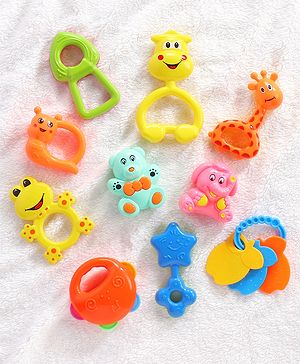
Babyhug BPA-Free Rattle & Teether 10 Pieces Set for Newborns & Infants| Safe & Food Grade|Easy Grip| Colorful & Lightweight| Rattles for Sensory Development|BIS Certified|(Colour may vary)
Regular price₹449.00Regular price ₹249.02Regular priceUnit price per₹449.00Sale price ₹249.02 45% OFFSale -
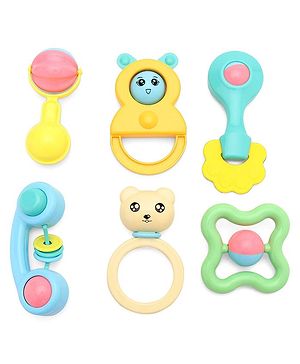
Babyhug Cute Animal Shaped Baby Rattle Set|Newborn Sensory Toys for Grasping|Visual Stimulation & Motor Skill Development|Bright Colors, Lightweight & Easy to Hold|3+Months|Ideal for Gifting|BIS|6Pcs
Regular price₹595.00Regular price ₹399.01Regular priceUnit price per₹595.00Sale price ₹399.01 33% OFFSale -
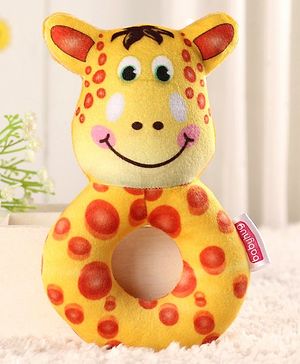
Babyhug Giraffe Face Rattle Toy for Babies| Easy-to-Hold Grip|Plush Rattle for Sensory Play|Motor Skills & Bonding|Lightweight & Travel Friendly |3+ Months|BIS|Yellow
Regular price₹225.00Regular price ₹159.01Regular priceUnit price per₹225.00Sale price ₹159.01 29% OFFSale -
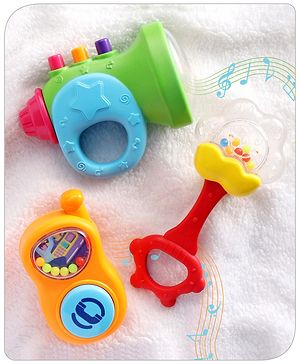
Babyhug Rattles Gift Set Pack of 3 |Easy to Grip|Gifting Toy| Child Safe Material| BIS Certified| 3 Months+
Regular price₹495.00Regular price ₹298.98Regular priceUnit price per₹495.00Sale price ₹298.98 40% OFFSale -
Babyhug Rattle Gift Set Pack of 3 - Multicolour | Trio of Vibrant Sensory Rattles | Boosts Auditory & Visual Development | Lightweight & Infant-Safe | BIS Certified
Regular price₹495.00Regular price ₹298.98Regular priceUnit price per₹495.00Sale price ₹298.98 40% OFFSale -
Babyhug Baby Rattles Pack of 2 | Bright Colors & Sounds|Promotes Motor Skills & Sensory Development|Fun & Engaging Toy|Safe, Non-Toxic|Improves Grasping Skill| Ideal Gift for 3+ Months | BIS Certified
Regular price₹299.00Regular price ₹179.01Regular priceUnit price per₹299.00Sale price ₹179.01 40% OFFSale -
Babyhug Premium Hippo Free Wheel Car Cum Green Rattle Toy| Fun, Flexible, and Soothing Rattle Toy for Kids|Gifting Toy| Child Safe Material| Improves Motor Skills| Early Development Toys for 3+ Years| Non-Toxic| BIS Certified
Regular price₹295.00Regular price ₹144.99Regular priceUnit price per₹295.00Sale price ₹144.99 51% OFFSale -
Babyhug Tummy Time Baby Toy for 4-15 months| Vibrant Color with 1 Mirror 2 Rattles and 2 Teethers| Sensory Play |Visual Stimulation| Cognitive Development and Motor Skills- White & Black
Regular price₹1,295.00Regular price ₹612.53Regular priceUnit price per₹1,295.00Sale price ₹612.53 53% OFFSale -
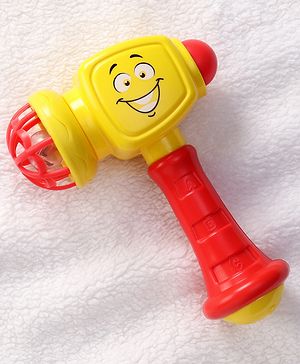
Babyhug Hammer Toy for Babies with Rattle Sound Yellow| ABS Plastic Baby Activity Toy| Improves Motor Skills & Sensory Development| Easy Grip Manual Hammer Toy| Toddler Gifting Option
Regular price₹245.00Regular price ₹198.99Regular priceUnit price per₹245.00Sale price ₹198.99 19% OFFSale -
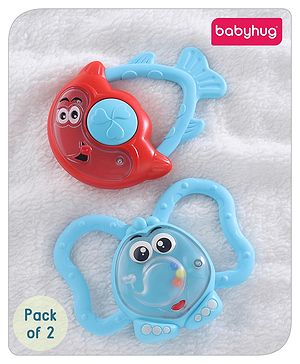
Babyhug Joy Rattle Set Pack of 2 - Blue and Red
Regular price₹325.00Regular price ₹169.00Regular priceUnit price per₹325.00Sale price ₹169.00 48% OFFSale -
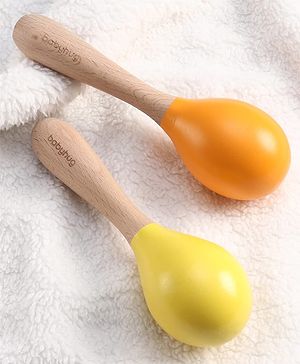
Babyhug Maracas Wooden Rattle Toy Set of 2 for Babies & Toddlers|Sensory Play|Fine Motor Skills & Brain Development|Multicolour|BIS Certified
Regular price₹795.00Regular price ₹407.04Regular priceUnit price per₹795.00Sale price ₹407.04 49% OFFSale -
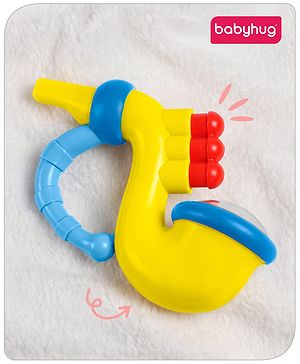
Babyhug Trumpet Shape Baby Rattle - Yellow & Blue
Regular price₹175.00Regular price ₹95.38Regular priceUnit price per₹175.00Sale price ₹95.38 45% OFFSale
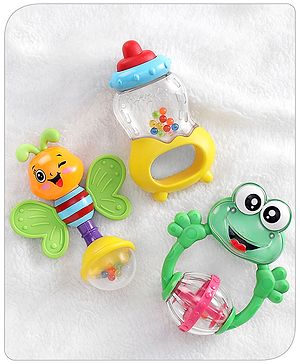
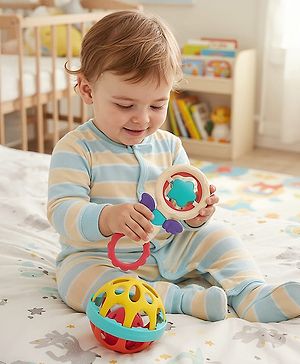
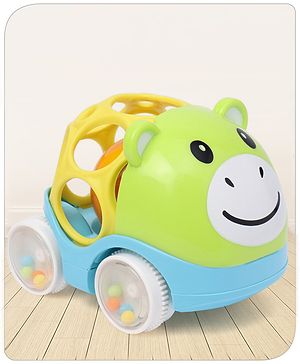
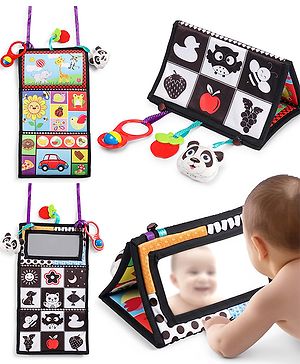
Delight Your Baby with Engaging Rattles
Baby rattles are more than playful toys—they are essential early-learning companions that support sensory, cognitive, and motor development from the very beginning. From soothing newborns to keeping curious toddlers engaged, rattles introduce babies to sound, movement, and texture in a safe and enjoyable way. They encourage interaction, exploration, and bonding during everyday play.
Available in a variety of designs, baby rattles grow with your child’s changing needs. From soft plush rattles to interactive options that also work as a rattle for kids, these toys help strengthen grip, coordination, and awareness. Choosing the right rattle ensures not just entertainment, but meaningful developmental support during early childhood.
Variety of Baby Rattles
Traditional Rattles
Traditional rattles create gentle sounds when shaken, helping babies understand cause and effect. Their lightweight and simple structure makes them easy to hold and explore. These rattles encourage repeated hand movement, supporting early motor skill development. They are often chosen as a baby’s first toy due to their simplicity and safety.
Teething Rattles
Teething rattles combine soothing chewing surfaces with sound-based stimulation. Soft, textured areas help relieve gum discomfort while keeping babies engaged. Babies enjoy biting and shaking them during teething periods. These rattles offer both comfort and play in a single toy.
Soft Rattles
Soft rattles are crafted from plush or fabric materials that feel gentle on delicate skin. They produce muted sounds that are calming rather than overstimulating. Many designs can be attached to cribs, strollers, or car seats. These rattles often double as comfort toys during rest times.
Activity Rattles
Activity rattles include mirrors, textures, crinkles, or lights that stimulate multiple senses. Babies stay engaged longer as they explore different responses. These rattles support curiosity, attention span, and sensory awareness. They are ideal for interactive play sessions.
Wrist and Foot Rattles
Wrist and foot rattles move with the baby’s hands and legs, producing sound during movement. They help babies recognise their own body movements. These rattles encourage stretching, kicking, and coordination. Ideal for tummy time and early physical activity.
Features of Baby Rattles
Material
Baby rattles should be made from non-toxic, BPA-free materials for complete safety. Silicone, soft plastic, and organic fabrics are commonly used. These materials are safe for chewing and easy to clean. High-quality materials ensure durability and hygiene.
Sound
Rattles should produce gentle, pleasant sounds that do not startle babies. Soft tones support early auditory development. Some rattles offer varied sound patterns for engagement. Balanced sound levels help maintain calm playtime.
Design
Easy-to-grip handles and lightweight designs support independent play. Bright colours and engaging shapes attract attention. Ergonomic construction prevents strain on tiny hands. Good design encourages repeated interaction.
Durability
Rattles must withstand frequent dropping, shaking, and chewing. Strong joints and sealed edges prevent damage. Durable construction ensures long-term safety. Sturdy rattles suit active play.
Multi-functionality
Multi-functional rattles combine sound, texture, and teething features. These designs keep babies engaged longer. One toy supports multiple developmental needs. Parents benefit from added value and extended usability.
Benefits of Baby Rattles
Sensory Development
Baby rattles stimulate sight, sound, and touch through colours, textures, and movement. This multi-sensory engagement helps babies process their surroundings. Repeated exposure strengthens sensory awareness. Early sensory play supports overall brain development.
Motor Skill Improvement
Grasping, shaking, and reaching for rattles strengthens fine motor skills. Babies develop better hand-eye coordination through repeated interaction. Wrist and foot rattles encourage full-body movement. These actions prepare babies for crawling and walking.
Cognitive Growth
Rattles help babies understand cause and effect. When shaking creates sound, babies learn that actions produce outcomes. This builds early problem-solving skills. Cognitive curiosity grows naturally through play.
Emotional Comfort
Familiar rattles provide reassurance during fussy moments. Gentle sounds and textures help calm babies. Rattles can become comfort objects over time. Emotional security supports better sleep and mood.
Encourages Active Play
Movement-based rattles motivate babies to kick, stretch, and reach. Active play supports muscle development. Babies stay engaged longer. Physical activity becomes enjoyable and natural.
Buying Considerations
Safety Standards
Always choose rattles that meet recognised safety standards. Avoid toys with small detachable parts or sharp edges. Secure construction prevents choking risks. Safety-certified products ensure peace of mind.
Age Appropriateness
Select rattles suitable for your baby’s age and abilities. Younger babies need simpler, softer designs. Older babies benefit from interactive features. Age-appropriate toys provide the right level of stimulation.
Ease of Cleaning
Babies often mouth their toys, so hygiene is essential. Choose rattles that are easy to wipe or wash. Dishwasher-safe options add convenience. Clean toys reduce exposure to germs.
Build Quality
Well-constructed rattles last longer and remain safe over time. Strong materials resist breakage. Quality construction supports active use. Durable toys offer better value.
Versatility
Versatile rattles offer multiple uses, such as teething and sensory play. These toys adapt as babies grow. Parents get more value from fewer toys. Versatility supports longer engagement.
Age Specifications
0–3 Months
Babies respond best to soft rattles with gentle sounds and lightweight designs. High-contrast colours support early visual focus. Rattles are often parent-guided for sensory awareness.
3–6 Months
Babies actively reach, grasp, and mouth toys. Textured and teething rattles support grip strength and soothe gums. Easy-to-hold designs encourage longer play.
6–12 Months
Babies enjoy rattles with mirrors, textures, and sound variations. Activity rattles support coordination and exploration. Movement-based rattles encourage crawling and interaction.
12 Months & Above
Rattles become more interactive and movement-driven. At this age, many designs also function as a rattle for kids, supporting imaginative play. Durability becomes essential.
FAQs asked by parents around Baby Rattles
Are baby rattles safe for newborns?
Yes, when made from non-toxic materials and designed for newborn use.
How should baby rattles be cleaned?
Most can be wiped with mild soap and water; follow care instructions.
Which material is best for baby rattles?
BPA-free plastic, silicone, and organic fabric are safest.
Do rattles help with teething?
Yes, textured rattles soothe sore gums.
When can babies start using rattles?
Soft rattles can be used from birth.
Do baby rattles support development?
Yes, they support sensory, motor, and cognitive growth.
Are activity rattles suitable for young babies?
They are best once babies can explore features safely.
How many rattles does a baby need?
One or two initially, with variety added gradually.
Do rattles need batteries?
Most do not; some activity rattles may.
Can rattles be used beyond infancy?
Yes, many continue to work as a rattle for kids into toddlerhood.