
Breast Pumps
 This item is discontinued.
 Explore similar products from our collection.
-
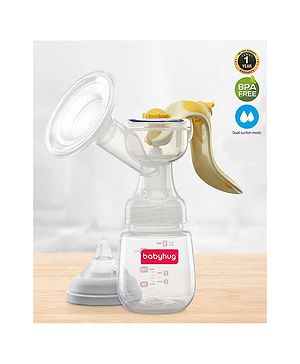
Babyhug Manual Breast Pump with Adjustable Suction & Massage Mode - Yellow| Single Hand Operation| Rotating Handle| Storage Cap
Regular price₹1,145.00Regular price ₹778.60Regular priceUnit price per₹1,145.00Sale price ₹778.60 32% OFFSale -
Babyhug Premium Silicone Manual Breast Pump - White
Regular price₹445.00Regular price ₹155.75Regular priceUnit price per₹445.00Sale price ₹155.75 65% OFFSale -
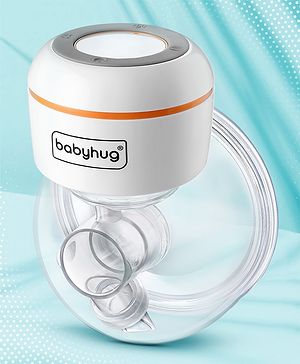
Babyhug Hands-Free Smart Wearable Electric Breast Pump White| 4 Modes & 12 Levels| Quiet & Discreet| Rechargeable Battery| LED Display| Type C Charging| Anti Overflow| Personalized Pumping
Regular price₹3,595.00Regular price ₹2,372.70Regular priceUnit price per₹3,595.00Sale price ₹2,372.70 34% OFFSale -
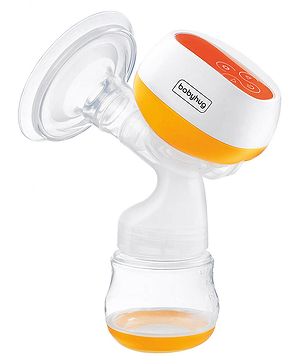
Babyhug Portable 2 in 1 Electric & Manual Breast Pump| Last Used Memory| 2 Modes| 9 Levels Each| Rechargeable & Direct Power| Anti Back Flow| Digital LED Touch| Thermosensitive Base
Regular price₹4,795.00Regular price ₹2,972.90Regular priceUnit price per₹4,795.00Sale price ₹2,972.90 38% OFFSale

Breast Pumps for Comfortable Milk Expression & Convenient Feeding
Breast pumps are essential breastfeeding tools designed to help mothers express and store breast milk conveniently. A breast pump allows mothers to collect milk for feeding babies later, which can be especially helpful for working mothers, travel, or times when direct breastfeeding is not possible. Many parents choose a breast milk pump to ensure their babies continue receiving breast milk even when the mother is away.
Modern breast pumps are designed to be comfortable, efficient, and easy to use. From manual breast pumps to electric breast pumps, these devices are created to support different breastfeeding needs and lifestyles. Breast pumps often include soft silicone cushions, adjustable suction levels, and easy-to-clean components that make milk expression more comfortable for mothers.
Using a breast pump helps maintain milk supply while allowing flexibility in feeding routines. With proper use and hygiene, breast pumps can support breastfeeding journeys and help parents manage feeding schedules more easily.
Types of Breast Pumps
Manual Breast Pumps
Manual breast pumps are operated by hand and allow mothers to control suction using a handle or lever. These pumps are lightweight and portable, making them suitable for occasional pumping. Many mothers prefer manual milk pumps for travel or short pumping sessions because they are simple to use and do not require electricity or batteries.
Electric Breast Pumps
Electric breast pumps use motorised suction to express breast milk automatically. These pumps are designed for frequent pumping and often include adjustable suction levels and faster milk expression. Electric breast pumps are commonly used by working mothers who pump regularly throughout the day.
Single Breast Pumps
Single breast pumps allow milk expression from one breast at a time. These pumps are suitable for mothers who pump occasionally or prefer a simple pumping routine. Single pumps are often compact and easy to carry during travel or outings.
Double Breast Pumps
Double breast pumps allow mothers to express milk from both breasts at the same time. This design helps reduce pumping time and improve milk collection efficiency. Many mothers prefer double electric breast pumps because they save time and support consistent pumping schedules.
Wearable Breast Pumps
Wearable breast pumps are designed to fit inside a nursing bra, allowing mothers to pump hands-free. These pumps provide convenience and mobility during milk expression. Wearable pumps are becoming increasingly popular among mothers who need flexibility while pumping.
Benefits of Using Breast Pumps
Supports Breastfeeding Flexibility
Breast pumps allow mothers to express milk and store it for later use. This flexibility helps parents manage feeding routines even when the mother is not available for direct breastfeeding.
Helps Maintain Milk Supply
Regular pumping helps stimulate milk production and maintain a steady milk supply. This is especially useful when babies are not feeding directly from the breast.
Convenient for Working Mothers
Many mothers use breast pumps at work to express milk during the day. Pumped milk can then be stored for later feeding.
Allows Shared Feeding Responsibility
Expressed breast milk can be fed to babies by other caregivers using feeding bottles. This allows partners or family members to assist with feeding.
Useful During Travel or Separation
Breast pumps are useful during travel, medical recovery, or temporary separation from the baby.
Key Features to Look for in a Breast Pump
Comfortable Breast Shields
Soft breast shields or cushions help improve comfort during pumping sessions.
Adjustable Suction Levels
Adjustable suction settings allow mothers to control the intensity of milk expression.
Quiet Operation
Many electric breast pumps are designed with quiet motors to ensure discreet pumping.
Portable Design
Compact and lightweight pumps are easier to carry during travel or work.
Easy Cleaning Components
Removable parts make it easier to clean and sterilise the pump after use.
Materials Used in Breast Pumps
BPA-Free Plastic Components
Most breast pumps use BPA-free plastic materials to ensure safe milk collection and storage.
Silicone Cushions
Soft silicone cushions are used in breast shields to improve comfort during pumping.
Food-Grade Storage Bottles
Breast pumps often include bottles made from food-grade materials suitable for storing breast milk.
Buying Considerations for Breast Pumps
Frequency of Use
Mothers who pump occasionally may prefer manual breast pumps, while frequent pumping may require electric breast pumps.
Comfort and Fit
Choosing the correct breast shield size improves comfort and efficiency during pumping.
Portability
Portable pumps are convenient for travel, work, or outdoor use.
Noise Level
Quiet pumps are more comfortable for discreet pumping in shared environments.
Ease of Cleaning
Breast pumps with fewer parts are usually easier to clean and maintain.
Breast Pumps by Usage Type
Occasional Pumping
Manual breast pumps are often suitable for occasional milk expression or travel.
Daily Pumping
Electric breast pumps are commonly used for regular pumping routines.
Frequent Pumping
Double electric breast pumps are ideal for mothers who pump multiple times a day.
Breast Pumps for Convenient Baby Feeding
Breast pumps help mothers maintain breastfeeding while managing busy schedules. Whether used at home, work, or during travel, a breast milk pump provides flexibility and convenience for feeding babies.
Many parents consider breast pumps an important part of breastfeeding support because they allow mothers to store milk and ensure babies continue receiving breast milk even when direct feeding is not possible.
With proper cleaning and regular use, breast pumps can help make breastfeeding more convenient and manageable for many families.
FAQs Asked by Parents Around Breast Pumps
What is a breast pump used for?
A breast pump is used to express breast milk so it can be stored and fed to the baby later. Many mothers use a breast milk pump when direct breastfeeding is not possible.
When should I start using a breast pump after birth?
Many mothers begin using a breast pump a few weeks after birth once breastfeeding is well established, unless advised otherwise by a healthcare professional.
How often should I pump breast milk?
The frequency of pumping depends on the baby’s feeding routine. Many mothers pump every 2–3 hours to maintain milk supply.
Which breast pump is better, manual or electric?
Manual breast pumps are suitable for occasional use, while electric breast pumps are generally preferred for regular or frequent pumping.
Is pumping breast milk as good as breastfeeding?
Pumped breast milk still provides important nutrients for the baby. However, direct breastfeeding may help maintain stronger bonding and milk supply.
How long should a pumping session last?
Most pumping sessions last around 15–20 minutes, depending on milk flow and comfort level.
Can pumping increase breast milk supply?
Yes, regular pumping can stimulate milk production and help maintain or increase milk supply.
Is a double breast pump better than a single pump?
Double breast pumps allow milk expression from both breasts at the same time, which can reduce pumping time and improve efficiency.
How do I choose the right breast pump?
Choosing the right breast pump depends on factors such as frequency of use, comfort, portability, and whether you prefer manual or electric pumping.
Can I use a breast pump every day?
Yes, many mothers use breast pumps daily to maintain milk supply or store milk for later feeding.
How do I clean a breast pump properly?
Breast pump parts should be washed with warm soapy water and sterilised regularly to maintain hygiene.
Can breast pumps cause pain?
Breast pumps should not cause pain when used correctly. Adjusting suction levels and choosing the correct breast shield size can improve comfort.
How long can pumped breast milk be stored?
Breast milk can be stored in the refrigerator or freezer depending on storage guidelines and proper containers.
Is it safe to pump breast milk at work?
Yes, many working mothers use breast pumps during work hours to maintain milk supply and store milk for their babies.
What is the difference between single and double breast pumps?
Single breast pumps express milk from one breast at a time, while double breast pumps allow pumping from both breasts simultaneously.
Do wearable breast pumps work well?
Wearable breast pumps provide hands-free convenience and are useful for mothers who want mobility while pumping.
Can breast pumps help relieve engorgement?
Yes, pumping can help relieve breast engorgement by removing excess milk and reducing pressure.
How do I know the correct breast shield size?
The correct breast shield size should fit comfortably around the nipple without causing friction or discomfort.
Can pumping replace breastfeeding completely?
Some mothers exclusively pump and feed expressed milk to their babies. However, many use pumping as a supplement to breastfeeding.
How long should I use a breast pump each day?
The duration depends on the baby’s feeding schedule and milk supply needs.
Are electric breast pumps noisy?
Many modern electric breast pumps are designed to operate quietly for discreet use at home or work.
Do breast pumps help working mothers continue breastfeeding?
Yes, breast pumps allow mothers to express and store milk so babies can continue receiving breast milk even when the mother is away.
Is it normal to get less milk while pumping?
Some mothers may produce less milk when pumping compared to direct breastfeeding, which is normal.
How many breast pumps do I need?
Most mothers use one breast pump but may keep extra accessories or storage bottles for convenience.
When should I replace breast pump parts?
Breast pump parts such as valves, membranes, and tubing should be replaced periodically according to manufacturer guidelines.