
Electric Socket Covers
 This item is discontinued.
 Explore similar products from our collection.
-
Babyhug Safety Electric Socket Plug Cover Guards - Pack of 5
Regular price₹155.00Regular price ₹103.85Regular priceUnit price per₹155.00Sale price ₹103.85 33% OFFSale -
Babyhug 2 Pin Plug Protector Set Of 6 With Locking Key - White
Regular price₹165.00Regular price ₹94.05Regular priceUnit price per₹165.00Sale price ₹94.05 43% OFFSale -
Babyhug Electric Cord Shortener Pack Of 2 - White
Regular price₹195.00Regular price ₹72.15Regular priceUnit price per₹195.00Sale price ₹72.15 63% OFFSale
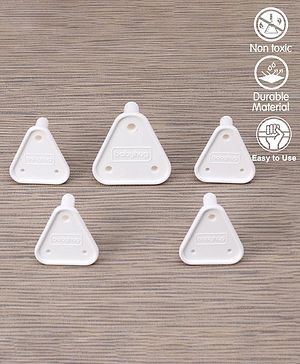
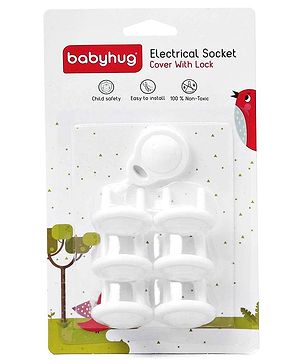
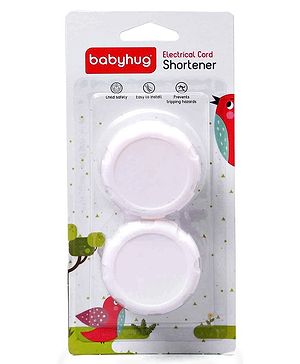
Babyhug Electric Socket Covers for Babies & Toddlers
As babies become mobile, electrical sockets can quickly become accessible to curious little hands. An uncovered outlet may tempt a child to insert fingers or objects, creating a serious electric shock risk. Babyproofing accessible sockets is therefore an important part of creating a safer home environment.
The Babyhug Electric Socket Covers collection includes childproofing solutions designed to help block access to unused electrical outlets. Options are available for compatible Indian household sockets, with designs that use a secure fitting approach and, in some cases, a locking mechanism to make removal more difficult for young children.
When choosing an electric socket cover, parents should look beyond appearance and check whether the protector is suitable for the socket type, fitting mechanism and intended use.
Why Do Babies Need Electric Socket Covers?
Electrical outlets are often positioned low on walls, making them easy for crawling babies and toddlers to reach. Children may naturally touch, explore or try to insert objects into openings they encounter around the home.
A suitable socket cover helps block access to an unused outlet and adds an additional layer of protection against accidental contact with electrical points.
Socket protection can be especially important in:
- Living rooms
- Bedrooms
- Play areas
- Nursery rooms
- Hallways
- Home offices
- Areas where babies crawl or play close to walls
Socket covers should form part of a broader childproofing routine and should not be considered a replacement for supervision or proper electrical maintenance.
How Do Electric Socket Covers Help Reduce Electric Shock Risk?
An accessible electrical outlet can become dangerous when a child inserts a finger, toy or another object into the socket.
A properly fitted socket cover acts as a physical barrier over an unused outlet, making the electrical openings less accessible to a young child.
The level of protection depends on whether the cover:
- Fits the socket correctly
- Remains securely positioned
- Is difficult for a child to remove
- Is made from an appropriate insulating material
- Is intended for that particular socket configuration
For this reason, socket compatibility is one of the first things parents should check before buying.
Which Electrical Sockets Are Compatible With Babyhug Socket Covers?
Not all electrical outlets have the same configuration. Socket size, pin arrangement and design can vary between homes.
The Babyhug safety socket cover information specifies compatibility with Indian household electrical sockets, making socket configuration an important consideration before installation.
Parents should check the individual product specifications for the intended socket type rather than assuming that one cover will fit every outlet.
Before buying, check:
- Socket configuration
- Number and arrangement of openings
- Socket size
- Product compatibility information
- Whether the cover fits securely after insertion
A cover that does not fit correctly may not provide the intended barrier.
What Makes a Good Baby Socket Cover?
A useful socket protector should combine a suitable fit with a child-resistant design.
Secure Fit
The cover should sit firmly inside the compatible unused socket rather than being loose or easily dislodged.
Child-Resistant Removal
Some designs use a locking or removal mechanism that makes the cover harder for young children to pull out.
Suitable Material
The material should be appropriate for use around electrical outlets and provide a physical barrier without compromising the intended socket protection.
Simple Adult Access
Parents should be able to remove the cover when the socket needs to be used, while the design remains difficult for a young child to manipulate.
Socket Cover With Locking Mechanism vs Push-In Cover
Different designs can suit different household requirements.
A push-in socket cover is inserted into an unused compatible outlet to block access. This type can be convenient when parents want a straightforward solution for accessible sockets.
A locking-key design adds a specific removal mechanism, allowing adults to remove the protector when required while making unauthorised removal more difficult for children.
The Babyhug collection includes both types of approaches, so parents can choose according to the socket and the level of access control required.
Why Does the Material of a Socket Cover Matter?
Material is an important consideration because the protector is used around an electrical outlet and needs to function as a physical barrier.
The Babyhug socket cover product information describes the cover as non-toxic and durable, while the individual product specifications should be checked for the exact material and construction.
Parents should avoid using improvised objects or household materials as substitutes for a purpose-designed socket protector.
How to Install an Electric Socket Cover Safely
Installation should always follow the instructions supplied with the individual product.
- Check that the outlet matches the product's specified socket configuration.
- Make sure the socket is not damaged or loose.
- Position the protector correctly over the outlet.
- Insert or secure it according to the product instructions.
- Check that it sits firmly and cannot be easily pulled out.
- For locking designs, ensure the locking mechanism is properly engaged.
- Inspect the cover periodically for damage or loosening.
Never force a protector into a socket that it does not fit.
When Should Parents Start Using Socket Covers?
Socket protection becomes particularly relevant once babies begin crawling, sitting independently, pulling up and exploring their surroundings.
Rather than relying only on age, parents should assess accessibility. If a child can reach an electrical outlet, it is worth reviewing whether the outlet needs additional protection.
Babyhug's collection currently includes products associated with different age filters, including early infancy and toddler stages, but the appropriate use should ultimately be determined by the individual product's specifications and the child's ability to access the outlet.
Which Sockets Should Parents Childproof First?
You do not necessarily need to approach every outlet in the same way. Start with sockets that are:
- Close to the floor
- Located in the baby's play area
- Along crawling routes
- Near the nursery
- Behind or beside low furniture
- Easily reachable from the floor
- Located where children spend unsupervised moments
As your child's mobility changes, reassess outlets that were previously out of reach.
Can You Use Socket Covers on a Socket That Is Being Used?
Parents should follow the individual product's intended application and never improvise around an outlet that is actively being used.
A socket protector designed for an unused outlet should not be treated as a device for covering an active electrical connection.
If you need to protect a socket that is regularly in use, consider the appropriate childproofing solution for that specific outlet configuration and follow the manufacturer's instructions.
Electric Socket Safety Beyond Socket Covers
Socket covers address one specific electrical hazard, but they cannot make the entire electrical environment child-safe.
Parents should also:
- Keep electrical cords away from crawling areas.
- Avoid leaving loose chargers within a child's reach.
- Replace damaged wires or plugs.
- Keep electrical appliances away from water.
- Do not allow children to play with switches, plugs or adapters.
- Arrange furniture carefully so children cannot easily access hazardous electrical equipment.
- Have damaged sockets inspected by a qualified professional.
A socket cover should be viewed as one layer of electrical childproofing, not a substitute for safe electrical practices.
What If a Socket Cover Becomes Loose?
Do not continue using a loose or damaged protector.
Remove it safely and check whether the socket and cover are still suitable for use. If the protector no longer fits firmly, shows signs of damage or can be removed easily, replace it with an appropriate product.
Parents should also check for cracks, deformation or other visible changes over time.
Babyhug Electric Socket Covers: What Should Parents Check Before Buying?
The most important purchase decision is compatibility first, convenience second.
Socket Compatibility
Confirm that the protector is intended for the type and configuration of socket installed in your home.
Locking Mechanism
If your child is particularly curious or already attempts to remove safety accessories, a design with a dedicated removal or locking mechanism may provide an additional barrier.
Material
Check the individual product specifications for material information and suitability for electrical outlet protection.
Fit
A secure fit is essential. A protector that sits loosely may not provide reliable coverage.
Ease of Adult Removal
Parents should be able to access the outlet when necessary without compromising the protector's child-resistant function.
Electric Socket Cover Safety Checklist
Before installing a socket protector, ask:
- Does it fit my socket?
- Is it designed for an unused outlet?
- Does it remain firmly positioned?
- Is the removal mechanism appropriate for my child's age and ability?
- Is the material specified by the manufacturer?
- Is the socket itself in good condition?
- Does the protector show any cracks or damage?
This simple check can help parents avoid choosing a protector that is incompatible with their electrical outlets.
Are Babyhug Electric Socket Covers Safe?
Socket covers can provide an additional barrier against access to unused electrical outlets when they are compatible with the socket and correctly installed.
However, no childproofing product should be treated as a complete guarantee against electric shock. Regular inspection, safe electrical practices and supervision remain important.
Always follow the individual product's instructions and compatibility information.
Safety & Certification Considerations
For electrical child-safety products, parents should check the individual product's specifications, applicable safety information and any certification or testing details provided by the manufacturer.
Certification should not be assumed across an entire collection unless it is explicitly stated for the relevant products. For socket covers, correct socket compatibility, secure fitting, locking or removal mechanism and suitable material are also important parts of safe use.
If certification or compliance information is provided on an individual product page or packaging, it should be verified there before making a purchase.
Common Mistakes Parents Make When Using Socket Covers
Choosing Without Checking Socket Compatibility
A protector designed for one socket configuration may not fit another correctly.
Using an Improvised Cover
Tape, paper, cardboard or household objects are not substitutes for a purpose-designed electrical socket protector.
Forcing a Poorly Fitting Protector
If the product does not fit naturally according to its instructions, do not force it into the outlet.
Forgetting About Other Electrical Hazards
Protecting the socket does not make loose cords, chargers, damaged wires or accessible appliances safe.
Not Rechecking the Protector
Children become stronger and more curious as they grow. Inspect the protector periodically to ensure it remains secure.
Quick Guide to Choosing Electric Socket Covers
| What to Check | Why It Matters |
|---|---|
| Socket compatibility | Ensures the protector is intended for the outlet configuration |
| Locking mechanism | Can make removal more difficult for young children |
| Material | Helps determine suitability and durability |
| Fit | A secure fit helps maintain the protective barrier |
| Installation | Correct fitting is essential for intended use |
| Product instructions | Clarifies limitations and appropriate application |
FAQs About Electric Socket Covers for Babies
Why are electric socket covers important for babies?
They help block access to unused electrical outlets and can reduce the risk of accidental contact with electrical points.
Do socket covers prevent electric shock?
They can reduce access to unused outlets when correctly fitted, but they cannot eliminate every electrical hazard or guarantee complete protection.
How do I know if a socket cover will fit my outlet?
Check the socket configuration and the product's compatibility information before installation. The Babyhug range includes products designed for compatible Indian household sockets.
What should I look for in a baby socket cover?
Check socket compatibility, secure fitting, the removal or locking mechanism and material specifications before buying.
Are locking socket covers better for toddlers?
A locking mechanism can make removal more difficult for a child who is able to pull or manipulate a simple push-in cover. The appropriate choice depends on the socket and product design.
Can socket covers be used on every electrical outlet?
No. Socket configurations differ, so always check the specific product's intended socket type and fitting requirements.
When should I start using socket covers?
Consider socket protection once your baby becomes mobile and can reach electrical outlets, particularly during crawling and early walking stages.
Can I cover a socket while it is being used?
Only use a product according to its intended application. A protector designed for an unused outlet should not be improvised for use over an active electrical connection.
How often should socket covers be checked?
Inspect them periodically for looseness, cracks, deformation or other damage, and replace them if they no longer remain securely fitted.
Are socket covers enough to childproof a room?
No. Electrical cords, chargers, appliances, switches and damaged wiring can also create hazards and should be addressed separately.