
Baby Bathers
 This item is discontinued.
 Explore similar products from our collection.
-
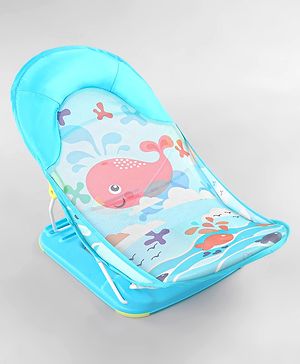
Babyhug Anti Slip Baby Bather with Aqua Print- Blue
Regular price₹1,695.00Regular price ₹1,033.95Regular priceUnit price per₹1,695.00Sale price ₹1,033.95 39% OFFSale -
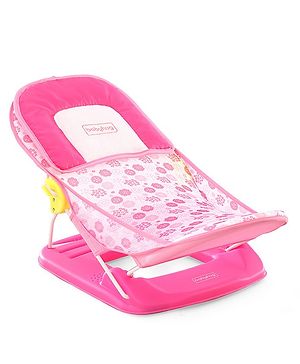
Babyhug Bubble Joy Bather Floral Print - Pink
Regular price₹1,495.00Regular price ₹1,375.40Regular priceUnit price per₹1,495.00Sale price ₹1,375.40 8% OFFSale -
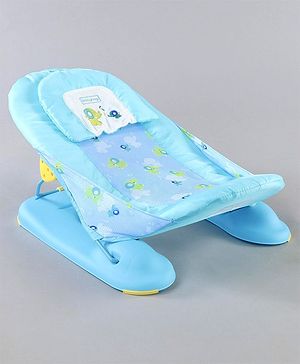
Babyhug Deluxe XL Baby Bather Animal Print - Blue
Regular price₹3,995.00Regular price ₹2,516.85Regular priceUnit price per₹3,995.00Sale price ₹2,516.85 37% OFFSale -
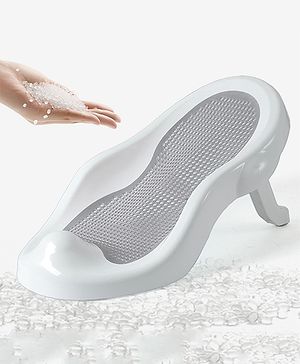
Babyhug Baby Bather with Soft Mesh Seat - Grey| Ergonomic Bath Support for Infants| Non-Slip Stable Design for Safe & Comfortable Bathing| Lightweight & Easy to Clean| New Born Gifting Option
Regular price₹995.00Regular price ₹716.40Regular priceUnit price per₹995.00Sale price ₹716.40 28% OFFSale -
Babyhug Anti Slip Baby Bather Small with Animal Print- Orange
Regular price₹1,695.00Regular price ₹1,559.40Regular priceUnit price per₹1,695.00Sale price ₹1,559.40 8% OFFSale
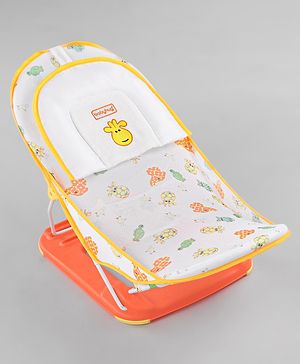
Babyhug Baby Bathers for Newborns & Infants
Bath time can be a special part of a baby's daily routine, but young babies need careful support because they cannot sit or balance independently for long. A baby bather provides a supported position during bathing, helping parents handle their baby more comfortably while keeping both hands available for washing and rinsing.
The Babyhug Baby Bathers collection includes options designed for different stages of early infancy, including supportive bather seats, soft mesh seating and anti-slip designs. The collection is primarily suited to babies from the newborn stage through the first year, with product-specific age suitability varying by design.
When choosing a baby bather, parents should consider more than cushioning or appearance. Age suitability, weight limits, stability, anti-slip features and the manufacturer's bathing instructions are important when selecting the right support for a baby.
Why Use a Baby Bather During Bath Time?
Newborns and young infants have limited head, neck and trunk control, making unsupported bathing difficult. A baby bather can provide a shaped surface that helps support the baby's body while a parent handles bath-time essentials.
Baby bathers can help with:
- Supporting the baby in a reclined bathing position
- Making bathing easier for parents
- Providing a stable surface during supervised washing
- Reducing the need to hold the baby's entire body throughout the bath
- Making newborn bathing more manageable
A bather is a bathing aid, not a safety device that makes a baby independent in water. An adult should remain within immediate reach throughout the bath.
What Are the Different Types of Baby Bathers?
The Babyhug range includes several designs that differ in their seating construction, support and portability.
Soft Mesh Baby Bathers
Soft mesh seating can provide a supportive surface while allowing water to pass through during bathing. These designs can be useful for parents looking for lightweight and easy-to-clean bathing support.
Anti-Slip Baby Bathers
Anti-slip designs are intended to provide additional stability during bathing by helping the bather stay positioned on a suitable bathing surface. Babyhug's current collection includes products specifically listed with an anti-slip base.
Compact Baby Bathers
Smaller bather designs can be useful when parents have limited bathroom space or want a bathing support that is easier to move and store.
Larger Bather Designs
Larger designs can provide more room for babies as they grow, subject to the individual product's age and weight recommendations.
How Do Baby Bathers Help With Infant Bathing?
A bather creates a supported position that can make routine washing easier, particularly during the early months when babies have limited independent sitting ability.
It can help parents:
- Position the baby comfortably for washing
- Keep bath essentials within reach
- Reduce awkward lifting during bathing
- Maintain a more consistent bathing position
- Handle newborn bathing with greater convenience
However, a supported position does not mean the baby can be left unattended. Babies can slip, shift position or move unexpectedly even in a bather.
Baby Bather Safety: Why Drowning Prevention Matters
The most important safety consideration during bathing is drowning prevention.
Babies can drown in very little water and can do so quickly and quietly. A bather should therefore never be treated as a substitute for an adult's hands-on supervision.
During every bath:
- Stay within arm's reach of your baby.
- Keep your attention on the baby rather than your phone or other tasks.
- Prepare soap, towel, clothes and other essentials before starting.
- Never leave the baby alone in or near water.
- Do not rely on a bather to prevent drowning.
- Empty the bathing area immediately after use.
If you need to leave the bathing area, take the baby with you.
Can a Baby Fall From a Bather?
Yes. A bather can reduce the need to hold the baby continuously, but it does not eliminate the risk of slipping, shifting or falling.
Falls can occur if:
- The bather is placed incorrectly
- The surface is slippery
- The baby exceeds the recommended age or weight
- The baby has become more mobile
- The bather is used on an unsuitable surface
- The product is damaged or unstable
As babies develop greater movement and begin trying to sit, turn or push themselves up, parents should reassess whether the bather remains appropriate.
Why Is an Anti-Slip Base Important?
An anti-slip base can help improve the stability of a bather on a suitable bathing surface by reducing unwanted movement.
Babyhug's collection specifically includes bather options listed with an anti-slip base, making this a useful feature for parents comparing bathing supports.
However, an anti-slip feature does not mean the bather cannot move. Parents should always:
- Place it on the recommended surface.
- Follow the manufacturer's fitting instructions.
- Check that it remains stable before placing the baby inside.
- Stop using it if the base becomes damaged or loses grip.
What Age Is a Baby Bather Suitable For?
Age suitability varies by product and should always be checked before use.
The Babyhug Baby Bathers collection currently includes products filtered for 0–3, 3–6, 6–9 and 9–12 months, while limited options extend into older age ranges.
Parents should not choose a bather based on age alone. Consider the baby's:
- Developmental stage
- Weight
- Head and body control
- Mobility
- Ability to sit or push themselves up
- Product-specific usage instructions
If your baby has outgrown the recommended stage or weight limit, discontinue use even if the bather still physically fits.
Why Does Weight Capacity Matter?
A baby bather is designed for a particular range of users. Exceeding its specified weight capacity can affect how the product supports the baby and how stable it remains during use.
Before purchasing, check:
Maximum recommended weight: Does it accommodate your baby's current weight?
Expected growth: Will the product remain appropriate for the intended period of use?
Product instructions: Does the manufacturer specify a point at which use should stop?
Never estimate the safe weight limit based only on the product's size or appearance.
What Should Parents Look for in a Baby Bather?
The right bather should match the baby's developmental stage and the parent's bathing routine.
Age & Weight Suitability
Choose a product that specifically accommodates your baby's current age and weight.
Stable Construction
The bather should remain stable when placed on the recommended bathing surface.
Anti-Slip Support
An anti-slip base can help reduce unwanted movement when used correctly on a compatible surface.
Comfortable Support
A supportive seat or mesh surface can make bathing more comfortable while helping maintain the intended position.
Easy-Clean Construction
Bathing products should be easy to clean and dry thoroughly between uses to support good hygiene.
Do Baby Bathers Need a Restraint?
Not every baby bather uses the same restraint system, so parents should check the individual product specifications rather than assuming that a restraint is included.
If a product includes a restraint, it should be used exactly as instructed and should never create a false sense of security.
A restraint cannot replace supervision. Even when a baby is secured, an adult should remain within immediate reach throughout bathing.
How Should a Baby Bather Be Used Safely?
Before placing your baby in the bather, check the setup rather than assuming it is ready for use.
- Place the bather on the surface recommended by the manufacturer.
- Check that the base is stable and any anti-slip features are making proper contact.
- Confirm that the baby falls within the stated age and weight range.
- Position the baby according to the product instructions.
- Keep all bathing essentials within your reach before starting.
- Remain beside the baby throughout the bath.
- Remove the baby before adjusting, moving or repositioning the bather.
- Clean and dry the bather after use as recommended.
When Should You Stop Using a Baby Bather?
Stop using the bather when the baby reaches the product's specified age or weight limit or when their developmental abilities make the product unsuitable.
Signs that it may be time to discontinue use include:
- Baby exceeds the stated weight capacity
- Baby can sit independently
- Baby attempts to climb or push out
- Baby repeatedly changes position
- Baby can move beyond the intended support area
- The product no longer provides stable positioning
Always prioritise the manufacturer's usage limits over an arbitrary age.
Baby Bather vs Baby Bath Tub: Which Should You Choose?
A baby bather and baby bath tub serve related but different purposes.
| Feature | Baby Bather | Baby Bath Tub |
|---|---|---|
| Primary purpose | Supported bathing position | Dedicated bathing space |
| Best suited to | Young babies needing additional support | Babies according to tub's age/stage guidance |
| Water environment | Used with appropriate shallow bathing setup | Designed specifically for bathing |
| Portability | Often lightweight | Varies by design |
| Storage | Generally compact | Depends on tub design |
The right option depends on the baby's age, developmental stage, available bathroom space and the manufacturer's safety guidance.
How to Prepare for a Safer Baby Bath
Good preparation can reduce the need to step away during bathing.
Before placing your baby in the bather:
- Keep the towel nearby.
- Prepare clean clothes.
- Keep bathing products within arm's reach.
- Check the water temperature before placing the baby in the bath.
- Ensure the bathing surface is ready.
- Check the bather's stability.
- Keep electrical appliances away from water.
Once bathing begins, avoid leaving the baby unattended even for a moment.
Baby Bather Safety: Common Mistakes to Avoid
Treating the Bather as a Hands-Free Product
A baby bather provides support but does not make unsupervised bathing safe.
Ignoring Weight Limits
A product can become unsuitable before it looks physically too small. Always follow the stated weight limit.
Using a Bather on an Unsuitable Surface
The anti-slip properties of a product depend on using it as intended. Follow the manufacturer's surface recommendations.
Leaving Water Within Reach
After bathing, remove the baby first and empty the bathing area promptly.
Continuing Use After the Baby Becomes More Mobile
Rolling, sitting, pushing up and climbing attempts can change the safety profile of a bather.
Leaving the Baby While Getting Something
Prepare everything beforehand. If you need to leave, take your baby with you.
Babyhug Baby Bathers: What Should Parents Check Before Buying?
When comparing options in the Babyhug collection, focus on the product's fit for your baby's current stage rather than choosing only by design or appearance.
Check:
- Recommended age
- Weight capacity
- Bather dimensions
- Base stability
- Anti-slip features where provided
- Seat or mesh construction
- Cleaning requirements
- Any restraint provided
- Bath-use warnings and instructions
Product features can differ, so parents should always review the individual product information before purchase.
Safety Information & Certification
For baby bathing products, certification or safety-testing information should be checked at the individual product level where provided. Different products can have different materials, designs, intended uses and applicable requirements.
Parents should not assume that certification for one baby bather automatically applies to every product in the collection.
More importantly, certification does not replace safe bathing practices. Age and weight suitability, stable placement, anti-slip performance where applicable, correct use of any restraint, and following bath-use warnings remain essential.
Where a product page or packaging provides specific certification, testing or compliance information, parents should verify those details before purchase.
Quick Baby Bather Buying Checklist
Before choosing a baby bather, check:
- Age: Is it appropriate for your baby's developmental stage?
- Weight: Is your baby within the specified weight limit?
- Stability: Does the bather remain stable on its intended surface?
- Anti-slip: Does it provide an anti-slip base where required?
- Support: Does the design provide suitable bathing support?
- Restraint: If included, is it appropriate and clearly explained?
- Warnings: Have you read all bath-use and supervision instructions?
- Maintenance: Can the bather be cleaned and dried properly?
- Growth: When should your baby stop using it?
FAQs About Baby Bathers
What is a baby bather used for?
A baby bather provides supported positioning during bathing, making it easier for parents to wash young babies while maintaining close supervision.
Are baby bathers safe for newborns?
Some baby bathers are designed for newborns, but suitability depends on the individual product's age, weight and usage instructions. The Babyhug collection includes products filtered for newborn and early-infant stages.
Can a baby bather prevent drowning?
No. A baby bather does not prevent drowning and should never be used as a substitute for adult supervision. Babies must remain within immediate reach throughout bathing.
Why is an anti-slip base important in a baby bather?
An anti-slip base can help reduce unwanted movement of the bather on a suitable surface. It does not eliminate the need for supervision or correct placement.
How much weight can a baby bather hold?
Weight capacity varies by product. Parents should check the individual product specifications and stop using the bather once the stated weight limit is reached.
Do baby bathers need a restraint?
Not every bather has the same restraint design. Check the individual product specifications. If a restraint is provided, use it according to the manufacturer's instructions and continue supervising the baby.
Can a baby sleep in a bather?
A baby bather should be used only for its intended bathing purpose and according to the manufacturer's instructions. It should not be treated as a sleeping product.
When should I stop using a baby bather?
Stop when your baby exceeds the stated age or weight limit or becomes sufficiently mobile to sit, push up, climb or move beyond the intended support.
What should I check before buying a baby bather?
Check the recommended age, weight capacity, stability, anti-slip features, support design, any restraint provided and the manufacturer's bath-use warnings.
Can I leave my baby alone in a baby bather for a few minutes?
No. A baby should never be left unattended during bathing, even when using a bather or other bath support.