
Corner & Edge Guards
 This item is discontinued.
 Explore similar products from our collection.
-
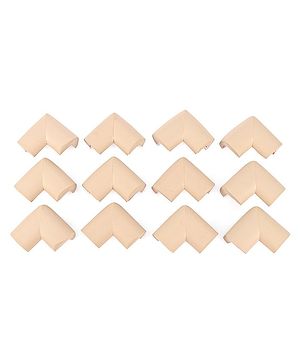
Babyhug Corner & Edge Guards Pack of 12 - Cream
Regular price₹445.00Regular price ₹271.45Regular priceUnit price per₹445.00Sale price ₹271.45 39% OFFSale -
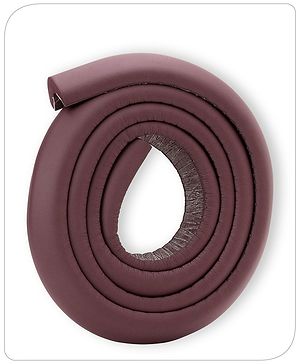
Babyhug Corner & Edge Guards- Brown
Regular price₹395.00Regular price ₹225.15Regular priceUnit price per₹395.00Sale price ₹225.15 43% OFFSale -
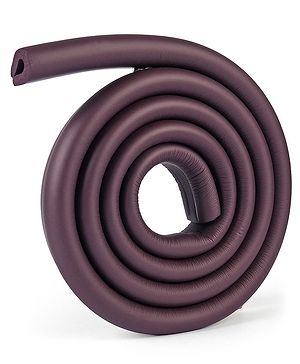
Babyhug Corner & Edge Guard - Brown
Regular price₹395.00Regular price ₹225.15Regular priceUnit price per₹395.00Sale price ₹225.15 43% OFFSale -
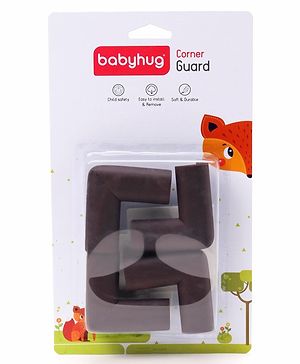
Babyhug Corner Edge Protector Pack Of 4 - Brown
Regular price₹225.00Regular price ₹207.00Regular priceUnit price per₹225.00Sale price ₹207.00 8% OFFSale -
Babyhug Corner Edge Protector Pack Of 4 - White
Regular price₹195.00Regular price ₹179.40Regular priceUnit price per₹195.00Sale price ₹179.40 8% OFFSale -
Babyhug Glass Corner Edge Protector With Tape - Black
Regular price₹395.00Regular price ₹225.15Regular priceUnit price per₹395.00Sale price ₹225.15 43% OFFSale
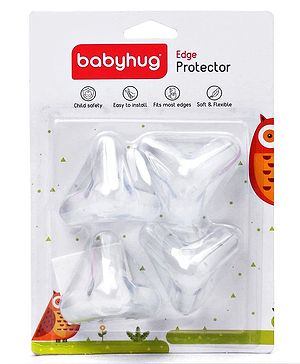
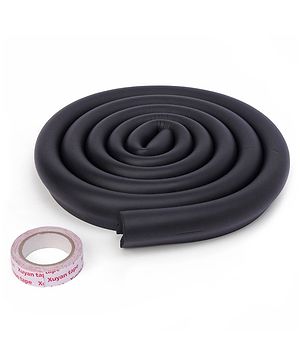
Babyhug Corner & Edge Guards for Babies & Toddlers
As babies begin crawling, standing and walking, everyday furniture can become an unexpected source of bumps and injuries. Sharp table corners, exposed furniture edges and hard surfaces can be particularly concerning when a toddler is moving around at floor level. Corner and edge guards help soften selected furniture contact points and add an extra layer of protection while babyproofing the home.
The Babyhug Corner & Edge Guards collection offers practical childproofing solutions for different furniture shapes and household surfaces. Depending on the area being protected, parents can choose between corner protectors, longer edge guards and options designed for specific surfaces.
Whether you are preparing your home for a crawling baby, protecting furniture during the toddler years, or making a new home more child-friendly, the right protector should fit the surface, corner or edge securely and remain firmly attached during everyday use.
Why Are Corner & Edge Guards Important for Babies?
Babies do not always have the balance or spatial awareness to avoid furniture while learning to move. A stumble near a hard table corner or exposed edge can result in an impact injury, particularly around the head, face, arms or body.
Corner and edge guards add a cushioning layer between the child and selected hard furniture surfaces. They can help reduce the harshness of accidental contact, although they cannot eliminate the possibility of injury.
They can be particularly useful around:
- Coffee tables
- Dining tables
- TV units
- Cabinets
- Shelves
- Desks
- Bedside furniture
- Low storage units
- Other furniture within a child's reach
Corner and edge guards are one part of a broader childproofing setup and should be combined with supervision and other appropriate safety measures.
Which Furniture Needs Corner & Edge Protection?
The easiest way to identify potential hazards is to look around your home from your child's height.
Pay particular attention to furniture that has:
- Sharp or pointed corners
- Hard exposed edges
- Low-height surfaces
- Corners along frequently used walking paths
- Furniture located in play areas
- Surfaces close to where children crawl, stand or walk
A corner guard is most useful when the protected area is actually accessible to the child. As your baby grows taller and becomes more mobile, previously unreachable furniture may also need attention.
Corner Guards vs Edge Guards: Which One Do You Need?
The shape of the furniture determines which type of protection is appropriate.
Corner guards are designed for projecting furniture corners, such as the corner of a table or cabinet.
Edge guards are intended for longer exposed sections of furniture where a child could bump into a hard edge.
If a piece of furniture has both prominent corners and a long exposed edge, parents may need to consider protection for both areas rather than relying on a single corner protector.
How Do Corner & Edge Guards Help Reduce Impact Injuries?
Corner and edge guards are designed to cushion selected contact points between a child and hard furniture. This can be particularly useful when a child loses balance and falls or walks directly into an exposed corner.
They can be helpful during stages when children are:
- Pulling themselves up
- Cruising around furniture
- Taking their first steps
- Learning to walk independently
- Moving quickly through indoor spaces
The effectiveness of a protector depends on factors such as its material, coverage, dimensions, secure attachment and suitability for the furniture surface.
Corner protection should not be treated as a replacement for securing unstable furniture or addressing larger fall hazards such as stairs.
What Material Should You Look for in a Corner Guard?
The material affects how a protector feels, performs and responds to impact. Parents should consider whether the material provides suitable cushioning while remaining securely attached to the furniture.
Look for a construction that:
- Provides a protective cushioning layer
- Is suitable for the intended furniture surface
- Maintains its shape during normal use
- Does not easily tear or break away
- Is appropriate for the product's intended application
The material alone does not determine effectiveness. It should work together with the guard's design, dimensions and attachment method.
Why Does Adhesion Matter for Furniture Protection?
A corner guard that shifts or detaches cannot provide consistent coverage. Adhesion is therefore an important consideration, particularly for protectors that use adhesive or tape-based installation.
Before applying a guard:
- Clean the surface as directed by the manufacturer.
- Make sure the surface is dry and free from dust or grease.
- Position the protector accurately before securing it.
- Follow the recommended setting or curing time where applicable.
- Check regularly for peeling or loosening.
If the protector becomes detached or damaged, refit or replace it rather than leaving it within the child's reach.
Why Are Dimensions Important When Choosing an Edge Guard?
A protector needs to provide enough coverage for the furniture section being protected. A guard that is too small may leave part of a sharp corner or edge exposed.
Before purchasing, consider:
- Corner size
- Edge length
- Edge thickness
- Protector dimensions
- Available fitting area
- Required coverage
For longer furniture edges, measure the section that needs protection before selecting the appropriate product.
Does the Intended Surface Matter?
Yes. A protector designed for one surface or furniture configuration may not be suitable for another.
Parents should check whether the product is intended for:
- Wooden furniture
- Glass surfaces
- Laminated furniture
- Finished surfaces
- Cabinets
- Tables
- Other compatible furniture materials
The intended surface should always be matched with the manufacturer's compatibility information and installation instructions.
How to Choose the Right Corner Protector
The right protector should match both the furniture and the type of impact point being covered.
Consider four key factors:
Material: Does the construction provide appropriate cushioning for the intended use?
Adhesion: Can it be securely attached to the furniture surface using the recommended installation method?
Dimensions: Will it adequately cover the corner or edge without leaving exposed sections?
Intended surface: Is the product designed for the particular material and furniture configuration?
A protector that fits these four requirements is more likely to remain correctly positioned during everyday use.
How to Install Corner & Edge Guards Properly
A protector needs to remain firmly positioned to provide consistent coverage.
- Identify the furniture corners or edges that need protection.
- Check the product's compatibility with the furniture surface.
- Measure the area where coverage is required.
- Prepare the surface according to the manufacturer's instructions.
- Position the protector so the exposed corner or edge is adequately covered.
- Secure it using the recommended installation method.
- Allow adhesive or other attachment systems to set as instructed.
- Check that the protector does not move, peel away or expose a sharp section.
Inspect the guard periodically, particularly if it is located on furniture that is frequently used.
When Should Parents Start Using Corner & Edge Guards?
Corner protection becomes particularly useful when babies begin crawling, pulling up, cruising or walking.
There is no universal age at which every family needs corner guards. The more useful question is:
Can my child now reach or move around this furniture?
If the answer is yes, check whether its corners or edges create an avoidable impact hazard.
Parents should also reassess the home as their child grows because reach, height, speed and mobility change quickly during the toddler years.
How Many Areas of the Home Should Be Protected?
There is no fixed number of corners that every home needs to cover. The requirement depends on your furniture layout and which areas your child can access.
Start by identifying:
- Furniture in the child's main play area
- Corners along walking paths
- Low tables and cabinets
- Furniture near playmats
- Edges near doorways
- Furniture that children use for support
As your child becomes more mobile, repeat the assessment and protect newly accessible areas where necessary.
Are Corner Guards Enough to Babyproof a Home?
No. Corner and edge guards address one specific household hazard. Effective childproofing usually requires looking at the entire environment.
Parents should also consider:
- Stair gates
- Cabinet and drawer locks
- Socket covers
- Door safety products
- Furniture anchoring
- Cord management
- Safe storage of medicines and cleaning products
- Keeping small objects away from young children
Corner protection works best as one layer within a wider child-safety approach.
How Can Parents Reduce Bumps and Falls Around Furniture?
Corner protection can soften a selected impact point, but preventing falls requires a broader approach.
Keep frequently used walking areas clear of toys, loose rugs and other obstacles. Secure unstable furniture and avoid placing tempting objects on surfaces that encourage children to climb.
During early walking stages, close supervision is particularly important because children can lose balance unexpectedly.
What Should You Do If a Corner Guard Comes Loose?
A loose protector should not simply be pushed back into place and ignored.
Remove or refit it according to the manufacturer's instructions and check whether the attachment surface is still suitable. If the guard is damaged, torn or no longer stays securely attached, replace it.
Also check that a detached protector has not become a small loose part within the child's reach.
Corner & Edge Guard Safety Considerations
A corner protector should remain securely attached and should not introduce a new hazard.
Parents should periodically check for:
- Loose or peeling attachment
- Damaged protective material
- Exposed furniture edges
- Detached small components
- Poor alignment
- Reduced coverage as the child grows
The furniture itself should also be stable. A corner guard cannot compensate for furniture that can tip, move or collapse.
Are Corner & Edge Guards Safe for Babies?
Corner and edge guards can be useful childproofing accessories when they are correctly matched to the furniture and securely installed.
However, they should not be treated as a guarantee against injury. Parents should continue supervising young children and address other hazards within the home.
Always follow the individual product's installation, compatibility and maintenance instructions.
Safety Standards & Certification for Corner & Edge Guards
Safety certification or testing information can be an additional consideration when selecting childproofing products. Certification or safety-testing information may vary between individual corner and edge guard products, depending on their material, intended application and product classification.
Parents should check the individual product details for any applicable certification, testing information, material specifications and manufacturer's safety instructions rather than assuming that one standard applies across every type of protector.
Along with certification, consider the product's material, adhesion, dimensions and intended surface, as these directly affect whether the protector can be fitted correctly and provide appropriate coverage.
Certification does not replace correct installation or regular inspection. A properly fitted protector should remain securely attached and cover the intended impact area without creating additional hazards.
Babyhug Corner & Edge Guards: What to Consider Before Buying
When choosing from the Babyhug collection, focus on the application rather than simply the appearance of the protector.
Ask:
- Is the protection needed for a corner or a longer edge?
- What material is the furniture made from?
- Is the protector suitable for that surface?
- Is the installation method appropriate?
- Are the dimensions suitable for the furniture?
- Will the protector remain securely attached?
- Is the furniture within the child's reach?
- Does the product provide enough coverage around the potential impact point?
This approach helps parents select a suitable childproofing solution for the furniture actually present in their home.
A Room-by-Room Corner Protection Check
Living Room
Look at coffee tables, TV units, side tables and low cabinets around the child's main play area.
Dining Area
Check table corners and exposed edges around dining chairs where children may walk or pull themselves up.
Bedroom
Inspect bedside tables, low cupboards, storage units and other furniture within reach.
Play Area
Look beyond toys and check nearby furniture, shelves and storage units that children may use for support.
Home Office
Desks and low storage furniture can become accessible once children begin standing and walking.
Quick Corner & Edge Guard Buying Guide
Before choosing a protector, consider:
- Material: Does it provide suitable cushioning and durability?
- Adhesion: Will the attachment method work securely on the intended surface?
- Dimensions: Does it provide enough coverage for the corner or edge?
- Intended surface: Is it compatible with the furniture material?
- Shape: Does the product suit a corner or straight edge?
- Installation: Can it be fitted according to the manufacturer's instructions?
- Accessibility: Is the furniture within your child's reach?
- Maintenance: Can you inspect and replace the guard when necessary?
FAQs About Corner & Edge Guards
What are corner and edge guards used for?
They are designed to cover selected hard furniture corners and edges, helping soften accidental bumps when babies and toddlers come into contact with furniture.
When should I use corner guards for my baby?
They can be useful once your baby begins crawling, pulling up, cruising or walking and can reach furniture around the home.
Do corner guards prevent falls?
No. They are designed mainly to reduce the impact of contact with hard corners or edges. They do not prevent falls and should be combined with other childproofing measures.
What is the difference between a corner guard and an edge guard?
A corner guard protects a projecting furniture corner, while an edge guard is designed for a longer exposed edge.
What material is best for a corner guard?
The appropriate material depends on the intended application. Look for a product that provides suitable cushioning, durability and compatibility with the furniture surface.
Why is adhesion important for corner protectors?
Secure adhesion helps keep the protector correctly positioned over the impact area. Poor attachment can leave parts of the furniture exposed or cause the protector to detach.
How do I know which corner guard will fit my furniture?
Check the furniture's material, corner shape, edge dimensions, available fitting area and the protector's recommended application before purchasing.
Can corner guards be used on glass furniture?
Only when the particular protector is designed and suitable for the relevant glass surface. Always check compatibility and installation instructions before use.
Do corner guards make furniture completely safe?
No. They address sharp or hard contact points but do not resolve risks such as unstable furniture, climbing hazards or other household dangers.
How often should corner guards be checked?
Inspect them regularly for loosening, peeling, damage or exposed furniture edges. Refit or replace them when they no longer remain securely attached.