
Baby Bouncers, Rockers & Swings
 This item is discontinued.
 Explore similar products from our collection.
-
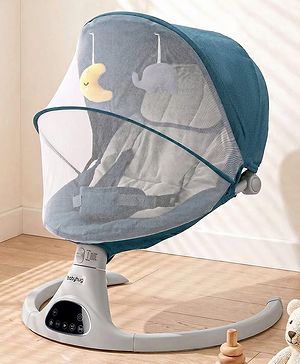
Babyhug Electric Rocker with Mosquito Net - Blue| Baby Swing Cradle with Remote| 6 Speed Levels| Safety Harness| Built-in Music with Volume Control| Off Timer| Silent Operation| Remote Control
Regular price₹10,495.00Regular price ₹6,506.90Regular priceUnit price per₹10,495.00Sale price ₹6,506.90 38% OFFSale -
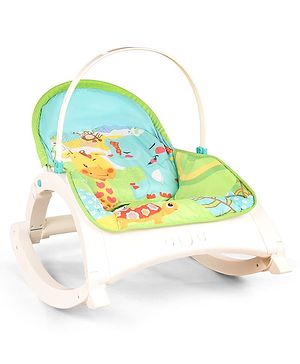
Babyhug 2 In 1 Baby Bouncer Rocker & Reclining Chair - Green| Built-in Music| Soothing Vibration| Fold-out Stand for Stable Position| Compact Fold| Safety Harness| Removable Fabric
Regular price₹5,295.00Regular price ₹2,912.25Regular priceUnit price per₹5,295.00Sale price ₹2,912.25 45% OFFSale -
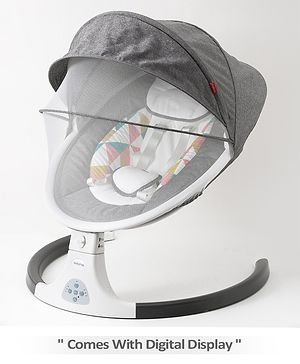
Babyhug Electric Rocker with Mosquito Net Baby Swing Cradle with Remote & 5 Modes of Speed Safety Belt & Music- Grey
Regular price₹10,995.00Regular price ₹10,115.40Regular priceUnit price per₹10,995.00Sale price ₹10,115.40 8% OFFSale -
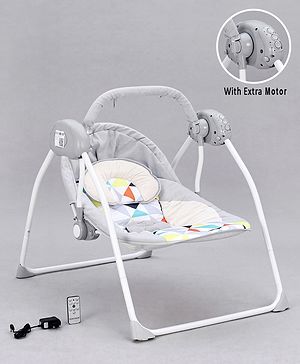
Babyhug Galaxy Electric Swing with Extra Free Motor & Remote - Grey (Without Hanging Toys)| Automatic & Manual Operation| 3 Swing Speed| Off Timer| Built-in Music & Soothing Vibration| Compact Fold| Safety Harness| Cushion Seat
Regular price₹9,995.00Regular price ₹9,195.40Regular priceUnit price per₹9,995.00Sale price ₹9,195.40 8% OFFSale -
Babyhug New Born to Toddler 5 in 1 Baby Rocker cum Booster Seat with Multi Position Reclining chair I Removable Meal Tray I Hanging Toys & Music - Blue
Regular price₹7,495.00Regular price ₹4,122.25Regular priceUnit price per₹7,495.00Sale price ₹4,122.25 45% OFFSale -
Babyhug Delight 3 In 1 Infant To Toddler Rocker With Safety Harness & Reclining Seat - Multicolour( Without Soft Toys)
Regular price₹6,495.00Regular price ₹3,702.15Regular priceUnit price per₹6,495.00Sale price ₹3,702.15 43% OFFSale -
Babyhug Galaxy Electric Swing with Extra Free Motor & Remote - Grey| Automatic & Manual Operation| 3 Swing Speed| Off Timer| Built-in Music & Soothing Vibration| Compact Fold| Safety Harness| Cushion Seat
Regular price₹9,995.00Regular price ₹9,195.40Regular priceUnit price per₹9,995.00Sale price ₹9,195.40 8% OFFSale -
Babyhug Battery Operated Rocker With Canopy & Plush Fabric - Grey Suggested Name: Babyhug Battery Operated Rocker With Canopy & Plush Fabric - Grey | Safe | Sturdy | Smooth Motion | Bug Protection |Adjustable | Lightweight |
Regular price₹8,895.00Regular price ₹4,625.40Regular priceUnit price per₹8,895.00Sale price ₹4,625.40 48% OFFSale -
Babyhug Electric Rocker with Mosquito Net Baby Swing Cradle with Remote & 5 Modes of Speed Safety Belt & Music- Pink
Regular price₹10,995.00Regular price ₹10,115.40Regular priceUnit price per₹10,995.00Sale price ₹10,115.40 8% OFFSale -
Babyhug Light weight Baby Bouncer with Safety Harness - Navy Blue
Regular price₹3,195.00Regular price ₹2,076.75Regular priceUnit price per₹3,195.00Sale price ₹2,076.75 35% OFFSale -
Babyhug Gaiety Electronic Swing With Timer & 5 Point Safety Harness - Blue Green( Without Hanging Toys)
Regular price₹12,995.00Regular price ₹10,883.31Regular priceUnit price per₹12,995.00Sale price ₹10,883.31 16% OFFSale -
Babyhug Light Weight Comfy Bouncer With Music & Calming Vibrations Jungle Print - Pink (Without Toys)
Regular price₹4,495.00Regular price ₹4,135.40Regular priceUnit price per₹4,495.00Sale price ₹4,135.40 8% OFFSale
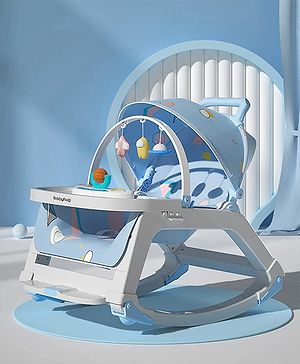
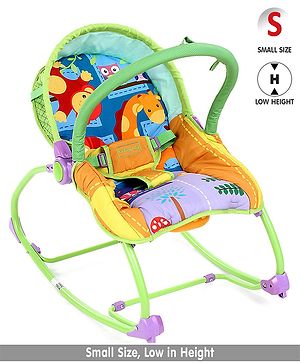
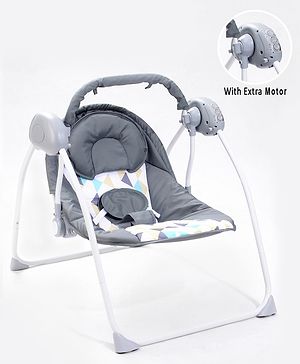
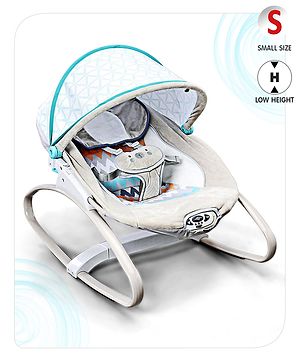
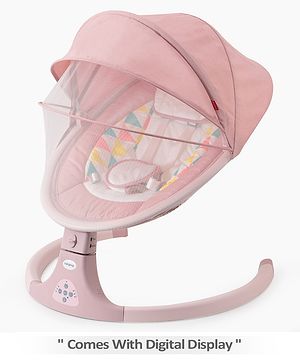
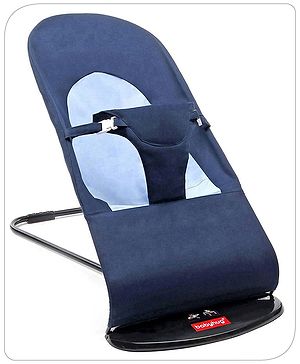
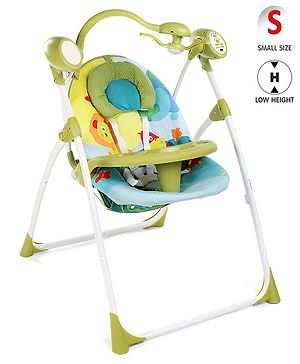
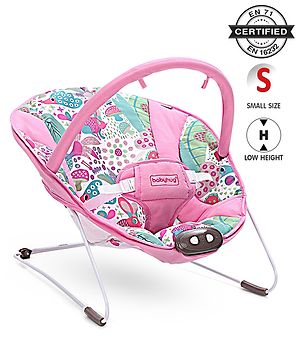
Baby Bouncers, Rockers & Swings for Babies
Baby bouncers, rockers and swings can provide a comfortable space for babies during supervised play, soothing and short periods of rest. Depending on the design, gentle rocking or bouncing motion can help make everyday routines more comfortable for both babies and parents.
At Babyhug, our collection includes baby bouncer chairs, baby rockers, baby swing chairs, cradle swings, baby jhula swings, foldable swings and automatic baby swings. Different designs offer different types of movement, seating positions and features to suit various stages and routines.
Whether you are looking for a lightweight baby bouncer for everyday use, a baby rocker for calming routines or an automatic baby swing for gentle motion, choose a product based on your baby's age, weight, developmental stage and the manufacturer's recommended usage.
Why Choose Baby Bouncers, Rockers & Swings?
Baby bouncers, rockers and swings can be useful during supervised periods when parents want to provide a comfortable space for their baby.
Depending on the product, they may:
- Provide gentle movement
- Support supervised relaxation
- Offer a comfortable space during play
- Encourage sensory engagement
- Add convenience to everyday routines
- Provide short periods of supervised rest, where the product is designed for this purpose
These products should complement, rather than replace, floor play, tummy time and other age-appropriate activities.
Types of Baby Bouncers, Rockers & Swings
Different baby seating and soothing products offer different movement styles and features.
Baby Bouncers
A baby bouncer is a lightweight baby seat that can move gently in response to a baby's natural movements or when manually bounced, depending on the design.
Baby bouncers may offer:
- Gentle bouncing motion
- Reclining positions
- Soft padding
- Lightweight portability
- Toy or activity bars
Use a baby bouncer only within its recommended age, weight and developmental limits.
Baby Rockers
A baby rocker provides a gentle back-and-forth rocking motion and can be useful during supervised calming or play routines.
Depending on the model, baby rockers may include:
- Reclined seating
- Gentle rocking motion
- Soft cushioning
- Vibration
- Music or activity features
Always follow the manufacturer's instructions for positioning and use.
Baby Swing Chairs
Baby swing chairs use a swinging motion to provide gentle movement during supervised soothing or play.
Depending on the model, features may include:
- Automatic swinging
- Adjustable speed settings
- Multiple movement modes
- Safety harnesses
- Soft seating
- Music or entertainment features
Automatic baby swings should always be used according to the product's instructions and under active adult supervision.
Cradle & Baby Jhula Swings
Cradle swings and baby jhula swings offer a traditional swinging experience, with designs varying from model to model.
Depending on the product, they may provide:
- Gentle swinging motion
- Supportive seating
- Cradle-style design
- Secure harness or restraint systems
Check the individual product's recommended age, weight and installation requirements before use.
Hanging & Jumping Swings
Hanging and jumping swings are designed for movement and active play under supervision.
Depending on the model, they may encourage:
- Leg movement
- Active play
- Coordination
- Sensory engagement
Use these products only as intended and ensure that installation, attachment and weight limits are followed carefully.
Baby Bouncer vs Baby Swing
| Feature | Baby Bouncer | Baby Swing |
|---|---|---|
| Movement | Baby's movement or manual bouncing | Automatic or manual swinging, depending on model |
| Power | Usually no electricity | Electric or battery-operated models available |
| Portability | Generally lightweight | Can be larger depending on model |
| Common use | Play and supervised relaxation | Soothing and supervised play |
| Movement control | Depends on baby or parent | May offer adjustable speeds |
A baby bouncer can be a convenient lightweight option, while a baby swing may be useful for parents looking for automated movement. The right choice depends on your baby's stage and your everyday routine.
Baby Rocker vs Baby Swing
| Feature | Baby Rocker | Baby Swing |
|---|---|---|
| Movement | Manual rocking | Automatic or manual swinging |
| Portability | Often compact | Varies by model |
| Common use | Calming and supervised play | Soothing and play |
| Power | Usually manual | Electric or battery-operated models available |
| Convenience | Simple everyday use | Automated movement on selected models |
A baby rocker may suit parents looking for a simple, compact option, while a baby swing can provide automated movement where that feature is useful.
Baby Bouncers & Swings by Need
The right product depends on your baby's stage, your available space and how you plan to use it.
Baby Swings for Newborns
Some baby swings and rockers are designed for newborn use, while others are intended for older babies.
If you are choosing a product for a newborn, check that the individual model is specifically approved for newborn use and provides the required support and positioning.
Baby Bouncers for Small Homes
Compact and foldable baby bouncers can be convenient for apartments and homes with limited storage space.
Look for:
- Lightweight construction
- Foldable design
- Compact footprint
- Easy storage
Baby Swings for Soothing
Automatic baby swings with adjustable movement settings can provide consistent motion during supervised soothing routines.
Always follow the manufacturer's recommended settings and usage limits.
Baby Seating for Travel
Lightweight baby bouncers and compact rockers can be easier to move between locations. Before travelling, check the product's intended use, folded dimensions and portability.
Baby Swings for Active Babies
Interactive swings and activity-focused products can provide opportunities for supervised play and sensory engagement. Choose according to your baby's developmental stage and the product's intended use.
Baby Bouncer & Swing Features
When choosing a baby bouncer, rocker or swing, consider features that support comfort, stability and ease of use.
Strong & Stable Frame
A stable frame and base can help provide a secure foundation during use. Always use the product on the surface recommended by the manufacturer.
Safety Harness
A properly adjusted harness or restraint helps keep your baby securely positioned during use.
Supportive Seating
Appropriate head, neck and body support can be important, particularly for younger babies. Check the product's recommended position and age range.
Breathable Fabrics
Breathable materials can help improve comfort and airflow. Avoid covering the product in a way that restricts airflow around your baby.
Foldable Design
Foldable baby bouncers and swings can make storage and transportation easier, particularly in smaller homes.
Quiet Motor
Some automatic baby swings are designed with quieter motor operation to provide a calmer environment during supervised use.
Babyhug baby bouncers and swings are designed with parent-focused features that support comfort, convenience and everyday use, helping parents choose an option suited to their baby's needs and routines.
How to Choose the Best Baby Bouncer or Swing
The right Baby bouncer, rocker or swing depends on your baby's age, weight, developmental stage and your family's daily routine.
Consider:
- Recommended age and weight
- Head, neck and body support
- Safety harness or restraint
- Seating and recline positions
- Available space at home
- Foldability and portability
- Washable seat covers
- Movement settings
- Activity features
- Frame and base stability
Always check the individual product specifications before purchase and use.
Baby Bouncer & Swing Safety
Baby bouncers, rockers and swings require active adult supervision. Falls, tipping and entrapment can occur if these products are used incorrectly or placed on unsuitable surfaces.
For safer use:
- Place the product on a flat, stable surface recommended by the manufacturer.
- Never place a bouncer, rocker or swing on a bed, sofa, table, countertop or other elevated surface unless specifically designed and approved for that use.
- Use the supplied harness or restraint correctly.
- Adjust the harness according to your baby's size.
- Follow the recommended age, weight and developmental limits.
- Check the frame, base, seat, straps, buckles and locking mechanisms before every use.
- Keep babies away from hinges, folding mechanisms and suspension points.
- Stop using the product if your baby can climb out or reaches the manufacturer's stated limit.
- Keep cords, loose blankets, toys and other objects away from the baby's face and moving parts.
- Do not carry or move the product with your baby inside unless the product is specifically designed and approved for that purpose.
A safety harness helps secure your baby but does not replace active adult supervision.
Baby Bouncer & Swing Safety Standards
Certification can be an important consideration when choosing a baby bouncer, rocker or swing. Applicable standards may vary depending on the product type and model, so parents should check the individual product details and certification information before purchase.
EN 12790 Certification: EN 12790 is a European standard applicable to certain infant bouncers and related products. Selected Babyhug products, such as the Babyhug Delight 3-in-1 Infant to Toddler Rocker, are listed as EN 12790 Certified.
EN 71 Certification: EN 71 is a European series of toy safety standards. Selected Babyhug bouncers and swings are listed with EN 71 certification.
BIS Certification: Selected Babyhug bouncer listings also indicate coverage under mandatory BIS certification requirements. Parents can check the individual product page for the applicable compliance information.
Before Using a Baby Bouncer or Swing
Before placing your baby in a bouncer, rocker or swing, check that the product is appropriate for your baby's current stage and that all safety components are functioning correctly.
Check that:
- Your baby is within the recommended age and weight range.
- The harness is correctly fastened and adjusted.
- The seat is positioned as recommended.
- The frame and base are stable.
- Brakes, locks or securing mechanisms are properly engaged, where applicable.
- Folding or moving components are securely locked.
- There are no damaged straps, buckles, seams, frames or other components.
- The product is being used only on the surface and in the configuration recommended by the manufacturer.
Regular inspection is especially important for products with moving, folding, rocking or suspended components.
Baby Bouncer & Swing Safety FAQs
Can Babies Sleep in Swings or Bouncers?
Baby bouncers, rockers and swings should not be treated as routine sleep spaces. If a baby falls asleep while using one, follow the manufacturer's instructions and move the baby to an appropriate sleep surface as soon as practical.
Always check the individual product's instructions regarding sleep and supervised rest.
How Long Can Babies Use a Bouncer?
There is no single session length that applies to every baby or every product. Follow the manufacturer's guidance and keep use supervised and appropriate to your baby's developmental stage.
Can Swings Be Used on Elevated Surfaces?
No. Baby swings and bouncers should generally be placed on the flat, stable surface specified by the manufacturer. Avoid beds, sofas, tables and other elevated surfaces unless the product is specifically designed and approved for such use.
When Should I Stop Using a Baby Swing or Bouncer?
Stop using the product when your baby reaches the manufacturer's stated age, weight or developmental limit, or when the baby can climb out or the product is no longer appropriate for their stage.
Baby Bouncer, Rocker & Swing FAQs
What age is suitable for baby bouncers and swings?
The suitable age varies by product. Some Babyhug bouncers, rockers and swings may be designed for newborns, while others are intended for older babies.
Always check the individual product's recommended age, weight and developmental limits.
Are baby rockers safe for newborns?
Some baby rockers are designed for newborn use and may provide appropriate support. Check that the specific model is approved for newborns and use it according to the manufacturer's instructions.
Can babies sleep in a swing or rocker?
Baby swings and rockers should not be used as routine sleep spaces. Follow the product instructions and move a sleeping baby to an appropriate sleep surface.
How long can my baby use a bouncer in one session?
The appropriate duration varies by baby and product. Use the bouncer for supervised periods and follow the manufacturer's usage guidance.
Do baby swings help soothe fussy babies?
Gentle movement may help some babies settle during supervised soothing routines. Every baby is different, so a swing may not have the same effect for every child.
Are electric baby swings better than manual ones?
Neither is automatically better. Electric swings offer automated movement, while manual rockers and bouncers can be simpler and more portable. Choose according to your baby's needs and your routine.
Is a safety harness necessary?
Yes. When a product is supplied with a harness or restraint, it should be used and adjusted according to the manufacturer's instructions.
Can these products be used indoors daily?
Many baby bouncers, rockers and swings are designed for indoor use, but they should always be used on the appropriate surface and under active adult supervision.
Are baby jumping swings good for development?
Jumping swings can provide opportunities for movement and active play, depending on the product. They should be used only when the baby meets the manufacturer's requirements and always under close supervision.
How do I choose the right size?
Choose according to the manufacturer's recommended age, weight and, where applicable, height limits. The product should provide an appropriate fit for your baby's current stage.
Are foldable swings stable?
A properly assembled and locked foldable swing should be used according to the manufacturer's instructions. Always check the locking mechanism and stability before placing your baby inside.
Do these products need frequent cleaning?
Regular cleaning can help maintain hygiene. Removable and washable covers can make maintenance easier. Always follow the cleaning instructions for the individual product.
Can bouncers and swings reduce parental fatigue?
They can provide parents with a convenient place for supervised baby activity or soothing while keeping their hands free for short periods. They should not replace direct interaction and supervision.
Are these products suitable for small apartments?
Compact and foldable Babyhug bouncers, rockers and swings can be useful in smaller homes. Check the product's dimensions and folded size before purchase.
When should I stop using a bouncer or swing?
Stop using the product when your baby reaches the manufacturer's recommended limit, can climb out, or reaches a developmental stage where the product is no longer suitable.