
Baby Helmets
 This item is discontinued.
 Explore similar products from our collection.
-
Babyhug Premium Baby Safety Apple Print Helmet - Multicolour
Regular price₹1,025.00Regular price ₹943.00Regular priceUnit price per₹1,025.00Sale price ₹943.00 8% OFFSale -
Babyhug Premium Baby Safety Helmet - Camouflage
Regular price₹1,025.00Regular price ₹943.00Regular priceUnit price per₹1,025.00Sale price ₹943.00 8% OFFSale
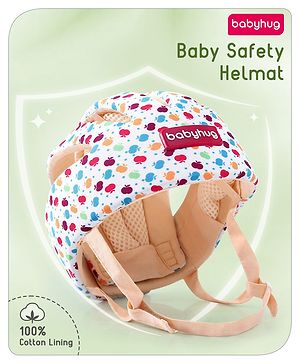
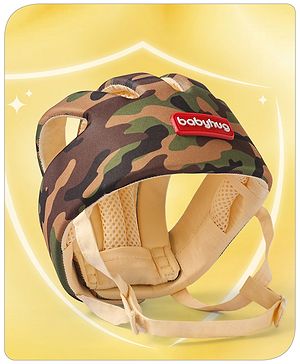
Baby Helmets for Head Protection, Safe Play & Active Movement
Baby helmets are protective accessories designed to help protect babies and toddlers from minor head bumps while they explore movement. As babies begin crawling, standing, and learning to walk, small falls and accidental bumps can occur. A baby helmet provides soft cushioning around the head to help reduce the impact of minor collisions.
Modern baby helmets are designed with lightweight padding, breathable materials, and adjustable straps so babies can wear them comfortably during everyday activities. Many parents use baby helmets during the crawling and early walking stages to provide additional head protection during playtime.
Baby helmets for toddlers are also useful during outdoor activities such as riding balance bikes, scooters, or tricycles. With proper design and comfortable padding, a toddler helmet allows children to explore movement confidently while maintaining head protection.
Types of Baby Helmets
Baby Head Protection Helmets
Soft head protection for crawling babies. Baby head protection helmets are padded helmets designed to cushion minor bumps while babies crawl or attempt their first steps. These helmets are typically lightweight and comfortable so babies can move freely while wearing them. Parents commonly use these helmets indoors where babies may encounter furniture edges or hard flooring while exploring movement.
Toddler Safety Helmets
Protective helmets for active toddlers. Toddler helmets are designed for slightly older babies who are walking, running, or climbing more actively. These helmets often provide broader coverage and stronger padding to protect against minor falls. They are commonly used during active play both indoors and outdoors.
Kids Bicycle Helmets
Helmets designed for cycling and riding toys. Kids bicycle helmets are protective helmets designed for outdoor riding activities such as bicycles, balance bikes, scooters, or skateboards. These helmets typically include durable outer shells and shock-absorbing inner layers. Parents often use these helmets once children start riding outdoor toys.
Adjustable Baby Helmets
Helmets designed to grow with the child. Adjustable baby helmets include flexible straps or adjustable headbands that allow parents to customise the fit as babies grow. This ensures better comfort and safety while the helmet remains secure. Adjustable helmets are often preferred because they provide longer usability.
Benefits of Baby Helmets
Helps Protect Babies from Minor Head Bumps
Soft padding absorbs light impact. A baby helmet provides cushioning that helps reduce the impact of minor bumps when babies fall while learning to crawl or walk.
Supports Safer Exploration
Encourages movement and discovery. Babies naturally explore by crawling, climbing, and walking. Wearing a baby helmet helps provide additional protection during these early movement stages.
Encourages Active Play
Promotes confidence during playtime. Parents often feel more comfortable allowing babies to move independently when protective gear such as toddler helmets is used.
Useful for Indoor and Outdoor Activities
Suitable for everyday movement and riding toys. Baby helmets can be used indoors during playtime or outdoors when toddlers ride bicycles or scooters.
Key Features to Look for in Baby Helmets
Soft Impact-Absorbing Padding
Shock-absorbing foam materials. Quality baby helmets include soft padding designed to absorb small impacts while protecting delicate baby heads.
Adjustable Straps
Secure and comfortable fit. Adjustable straps help ensure the helmet stays securely in place without causing discomfort.
Lightweight Construction
Comfortable for everyday wear. Lightweight helmets reduce pressure on the baby’s head and allow longer wear during playtime.
Breathable Design
Ventilation helps prevent overheating. Many baby helmets include ventilation holes that improve airflow and maintain comfort.
Secure and Stable Fit
Proper fit ensures better protection. A well-fitted helmet should stay stable while allowing babies to move naturally.
Materials Used in Baby Helmets
Foam Padding
Soft cushioning materials. Foam padding is commonly used inside baby helmets to absorb minor impacts.
Breathable Fabric Covers
Soft materials for comfort. Many baby helmets use breathable fabrics that improve airflow and comfort.
Polycarbonate Outer Shells
Durable protection for cycling helmets. Some kids bicycle helmets include polycarbonate shells that provide stronger protection during outdoor riding.
Buying Considerations for Baby Helmets
Baby’s Age and Activity Level
Different helmets are designed for crawling babies, walking toddlers, or children riding bikes.
Helmet Size and Fit
A proper fit ensures the helmet stays secure and provides better protection.
Weight of the Helmet
Lightweight helmets are more comfortable for babies and toddlers to wear.
Safety Certification
Parents often check whether helmets meet child safety standards.
Ventilation and Comfort
Helmets with ventilation holes help prevent overheating during active play.
Baby Helmets by Age Group
Crawling Baby Helmets (6–12 Months)
Soft padded helmets designed to protect babies while crawling and exploring movement.
Toddler Helmets (1–3 Years)
Helmets with stronger padding designed for active toddlers learning to walk and run.
Kids Riding Helmets (3+ Years)
Protective helmets designed for bicycles, scooters, and outdoor riding activities.
Baby Helmets for Safe Play and Early Development
Baby helmets help support safe exploration during early childhood development. As babies learn to crawl, stand, and walk, they may experience occasional falls or bumps. A baby protective helmet helps cushion these impacts while allowing children to explore their environment.
Parents often include baby helmets as part of early safety gear along with knee pads or protective guards. Choosing a lightweight, breathable baby helmet helps create a safer environment for active play while maintaining comfort.
FAQs Asked by Parents Around Baby Helmets
What is a baby helmet used for?
A baby helmet is used to protect a baby’s head from minor bumps while crawling, walking, or playing.
Are baby helmets safe for babies?
Yes, baby helmets designed with soft padding and breathable materials are commonly used to provide additional head protection during early movement stages.
At what age should babies wear helmets?
Many babies start wearing protective helmets when they begin crawling or learning to walk, usually between six and twelve months.
Do baby helmets prevent injuries completely?
Baby helmets help reduce the impact of minor bumps but cannot completely prevent all injuries.
Are toddler helmets different from baby helmets?
Yes, toddler helmets usually provide stronger padding and broader coverage for more active movement.
How should a baby helmet fit?
A baby helmet should fit snugly around the head without being too tight or slipping during movement.
Can babies wear helmets while learning to walk?
Yes, some parents use baby helmets to provide extra protection while babies practise walking.
Are baby helmets suitable for indoor use?
Yes, many baby helmets are designed specifically for indoor play and everyday movement.
Can toddlers wear helmets while riding bikes?
Yes, toddlers should wear proper cycling helmets when riding bicycles, balance bikes, or scooters.
Are baby helmets comfortable to wear?
Most baby helmets are designed with lightweight padding and breathable materials to maintain comfort.
How do I clean a baby helmet?
Baby helmets can usually be cleaned with mild soap and water or according to manufacturer instructions.
Do baby helmets help prevent head injuries?
Baby helmets help reduce the impact of small bumps but should be used along with safe supervision.
What is the difference between soft baby helmets and hard helmets?
Soft helmets are designed for indoor play and crawling stages, while hard helmets are used for cycling or outdoor activities.
Can toddlers wear helmets indoors?
Yes, toddler helmets can be worn indoors if additional head protection is needed during active play.
Are baby helmets adjustable?
Many baby helmets include adjustable straps or bands that allow parents to customise the fit.
Do baby helmets affect baby development?
When properly fitted, baby helmets do not interfere with normal movement or development.
Are helmets necessary for babies learning to crawl?
Helmets are not always necessary but may provide extra protection for babies who frequently fall.
What materials are used in baby helmets?
Baby helmets are usually made with foam padding, breathable fabrics, and sometimes durable outer shells.
How long can babies wear helmets during playtime?
Babies can wear helmets during active play sessions but should be monitored for comfort.
Are baby helmets useful for outdoor play?
Yes, baby helmets can be helpful during outdoor activities such as riding toys or exploring playgrounds.
Do baby helmets help reduce parents’ concerns during playtime?
Many parents feel more comfortable allowing babies to explore movement when protective helmets are used.
Can baby helmets be used during travel?
Yes, some parents use baby helmets when babies are moving around in unfamiliar environments.
How do I choose the best baby helmet?
Parents should consider comfort, fit, breathable materials, and safety standards when choosing a baby helmet.
Are cycling helmets required for kids riding bikes?
Yes, children riding bicycles or scooters should wear proper cycling helmets designed for outdoor safety.
When should a baby helmet be replaced?
A helmet should be replaced if it becomes damaged, worn out, or no longer fits properly.