
Child Safety Locks
 This item is discontinued.
 Explore similar products from our collection.
-
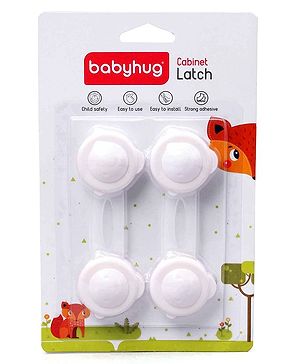
Babyhug Cabinet Latch Pack Of 2 - White
Regular price₹175.00Regular price ₹148.75Regular priceUnit price per₹175.00Sale price ₹148.75 15% OFFSale -
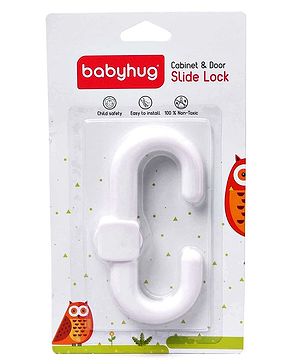
Babyhug Slide Door Lock - White
Regular price₹175.00Regular price ₹131.25Regular priceUnit price per₹175.00Sale price ₹131.25 25% OFFSale -
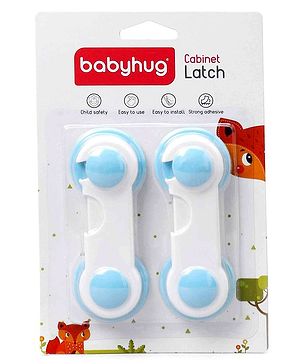
Babyhug Cabinet Latch - Blue
Regular price₹175.00Regular price ₹106.75Regular priceUnit price per₹175.00Sale price ₹106.75 39% OFFSale -
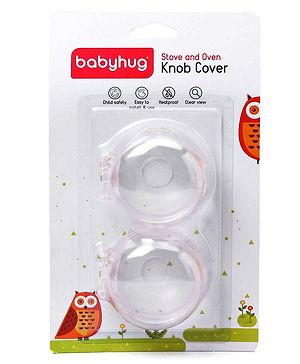
Babyhug Stove Or Oven Knob Cover - White
Regular price₹175.00Regular price ₹96.25Regular priceUnit price per₹175.00Sale price ₹96.25 45% OFFSale -
Babyhug Mirror Slide Lock - White
Regular price₹295.00Regular price ₹109.15Regular priceUnit price per₹295.00Sale price ₹109.15 63% OFFSale
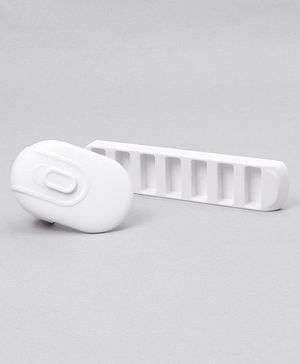
Child Safety Locks for Babies & Toddlers | Secure Cabinets, Doors & More
As babies become mobile, everyday household spaces such as cabinets, drawers, doors and kitchen appliances can become easier for little hands to access. Child safety locks help restrict access to selected areas and objects that may contain unsuitable or potentially dangerous items.
The Babyhug Child Safety Locks collection includes solutions for cabinets, sliding doors, mirrors and stove or oven knobs, giving parents simple ways to add child-resistant protection to commonly accessed areas of the home. The current collection includes cabinet latches, slide door locks, a mirror slide lock and a stove or oven knob cover.
The right child safety lock depends less on the child's age alone and more on what needs to be secured, the surface or object involved, the available installation area and the type of locking mechanism.
Why Are Child Safety Locks Important for Babies?
Babies and toddlers learn by touching, pulling, opening and investigating objects around them. A low cabinet, sliding door or appliance knob that seems harmless to an adult may provide access to cleaning supplies, sharp objects, breakable items or other household hazards.
A child safety lock creates an additional barrier between a curious child and an area that adults need to keep restricted.
They can be particularly useful for:
- Kitchen cabinets and storage spaces
- Drawers containing household items
- Sliding doors
- Mirrors or sliding panels
- Stove and oven knobs
- Other compatible child-accessible storage areas
Child safety locks are a childproofing aid, not a substitute for supervision or safe storage. Dangerous substances, medicines, sharp objects and other hazardous items should still be stored safely and out of children's reach.
Which Child Safety Lock Is Right for Your Home?
The most suitable lock depends on the object you want to secure.
| Product Type | Best Suited For | What to Check |
|---|---|---|
| Cabinet latch | Cabinet doors and selected storage units | Door construction and latch placement |
| Cabinet latch pack | Multiple compatible cabinets | Number of doors and installation space |
| Slide door lock | Sliding doors or panels | Door gap and sliding mechanism |
| Mirror slide lock | Compatible sliding mirror doors or panels | Panel design and available fitting area |
| Stove or oven knob cover | Stove or oven control knobs | Knob shape, size and appliance compatibility |
The Babyhug collection includes these product types, making it easier to choose protection according to the specific household access point rather than using one lock for every application.
Babyhug Cabinet Latches for Childproofing Storage Areas
Cabinet latches are useful when parents want to restrict a child's access to selected cupboards or storage spaces. The collection includes cabinet latch options for securing individual or multiple compatible cabinets.
Before installation, check that the latch is compatible with the cabinet's door construction and that there is enough space for the locking components to engage correctly.
Cabinet locks are particularly useful for areas where children may otherwise reach:
- Cleaning products
- Household tools
- Sharp objects
- Small items
- Breakable items
- Other unsuitable household materials
Babyhug Slide Door Locks for Child Safety
Sliding doors can be difficult to secure with conventional cabinet-style latches because the panels move along a track rather than opening outward. A slide door lock is designed specifically for this type of access point.
The Babyhug collection includes slide door locks, while mirror slide locks are intended for compatible sliding mirror panels or doors.
Before buying, check the door or panel configuration and the space available for the lock. A lock designed for one type of sliding mechanism may not work correctly on another.
Babyhug Stove & Oven Knob Cover for Kitchen Childproofing
Stove and oven controls are different from cabinets because the concern is not simply opening a storage space. A child reaching a control knob may unintentionally activate an appliance.
The Babyhug stove or oven knob cover is designed for this specific childproofing requirement.
Parents should check the shape and dimensions of their appliance knobs before installation and make sure the cover does not interfere with normal adult operation. Childproofing the controls should be combined with safe kitchen practices and supervision.
What Makes a Child Safety Lock Effective?
A child safety lock works well only when the lock, installation method and secured object are compatible. A strong-looking lock may still be unsuitable if it cannot attach correctly or does not engage fully.
Compatible Surface or Object
First identify what you are securing. Cabinet latches, sliding-door locks and knob covers are designed for different applications. Check the product's compatibility with the door, panel, cabinet or appliance before installation.
Reliable Locking Mechanism
The locking mechanism should remain engaged during normal child interaction while still allowing an adult to open the secured area when required.
Correct Installation Method
Installation is just as important as the lock itself. Follow the manufacturer's instructions and ensure all components are firmly positioned and correctly aligned before allowing the child near the secured area.
Adequate Fitting Space
Some locks require a specific amount of surface area, door clearance or panel alignment. Measure the intended installation area where necessary rather than choosing a lock based only on appearance.
Where Should Parents Install Child Safety Locks First?
Start with areas where a child's access could create a significant household hazard.
Kitchen: Prioritize cabinets containing cleaning products, sharp utensils or other unsuitable items, as well as accessible appliance controls.
Bathroom: Secure cabinets or storage spaces containing cleaning products, toiletries or other items that should remain inaccessible to young children.
Living areas: Check low cabinets, drawers and sliding storage units within easy reach.
Bedrooms: Look for accessible drawers or storage spaces containing medicines, cosmetics, small objects or other unsuitable items.
The exact priority depends on the layout of your home and what is stored within each space.
How to Install Child Safety Locks Correctly
A child safety lock is only useful when it is installed and used correctly.
- Identify the access point: Determine whether you need a cabinet latch, sliding-door lock or appliance knob cover.
- Check compatibility: Make sure the product is suitable for the surface, door, panel or knob.
- Clean the installation area: If the product uses adhesive, prepare the surface according to the manufacturer's instructions.
- Position the components accurately: Misalignment can prevent the mechanism from locking properly.
- Allow adhesive systems to set: Follow the recommended waiting period before use.
- Test the lock: Open and close the secured area several times to confirm that the mechanism engages correctly.
- Recheck periodically: Inspect the lock for loosening, damage or reduced effectiveness.
Do not rely on a lock that has become loose, damaged or difficult to engage.
Adhesive vs Other Installation Methods: What Should You Consider?
The installation method should suit both the product and the surface.
Adhesive-based solutions can be convenient where drilling is undesirable, but the surface needs to be suitable and properly prepared for the adhesive to hold effectively. Other locking designs may depend on the structure and alignment of the object being secured.
Before installation, consider:
- Surface material
- Surface condition
- Door or drawer construction
- Available installation space
- Frequency of adult access
- Manufacturer's installation instructions
The strongest option is not necessarily the most appropriate if it is incompatible with the furniture or appliance.
Can Child Safety Locks Prevent Access to Dangerous Objects?
They can help restrict access, but they should not be considered the only layer of protection. Items such as medicines, cleaning chemicals, sharp tools and other dangerous objects should ideally be stored in locations that are inaccessible to children.
A cabinet lock can add an extra barrier to a cupboard, but parents should still review what is stored inside and keep hazardous items appropriately secured.
When Should Parents Start Using Child Safety Locks?
There is no single age at which every home needs the same childproofing setup. Parents often begin securing accessible areas when a baby starts crawling, pulling up, standing, opening drawers or actively exploring the home.
The Babyhug collection carries broad age filters, but these should not be interpreted as the age at which a lock becomes necessary. The need for a safety lock depends primarily on the child's mobility and the hazards present in the home.
Child Safety Lock Safety Checks
After installation, test each secured area from a child's perspective. Check whether the lock can be pulled, pushed, twisted or bypassed and whether the door or drawer can still open enough for a child to reach inside.
Parents should also:
- Check locks regularly for loosening or damage.
- Replace products that no longer engage properly.
- Keep hazardous items away from the edge of shelves and counters.
- Reassess childproofing as the child becomes taller and more capable.
- Follow product-specific installation and usage instructions.
As children develop new ways to reach and manipulate objects, a childproofing setup that worked several months ago may need to be reassessed.
Babyhug Child Safety Locks: What Can You Buy?
The Babyhug collection includes different childproofing solutions for cabinets, sliding doors, mirrors and kitchen appliance controls.
This makes the collection particularly relevant for parents looking to address specific access points around cabinets, sliding doors, mirrors and kitchen appliance controls, rather than buying a large multi-category childproofing kit.
How to Choose the Right Babyhug Child Safety Lock
Use this simple decision process:
Need to secure a cabinet?
Look at a compatible cabinet latch.
Need to restrict access to a sliding door?
Consider a slide door lock designed for the appropriate panel configuration.
Need to secure a sliding mirror?
Check whether a mirror slide lock fits the specific mirror-door design.
Concerned about stove or oven knobs?
Consider a compatible knob cover and verify the appliance-control design before installation.
Need to secure more than one cabinet?
A multi-pack can be useful when the same type of latch is compatible with several storage units.
The key is to select based on the object being secured and the installation requirements, not simply the product name.
Quick Child Safety Lock Buying Checklist
Before adding a lock to your home, check:
- Object compatibility: Is it designed for your cabinet, door, drawer, mirror or appliance?
- Locking mechanism: Does it engage securely and release conveniently for adults?
- Installation method: Is the installation suitable for the surface?
- Fitting space: Is there enough room for correct placement?
- Child access: Is the area actually within your child's reach?
- Hazard level: Does the secured space contain something that needs restricted access?
- Durability: Can the lock withstand normal opening and closing?
- Maintenance: Can you inspect and replace it if the mechanism loosens or wears?
FAQs About Child Safety Locks
What are child safety locks used for?
Child safety locks help restrict babies and toddlers from opening or accessing selected cabinets, doors, drawers or appliance controls that may contain or expose them to household hazards.
What should I lock first when babyproofing my home?
Start with accessible areas containing medicines, cleaning products, sharp objects, small items, appliances or other potentially dangerous materials. Kitchen cabinets and accessible appliance controls are often important priorities.
Which child safety lock is best for cabinets?
A cabinet latch designed to fit the specific cabinet construction is generally the appropriate choice. Check the door configuration, installation area and locking mechanism before buying.
Are slide door locks different from cabinet locks?
Yes. Slide door locks are designed around the movement and configuration of sliding panels, while cabinet latches are intended for compatible cabinet doors or storage units.
Can I use any child safety lock on any cabinet?
No. Compatibility matters. The cabinet's construction, door movement, surface and available installation space should match the lock's design.
Are child safety locks enough to keep dangerous objects away from children?
No. They provide an additional barrier but should be combined with safe storage and supervision. Medicines, chemicals, sharp objects and other hazardous items should be kept appropriately out of children's reach.
When should I start childproofing with safety locks?
Consider installing them when your baby starts crawling, standing, pulling up, opening drawers or otherwise reaching household storage areas.
How often should child safety locks be checked?
Check them periodically and whenever furniture, doors or appliances are moved or used heavily. Replace a lock if it becomes loose, damaged or fails to engage correctly.
Do stove knob covers help with kitchen childproofing?
A compatible knob cover can help restrict a child's access to stove or oven controls. Parents should verify compatibility with their appliance and continue to follow safe kitchen practices.
Are Babyhug child safety locks suitable for every type of furniture?
No. Each lock has specific compatibility and installation requirements. Check the individual Babyhug product details before installing it on a particular cabinet, door, mirror or appliance.