
Feeding Bottles & Teats
 This item is discontinued.
 Explore similar products from our collection.
-
-
-
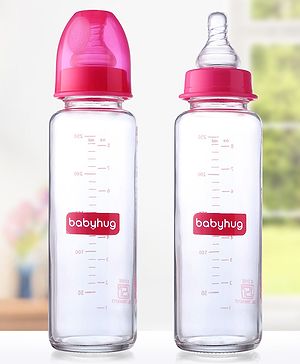
Babyhug SlimSip Glass Feeding Bottle Set | Narrow Neck | Heat-Resistant Borosilicate Glass | Anti-Colic Nipple Pack of 2 Pink - 250 ml Each
Regular price ₹525.00₹525.00Unit price per -
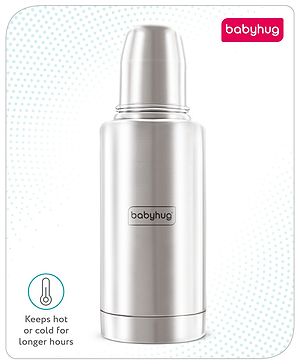
Babyhug Insulated Steel Feeding Bottle - 300 ml
Regular price ₹685.00₹685.00Unit price per -
Babyhug Wide Neck Feeding Bottle Blue - 125 ml
Regular price ₹229.50₹229.50Unit price per -
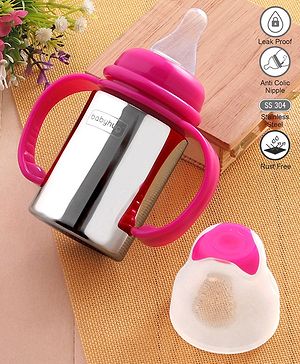
Babyhug Stainless Steel Feeding Bottle with Twin Handles, Pink 150ml| Anti-Colic Nipple| BPA-Free| Rust Free| SS 304 Grade| New Born & Toddlers| Microwave Safe| Leak resistant
Regular price ₹549.78₹549.78Unit price per -
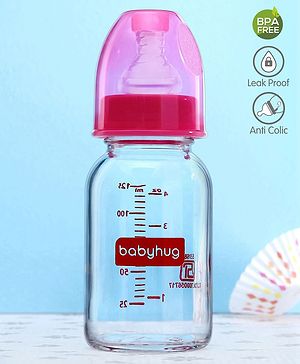
Babyhug BPA-Free Natural Glass Baby Bottle 125 ml, Pink | Anti-Colic Silicone Nipple| Leak-Resistant | Durable | Ideal for Newborns & Toddlers | Travel friendly
Regular price ₹300.90₹300.90Unit price per -
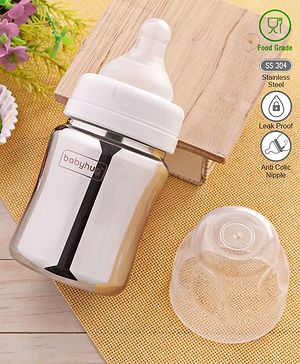
Babyhug Stainless Steel Feeding Bottle with Leak-Proof Cap & Silicone Nipple 200 ml | BPA Free| Durable| Milk Feeding | 304 Grade | Newborn
Regular price ₹549.78₹549.78Unit price per -
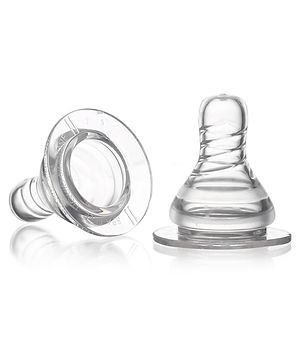
Babyhug Transparent Medium Flow 100% Silicone Nipple - Pack of 2
Regular price ₹100.98₹100.98Unit price per -
Babyhug Bubble Anti-Colic Sterilizable Feeding Bottle Blue - 125 ml | BPA-Free | Leak-Resistant| Silicone | Mimics Natural Feeding | Spirally Grooved
Regular price ₹280.50₹280.50Unit price per -
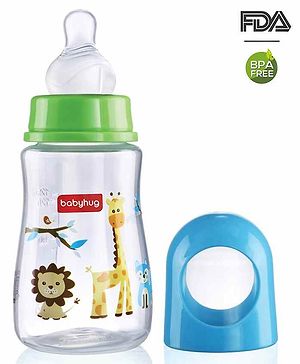
Babyhug Anti-Colic Sterilizable PP Feeding Bottle with Handle Pink 150 ml | BPA-Free | Leak-Resistant| Silicone | Mimics Natural Feeding
Regular price ₹249.90₹249.90Unit price per
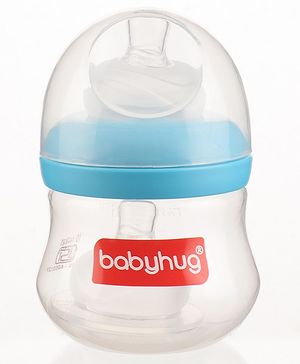
Baby Feeding Bottles & Teats for Newborns, Infants & Toddlers
Choosing the right baby feeding bottle can make everyday feeding more convenient for both babies and parents. Feeding bottles may be used for expressed breast milk, formula feeding or combination feeding, depending on a baby's feeding routine. They are available in different materials, capacities, neck designs, teat shapes and flow levels to suit different stages of feeding.
The Babyhug feeding bottle and teat range includes options such as PP plastic, borosilicate glass and stainless steel bottles, along with wide-neck and standard-neck designs, anti-colic bottles, bottles with handles and replacement silicone nipples. The right choice depends on your baby's feeding stage, bottle material preference, required capacity, teat flow, cleaning routine and how you plan to use the bottle at home or while travelling.
When selecting a feeding bottle, consider your baby's individual feeding needs rather than choosing only by age. Product specifications such as teat flow, bottle capacity, material, sterilisation compatibility and recommended usage should always be checked before use.
What Is a Baby Feeding Bottle?
A baby feeding bottle is a container designed to offer milk or other age-appropriate liquids to babies. A typical feeding bottle consists of a bottle body, teat or nipple, screw ring and protective cap.
Feeding bottles are available in different shapes and materials. Some have a standard neck, while wide-neck bottles have a broader opening. Other designs may include anti-colic features, handles, measurement markings or specialised teat systems.
Babyhug offers feeding bottles in different formats so parents can choose an option according to their baby's feeding stage and their own everyday requirements.
Benefits of Using Baby Feeding Bottles
Supports Flexible Feeding
Feeding bottles can be useful when babies are given expressed breast milk, formula or a combination of breastfeeding and bottle feeding. They can also allow another parent or caregiver to participate in feeding.
Helps Monitor Feed Quantity
Feeding bottles with measurement markings can help parents see the approximate amount of liquid in the bottle. This can be useful when preparing or checking a feed according to the appropriate feeding instructions.
Useful for Combination Feeding
Parents who combine breastfeeding with bottle feeding may use bottles as part of their regular feeding routine. The choice of bottle can depend on the baby's acceptance, teat flow and the family's preferred feeding method.
Convenient for Travel and Outings
A feeding bottle can be packed in a diaper bag for outings or travel. Lightweight bottles, secure caps and leak-resistant designs can make carrying feeding equipment more convenient.
Types of Baby Feeding Bottles
Standard Feeding Bottles
Standard feeding bottles have a conventional bottle shape and are designed for everyday feeding. They are available in different materials and capacities to suit different feeding routines.
A standard bottle can be a practical option for parents who prefer a familiar bottle design and have access to compatible replacement teats.
Wide-Neck Feeding Bottles
Wide-neck feeding bottles have a broader opening than many standard-neck bottles. The wider opening can make filling and cleaning easier, depending on the specific design.
The Babyhug Wide Neck Sterilizable Polypropylene Feeding Bottle - 250 ml is an example of a wide-neck PP bottle. Wide-neck options are also available in glass and other bottle formats within the collection.
Angled Feeding Bottles
Angled feeding bottles have a tilted or curved bottle design intended to position the teat differently during feeding. Parents considering this type should focus on how comfortable the bottle is to hold and whether the design suits their baby's feeding routine.
As with any feeding bottle, the bottle should be used according to the manufacturer's instructions and your baby's feeding needs.
Anti-Colic Feeding Bottles
Anti-colic feeding bottles incorporate design features intended to manage air intake during feeding. These may include vented teats or other airflow systems.
Anti-colic features may be useful for some babies, but they should not be considered a guarantee against gas, colic, reflux or feeding discomfort. If your baby regularly experiences feeding difficulties or discomfort, consult a paediatrician or qualified healthcare professional.
The Babyhug Anti-Colic Sterilizable PP Feeding Bottle with Handle - 150 ml is one example of a PP bottle with an anti-colic design and silicone teat.
Feeding Bottles with Handles
Handles can make it easier for babies to grip a bottle as they develop their ability to hold objects. They can also provide parents with another way to hold the bottle during feeding.
The Babyhug Stainless Steel Feeding Bottle with Twin Handles - 150 ml is designed with two handles and a stainless steel bottle body, making it an option for parents looking for a bottle with an easy-grip design.
Baby Feeding Bottle Materials
Feeding bottles are available in several materials, with each option offering different practical characteristics. The choice often depends on weight, durability, visibility, handling and cleaning preferences.
PP Plastic Feeding Bottles
Polypropylene, commonly known as PP, is a lightweight plastic material used in many baby feeding bottles. PP bottles can be convenient for everyday use and travel because they are generally lighter than glass and stainless steel alternatives.
The Babyhug Wide Neck Sterilizable Polypropylene Feeding Bottle - 250 ml is one example of a PP feeding bottle. The range also includes anti-colic PP bottles with handles.
Glass Feeding Bottles
Glass feeding bottles provide a rigid and transparent bottle body. Borosilicate glass is used in selected feeding bottles because of its resistance to temperature changes when used according to the manufacturer's instructions.
Glass bottles are heavier than many plastic bottles and can break if dropped. Parents should inspect glass bottles regularly and discontinue use if the bottle develops a crack, chip or other damage.
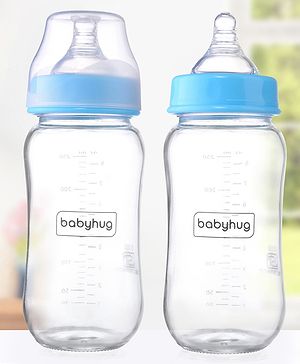
The Babyhug Gentle Flow Wide Neck Feeding Bottles are made from heat-resistant borosilicate glass and feature anti-colic silicone nipples, measurement markings and leak-resistant construction.
Stainless Steel Feeding Bottles
Stainless steel feeding bottles provide a durable alternative to plastic and glass. They can be useful for parents who prefer a robust bottle body for regular use or travel.
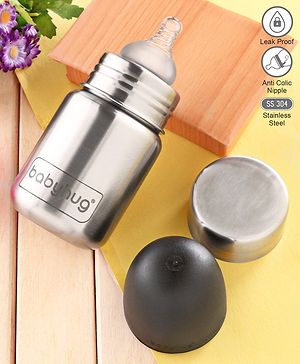
The Babyhug Stainless Steel Feeding Bottle - 200 ml is made with 304-grade stainless steel and features an anti-colic design. Another option, the Babyhug Stainless Steel Feeding Bottle with Twin Handles - 150 ml, combines stainless steel construction with twin handles.
PP vs Glass vs Stainless Steel Feeding Bottles
| Material | Potential Advantages | Things to Consider |
|---|---|---|
| PP Plastic | Lightweight and convenient for everyday use and travel | May show scratches or wear over time |
| Borosilicate Glass | Rigid, transparent bottle body and suitable for specified temperature conditions | Heavier and breakable if dropped |
| Stainless Steel | Durable and suitable for regular use | Opaque body makes liquid level less visible |
There is no single bottle material that is best for every family. Choose according to your baby's feeding routine, how you use the bottle and your preferences for weight, durability and cleaning.
Glass vs Stainless Steel Feeding Bottles
Both glass and stainless steel can be considered when parents prefer a durable alternative to lightweight plastic. The practical difference is mainly in weight, transparency and handling.
Glass allows parents to see the liquid level easily and selected borosilicate glass bottles are designed for temperature changes. However, glass is heavier and can break if dropped.
Stainless steel is durable and less likely to break when dropped, but its opaque body makes the liquid level less visible. Stainless steel can therefore be a practical choice for travel or parents who prioritise durability.
Babyhug offers both borosilicate glass and 304-grade stainless steel feeding bottle options, allowing parents to choose according to their requirements.
Understanding Baby Bottle Teats & Nipple Flow
The teat or nipple is one of the most important components of a feeding bottle because its opening influences the speed at which milk or liquid flows.
Common flow categories include:
- Slow flow: Generally used for younger babies when a slower flow is appropriate.
- Medium flow: Often considered as babies develop stronger sucking and feeding skills.
- Fast flow: Intended for babies who are ready to manage a faster flow.
Flow recommendations vary between manufacturers and products, so age should be treated as general guidance rather than a strict rule.
Observe your baby's feeding behaviour and follow the teat manufacturer's recommendations. If your baby frequently coughs, splutters, struggles with feeding or appears uncomfortable, seek advice from a paediatrician or qualified feeding professional.
Slow, Medium & Fast Flow Teats
Slow Flow Teats
Slow-flow teats are generally designed for younger babies who are still developing their feeding coordination. A slower flow can allow a baby more time to manage the liquid.
Medium Flow Teats
Medium-flow teats can be considered as babies become more experienced with bottle feeding. The right time to move to medium flow depends on the baby's feeding ability rather than age alone.
The Babyhug Transparent Medium Flow 100% Silicone Nipple - Pack of 2 is a replacement teat option for parents whose compatible feeding bottles require a medium-flow nipple.
Fast Flow Teats
Fast-flow teats allow liquid to pass through more quickly and may be suitable for babies who have developed the ability to manage a faster flow.
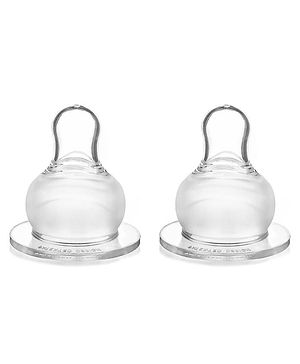
The Babyhug Fast Flow Silicone Nipples for Feeding Bottles - Pack of 2 are replacement silicone nipples designed for compatible feeding bottles.
Always confirm compatibility before purchasing a replacement teat and avoid changing to a faster flow simply because your baby has reached a particular age.
When Should You Change the Bottle Teat Flow?
There is no universal point at which every baby needs a faster teat. Some babies may remain comfortable with a particular flow for longer, while others may need a different flow as their feeding skills develop.
Parents may review the teat flow if:
- Feeds consistently take much longer than expected
- Your baby appears frustrated during feeding
- Your baby repeatedly struggles to manage the flow
- The teat appears damaged or worn
- Your baby's feeding pattern has changed significantly
If the flow appears too fast or too slow, speak with your paediatrician or feeding professional before making repeated changes.
Baby Feeding Bottles by Age & Feeding Stage
Baby feeding requirements change as children grow. Bottle capacity, teat flow and the way a baby holds and uses a bottle may change over time.
| Age / Stage | What Parents May Consider | Important Point |
|---|---|---|
| 0–3 Months | Smaller-capacity bottle and slow-flow teat | Choose a flow your newborn can comfortably manage |
| 3–6 Months | Medium-capacity bottle and appropriate flow | Consider your baby's feeding ability and cues |
| 6–12 Months | Larger-capacity bottle or age-appropriate cup | Consider developing drinking skills |
| 12+ Months | Appropriate bottle, sipper or cup | Transition according to your child's readiness |
These age ranges are general guidance and should not replace the manufacturer's instructions or professional feeding advice.
Feeding Bottles for Newborns
Newborn feeding requires particular attention to teat flow, feeding position and bottle hygiene. A smaller-capacity bottle can be convenient for early feeds, although the amount and frequency of feeding should be based on your baby's individual needs.
The Babyhug BPA-Free Natural Glass Baby Bottle - 125 ml is one option designed for newborn and toddler use and features an anti-colic silicone nipple.
Parents who prefer stainless steel can consider options such as the Babyhug Stainless Steel Feeding Bottle with Leak-Proof Cap & Silicone Nipple - 200 ml, which uses 304-grade stainless steel.
Feeding Bottles for 3 to 6 Months
As babies grow, their feeding volume and sucking ability can change. Parents may consider bottles with a slightly larger capacity or review whether the existing teat flow continues to suit the baby.
Do not change teat flow solely because your baby has reached a certain month. Look at feeding behaviour and follow the manufacturer's flow recommendations.
Feeding Bottles for 6 to 12 Months
During this stage, babies may become more interested in holding bottles and developing independent drinking skills. Bottles with handles can be considered when appropriate for the child's development.
The Babyhug Stainless Steel Feeding Bottle with Twin Handles - 150 ml is an example of a bottle designed with twin handles to support gripping.
Feeding Bottles for Toddlers
As children become toddlers, parents may continue using bottles as part of their routine or gradually introduce cups and sippers. The transition should take the child's development and feeding habits into account.
For toddlers who still use bottles, parents may consider a suitable capacity, comfortable grip, secure cap and an appropriate teat or drinking system.
Wide-Neck vs Standard-Neck Feeding Bottles
| Feature | Wide-Neck Bottle | Standard-Neck Bottle |
|---|---|---|
| Opening | Broader bottle opening | Narrower bottle opening |
| Filling | Can be convenient for filling | May require more careful pouring |
| Cleaning | Broad opening can provide easier access | May require a suitable bottle brush |
| Replacement parts | Requires compatible wide-neck components | Requires compatible standard-neck components |
The choice between wide-neck and standard-neck bottles is largely a matter of feeding preference, cleaning convenience and compatibility with available teats.
What Does Anti-Colic Mean in a Baby Feeding Bottle?
An anti-colic feeding bottle generally includes a venting feature designed to manage airflow during feeding. The aim is to reduce the amount of air that may be swallowed during feeding.
However, babies can experience gas, reflux or colic for many different reasons. An anti-colic bottle should therefore not be considered a guaranteed solution for digestive discomfort.
Babyhug offers anti-colic feeding bottles in different materials, including PP, glass and stainless steel. Parents should select the bottle according to their baby's feeding requirements and the product's instructions.
Feeding Bottles for Expressed Breast Milk
Feeding bottles can be used to offer expressed breast milk when bottle feeding forms part of a baby's feeding routine. Parents should follow appropriate breast milk expression, storage and handling practices.
When choosing a bottle for expressed milk, consider the bottle capacity, teat flow, ease of cleaning and whether the bottle fits your feeding and storage routine.
Feeding Bottles for Formula Feeding
Feeding bottles are commonly used to offer prepared infant formula. Formula should always be prepared, stored and discarded according to the instructions provided with the formula and applicable professional guidance.
When selecting a bottle for formula feeding, look for a design that is easy to clean and assemble, with a suitable teat flow and capacity for your baby's feeding routine.
How to Choose the Right Baby Feeding Bottle
The right feeding bottle depends on your baby's feeding stage, comfort and your family's daily routine.
For Newborns
Consider a smaller-capacity bottle and a teat flow that your newborn can comfortably manage. Anti-colic features may also be considered if they suit your baby's feeding routine.
For Easy Cleaning
Wide-neck bottles can provide easier access to the inside of the bottle. Regardless of the neck style, the bottle should be fully disassembled and cleaned after use.
For Travel
Lightweight PP bottles can be convenient to carry. Secure caps and leak-resistant construction can also be useful when packing feeding bottles in a diaper bag.
For Parents Who Prefer Glass
Borosilicate glass can be considered when parents prefer a rigid and transparent bottle body. Glass bottles should always be handled carefully because they can break if dropped.
For Durability
Stainless steel can be a practical option for parents who prioritise a durable bottle body, particularly for regular use or travel.
For Growing Babies
Bottles with handles can be considered when babies begin developing the ability to grip and hold objects independently.
What Bottle Capacity Should You Choose?
The ideal bottle capacity depends on your baby's feeding volume and how the bottle will be used. Smaller bottles can be convenient during early feeding stages, while larger bottles may be useful as feeding volumes increase.
Babyhug offers different bottle capacities across its feeding bottle range, including smaller bottles for early feeding and larger options for growing babies.
Baby Feeding Bottles with Measurement Markings
Measurement markings can make it easier to see the approximate amount of liquid inside a bottle. They can be useful when preparing or checking a feed according to appropriate instructions.
The Babyhug Gentle Flow Wide Neck Feeding Bottles feature a measuring scale, making it easier to identify the approximate quantity of liquid inside the transparent bottle.
Parents should always follow the instructions provided for preparing formula or handling expressed breast milk rather than relying only on bottle markings.
How to Clean Baby Feeding Bottles
Proper cleaning is an important part of feeding-bottle hygiene. Milk residue can remain inside the bottle, teat or ring if the components are not cleaned thoroughly.
A general cleaning routine includes:
- Disassemble the bottle completely after feeding.
- Separate the bottle body, teat, screw ring and cap.
- Rinse the components to remove remaining milk.
- Wash each component thoroughly using an appropriate cleaning method.
- Clean the teat opening and any vent carefully.
- Rinse all components properly.
- Allow them to dry completely in a clean area.
- Reassemble only after the components are clean and dry.
Always follow the cleaning instructions supplied with the individual bottle because materials and components can have different care requirements.
How to Sterilise Feeding Bottles
Sterilisation requirements depend on the baby's age, feeding circumstances and the manufacturer's instructions. Some bottles are specifically designed to be sterilised, while others may have different care requirements.
Babyhug offers selected bottles that are listed as sterilizer safe, including certain PP and glass options.
Some Babyhug Gentle Flow glass bottles are also listed as microwave and sterilizer safe. However, parents should always verify the individual product instructions before using a microwave, steam sterilizer or boiling method.
Microwave-Safe Feeding Bottles
Not every feeding bottle is suitable for microwave use. Microwave compatibility depends on the specific bottle, material and manufacturer's instructions.
Selected Babyhug Gentle Flow glass feeding bottles are listed as microwave safe. Always follow the product-specific instructions and never assume that another bottle made from the same material has identical microwave compatibility.
How Often Should Feeding Bottles Be Replaced?
There is no single replacement schedule that applies to every feeding bottle. The bottle body and teat should be inspected separately.
Replace a teat if you notice:
- Cracks or tears
- Thinning or deformation
- Bite marks
- Changes in the teat opening
- Other visible damage
Also inspect the bottle body for cracks, chips, deep scratches, dents or damaged threads. Glass bottles should be replaced immediately if cracked or chipped.
Common Feeding Bottle Mistakes to Avoid
- Choosing a teat flow without considering your baby's feeding ability
- Using a damaged or worn teat
- Not cleaning the bottle thoroughly after feeding
- Assuming every bottle can be sterilised using the same method
- Using an incompatible replacement teat
- Ignoring leaks or damaged components
- Choosing a bottle only by capacity without considering material and design
- Leaving a baby unattended with a bottle
- Propping a bottle instead of actively supervising feeding
Tips for Safe Baby Bottle Feeding
Safe bottle feeding involves both the feeding equipment and how it is used. Parents and caregivers should remain attentive throughout feeding.
- Hold and supervise your baby during bottle feeding.
- Avoid propping the bottle or leaving the baby alone with it.
- Check the temperature of the feed before offering it.
- Use a teat flow appropriate for your baby's feeding ability.
- Inspect the bottle and teat before each use.
- Clean feeding equipment promptly after use.
- Follow the manufacturer's sterilisation instructions.
- Prepare and store formula or expressed breast milk according to appropriate guidance.
If your baby frequently coughs, chokes, refuses feeds, has persistent feeding difficulties or appears uncomfortable during feeding, consult a paediatrician or qualified healthcare professional.
Baby Feeding Bottles for Travel
A feeding bottle for travel should be convenient to carry, easy to clean and suitable for your baby's regular feeding routine.
Parents may consider:
- Lightweight construction
- Secure protective cap
- Leak-resistant design
- Suitable bottle capacity
- Easy cleaning
- Compatible replacement teats
PP bottles can be convenient when weight is an important consideration, while stainless steel bottles may appeal to parents looking for a durable option. Glass bottles can also be used for travel when adequately protected from impact.
Feeding Bottles for Working Parents
Parents who combine breastfeeding with expressed milk or formula feeding may prefer bottles that are easy to clean, store and transport.
When choosing a feeding bottle for a busy routine, consider:
- How many bottles are required each day
- Ease of cleaning
- Sterilisation compatibility
- Leak-resistant construction
- Bottle capacity
- Availability of replacement teats
- Ease of carrying
Having compatible replacement teats available can also be useful when a teat becomes worn or when a different flow becomes appropriate.
Glass Feeding Bottles: What Parents Should Know
Glass feeding bottles provide a rigid and transparent bottle body. Borosilicate glass is used in selected feeding bottles because it is designed to handle specified temperature changes when used correctly.
Glass bottles are heavier than PP bottles and can break if dropped. Parents should inspect them before use and discontinue use immediately if there are cracks, chips or other signs of damage.
Stainless Steel Feeding Bottles: What Parents Should Know
Stainless steel bottles are durable and can be useful for everyday use and travel. Because the bottle body is opaque, parents cannot see the liquid level as easily as they can with a transparent glass or plastic bottle.
Babyhug offers stainless steel feeding bottles made with 304-grade stainless steel. Options include bottles with anti-colic designs and models with twin handles.
PP Feeding Bottles: What Parents Should Know
PP is a lightweight plastic material commonly used for baby feeding bottles. PP bottles can be practical for daily feeding and travel because of their lighter weight.
Parents should inspect PP bottles regularly for scratches, cracks or other signs of wear and follow the manufacturer's care instructions.
The Babyhug Anti-Colic Sterilizable PP Feeding Bottle with Handle - 150 ml combines a PP bottle body with an anti-colic design, silicone teat and handle.
How to Choose Between Wide-Neck and Standard-Neck Bottles
Consider how you prefer to fill, clean and assemble your feeding bottle. Wide-neck bottles can provide easier access to the bottle interior, while standard-neck bottles offer a more traditional bottle format.
Replacement teat availability is also important. A replacement nipple must be compatible with the bottle neck and screw ring, so parents should check compatibility before purchasing.
How Many Feeding Bottles Do You Need?
The number of feeding bottles required depends on how often bottles are used, how frequently they are cleaned and whether the baby is exclusively bottle-fed or combination-fed.
Families using bottles several times a day may prefer to keep multiple bottles available so that a clean bottle is ready when required. Parents using bottles occasionally may need fewer.
Feeding Bottle Buying Checklist
Before buying a baby feeding bottle, check the following:
- Bottle material
- Bottle capacity
- Teat material and flow
- Neck type
- Anti-colic design, if required
- Handle design, if required
- Measurement markings
- Leak-resistant construction
- Sterilisation compatibility
- Microwave compatibility, where applicable
- Cleaning instructions
- Replacement teat availability
- Recommended age and usage
Always review the individual product information because bottle capacity, material, teat flow, sterilisation compatibility and other features can vary between models.
Choosing a Feeding Bottle Based on Your Routine
| Your Priority | Features to Consider |
|---|---|
| Newborn feeding | Smaller capacity and suitable slow-flow teat |
| Easy cleaning | Wide-neck opening and fewer difficult-to-clean components |
| Travel | Lightweight body, secure cap and leak-resistant construction |
| Durability | Stainless steel construction |
| Transparent bottle body | Glass or clear plastic |
| Independent gripping | Handles where developmentally appropriate |
| Air-management features | Anti-colic vent or teat design |
| Replacement needs | Compatible replacement teats in appropriate flow levels |
Why Consider the Babyhug Feeding Bottle Range?
The Babyhug feeding bottle range offers parents different options across materials, capacities, neck designs and feeding features. This allows families to choose a bottle based on their baby's stage and their everyday feeding routine rather than relying on a single bottle format.
For parents who prefer glass, the Babyhug Gentle Flow Wide Neck Feeding Bottles combine heat-resistant borosilicate glass with anti-colic silicone nipples, measurement markings and leak-resistant construction.
For lightweight everyday feeding, the Babyhug Anti-Colic Sterilizable PP Feeding Bottle with Handle - 150 ml combines a PP body, silicone teat and handle.
For parents who prefer stainless steel, the Babyhug Stainless Steel Feeding Bottle - 200 ml uses 304-grade stainless steel, while the Babyhug Stainless Steel Feeding Bottle with Twin Handles - 150 ml adds twin handles for gripping.
Parents looking for replacement components can also choose compatible Babyhug silicone teats in different flow options. Always check the bottle model and compatibility requirements before purchasing a replacement nipple.
Frequently Asked Questions About Baby Feeding Bottles
What is a baby feeding bottle used for?
A baby feeding bottle can be used to offer expressed breast milk, formula or other age-appropriate liquids as part of a baby's feeding routine.
How do I choose the right feeding bottle?
Consider your baby's feeding stage, bottle material, capacity, teat flow, neck design, anti-colic features, ease of cleaning and sterilisation requirements. You should also check the product's specific age and usage guidance.
Which feeding bottle is best for newborns?
There is no single bottle that is best for every newborn. Consider a bottle with an appropriate capacity and a teat flow that your baby can comfortably manage. The bottle should also be easy to clean and use according to the manufacturer's instructions.
What bottle size is suitable for a newborn?
Smaller bottles can be convenient for newborn feeds, but the appropriate capacity depends on your baby's feeding routine. Babyhug offers smaller-capacity feeding bottles in selected designs.
What is an anti-colic feeding bottle?
An anti-colic feeding bottle includes a venting or airflow feature designed to manage air intake during feeding. It may help some babies feed more comfortably, but it cannot guarantee prevention of gas, colic or reflux.
Are glass feeding bottles safe?
Glass feeding bottles can be used safely when handled according to the manufacturer's instructions. Because glass can break, inspect the bottle regularly and replace it immediately if you notice a crack or chip.
Are stainless steel feeding bottles suitable for babies?
Stainless steel feeding bottles can be suitable when they are designed for infant feeding and used according to the manufacturer's instructions. Babyhug offers selected feeding bottles made from 304-grade stainless steel.
Are PP feeding bottles good for everyday use?
PP bottles can be a lightweight and practical option for everyday feeding and travel. Inspect the bottle regularly for scratches, cracks or other signs of wear.
What is the difference between wide-neck and standard-neck feeding bottles?
Wide-neck bottles have a broader opening, which can make filling and cleaning convenient. Standard-neck bottles have a narrower opening and require compatible standard-neck teats and components.
What teat flow should I use for my baby?
Teat flow should be appropriate for your baby's feeding ability and the manufacturer's recommendations. Slow, medium and fast-flow teats are commonly available, but age should not be the only factor considered.
When should I change to a faster-flow teat?
Review the teat flow if your baby consistently appears frustrated with the current flow or has difficulty managing it. A faster flow should not be introduced solely because your baby has reached a particular age.
Does a faster-flow teat mean faster feeding?
A faster-flow teat allows liquid to pass through more quickly, but it is not necessarily appropriate for every baby. The flow should match your baby's ability to coordinate sucking, swallowing and breathing.
What are signs that a teat needs replacing?
Look for cracks, tears, thinning, deformation, bite marks, changes in the teat opening or other visible damage. Replace damaged teats before further use.
Can I use a replacement teat with any feeding bottle?
No. Replacement teats need to be compatible with the bottle's neck, screw ring and design. Check compatibility before purchasing a replacement nipple.
Does the collection include replacement teats?
Yes. Babyhug offers replacement silicone teats in different flow options, including medium-flow and fast-flow designs. Check the individual product information to confirm compatibility with your feeding bottle.
How often should I replace a baby bottle teat?
There is no universal replacement schedule. Inspect the teat regularly and replace it when you notice damage, thinning, deformation or other signs of wear. Follow the manufacturer's recommendations where provided.
How should I clean a feeding bottle?
Disassemble the bottle and wash the bottle body, teat, screw ring and cap thoroughly after use. Pay particular attention to the teat opening and any vent. Rinse the components and allow them to dry completely.
Can feeding bottles be sterilised?
Some feeding bottles are designed to be sterilised, but the correct method depends on the material and product instructions. Always check whether the specific bottle is suitable for boiling, steam sterilisation or another method.
Are Babyhug glass feeding bottles sterilizer safe?
Selected Babyhug GentleFlow glass feeding bottles are listed as sterilizer safe. Always check the individual product instructions before sterilising any bottle.
Can feeding bottles be used in a microwave?
Only use a feeding bottle in a microwave when the specific product is explicitly listed as microwave safe. Follow the manufacturer's instructions and never assume that all bottles made from the same material have identical microwave compatibility.
Can feeding bottles be used for expressed breast milk?
Yes. Feeding bottles can be used to offer expressed breast milk. Follow appropriate guidance for expressing, storing, handling and feeding breast milk.
Can feeding bottles be used for formula?
Yes. Feeding bottles can be used for prepared infant formula. Follow the formula manufacturer's preparation, storage and discard instructions carefully.
How do I prevent leaks from a feeding bottle?
Ensure that the teat, screw ring and cap are assembled correctly and securely. Check that the components are undamaged and that the teat is compatible with the bottle.
Are bottles with handles useful for babies?
Handles can make it easier for some babies to grip a bottle as they develop their ability to hold objects. Choose a design appropriate for your baby's development and always supervise feeding.
What is the benefit of measurement markings?
Measurement markings make it easier to see the approximate quantity of liquid inside the bottle. They can be useful when preparing or checking a feed according to appropriate instructions.
Are feeding bottles useful for travel?
Yes. Feeding bottles can be useful during travel, particularly when they are easy to carry, have secure caps and can be cleaned properly.
Which bottle material is easiest to carry?
PP bottles are generally lightweight and can be convenient for travel. Glass bottles are heavier and breakable, while stainless steel bottles are durable but can also weigh more than PP options.
How many feeding bottles should I buy?
The number depends on how frequently your baby uses bottles, how often you clean them and whether you are combination feeding or using bottles for most feeds. Families who use bottles frequently may find it convenient to keep several clean bottles available.
When should babies transition from a bottle to a cup?
The timing varies between children. As your baby develops drinking skills, you can gradually introduce an age-appropriate cup or sipper according to your child's readiness and feeding routine.
What should I check before buying a baby feeding bottle online?
Check the bottle material, capacity, teat flow, neck type, anti-colic features, handle design, measurement markings, leak-resistant construction, sterilisation compatibility, microwave compatibility where applicable, cleaning instructions and replacement teat availability.
What features does the Babyhug GentleFlow feeding bottle have?
The Babyhug GentleFlow Wide Neck Feeding Bottles are made from heat-resistant borosilicate glass and feature anti-colic silicone nipples, leak-resistant construction and measurement markings. Selected versions are listed as microwave and sterilizer safe.
What features does the Babyhug Anti-Colic PP feeding bottle have?
The Babyhug Anti-Colic Sterilizable PP Feeding Bottle with Handle - 150 ml features a PP bottle body, silicone teat, handle and anti-colic design. It is intended to provide a lightweight feeding option with an easy-grip format.
Does Babyhug offer stainless steel feeding bottles?
Yes. Babyhug offers stainless steel feeding bottles, including selected models made with 304-grade stainless steel. Options include designs with anti-colic features and twin handles.
Does Babyhug offer replacement bottle teats?
Yes. Babyhug offers replacement silicone nipples in different flow options, including medium-flow and fast-flow teats. Always check compatibility with your existing bottle before purchasing.
What should I do if my baby struggles with bottle feeding?
Check whether the teat flow, feeding position and bottle assembly are appropriate. If your baby repeatedly coughs, chokes, refuses feeds or appears uncomfortable, consult a paediatrician or qualified feeding professional for personalised guidance.