
Baby Carriers
 This item is discontinued.
 Explore similar products from our collection.
-
Babyhug Imperial 5-in-1 Baby Carrier with Hip Seat: Front, back & hip carrying positions, Adjustable head support, Padded straps, Breathable fabric, Pressure-relieving waist belt, Side storage pockets, Supports up to 15kg- Grey
Regular price₹2,195.00Regular price ₹1,404.80Regular priceUnit price per₹2,195.00Sale price ₹1,404.80 36% OFFSale -
Babyhug Harmony 9-in-1 Ergonomic Baby Carrier with Hip Seat: Breathable fabric, Detachable hood, Padded straps, Pocket storage, and 9 carrying positions for babies up to 15 kg-Grey
Regular price₹3,095.00Regular price ₹2,847.40Regular priceUnit price per₹3,095.00Sale price ₹2,847.40 8% OFFSale -
Babyhug CuddleNest 3 in 1 Ergonomic Baby Carrier - Green| Ideal for Carrying 3.6-15 kg Babies Age 5-36 mons| Paded Legopening| Optimal Weight Distribution| Adjustable Safety Buckle| Breathable Fabric
Regular price₹2,299.00Regular price ₹1,333.42Regular priceUnit price per₹2,299.00Sale price ₹1,333.42 42% OFFSale -
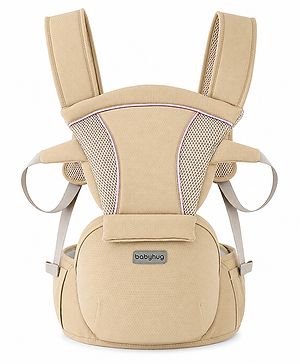
Babyhug Love Loom 5-in-1 Hip Seat Baby Carrier - Beige| Ergonomic Hip Seat| Breathable Fabric| Foldable Head Support| Storage Pocket| 5 Carrying Positions| Capacity 15 kg| Optimal Weight Distribution
Regular price₹2,299.00Regular price ₹1,540.33Regular priceUnit price per₹2,299.00Sale price ₹1,540.33 33% OFFSale -
Babyhug Little Voyager Hip Seat Baby Carrier - 100% Polyester, 3 Positions (Inward, Outward, Back Carrying), Ergonomic Design for 4-36 Months (3.5-14.9kg), Adjustable Lumbar Belt, Lightweight, Free Size, Hand Washable - Grey
Regular price₹3,199.00Regular price ₹1,663.48Regular priceUnit price per₹3,199.00Sale price ₹1,663.48 48% OFFSale -
Babyhug Adore 5-in-1 Hip Seat Baby Carrier: Ergonomic, Breathable fabric, Padded straps, Foldable headrest, Secure waist belt, 5 carry positions, and storage pockets for babies up to 15 kg-Green
Regular price₹2,895.00Regular price ₹2,663.40Regular priceUnit price per₹2,895.00Sale price ₹2,663.40 8% OFFSale -
Babyhug Cherish 5-in-1 Hip Seat Baby Carrier: Ergonomic design with padded straps, Breathable fabric, Foldable head support, storage pockets, and 5 carrying positions for babies up to 15 kg-Grey
Regular price₹2,999.00Regular price ₹2,159.28Regular priceUnit price per₹2,999.00Sale price ₹2,159.28 28% OFFSale -
Babyhug Elegant 3-in-1 Baby Carrier: Lightweight, Breathable fabric, Ergonomic design, Padded straps, Waist belt, 3 carry positions (inward, outward, back), Adjustable seat, Washable cover, Supports up to 15 kg- Grey
Regular price₹1,999.00Regular price ₹1,139.43Regular priceUnit price per₹1,999.00Sale price ₹1,139.43 43% OFFSale -
Babyhug SnugMate 5-in-1 Hip Seat Baby Carrier - Khaki| Premium Build| AirFlow Mesh Fabric| Foldable Head Cover| Padded Adjustable Straps| 5 Carry Positions| 15 kg Capacity| Optimum Weight Distribution
Regular price₹2,499.00Regular price ₹1,299.48Regular priceUnit price per₹2,499.00Sale price ₹1,299.48 48% OFFSale -
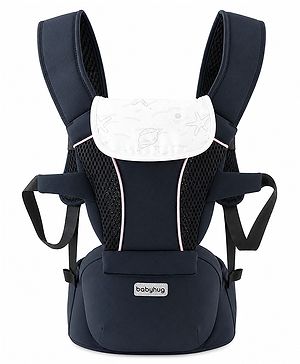
Babyhug SnugMate 5-in-1 Hip Seat Baby Carrier - Black| Premium Build| AirFlow Mesh Fabric| Foldable Head Cover| Padded Adjustable Straps| 5 Carry Positions| 15 kg Capacity| Optimum Weight Distribution
Regular price₹2,499.00Regular price ₹1,799.28Regular priceUnit price per₹2,499.00Sale price ₹1,799.28 28% OFFSale -
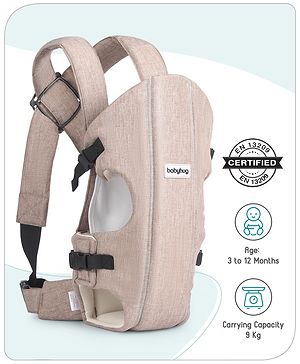
Babyhug Travel Nest Baby Carrier - 100% Polyester, 3 Carrying Positions (Inward Facing, Outward Facing, Back Carrying), Adjustable Straps, Lightweight Free Size (3.5-9kg, 3-12 Months), Hand Washable - Beige
Regular price₹1,699.00Regular price ₹1,189.30Regular priceUnit price per₹1,699.00Sale price ₹1,189.30 30% OFFSale -
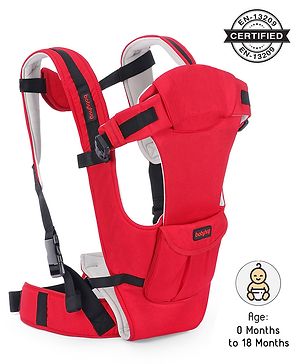
Babyhug Joy Bundle 4-in-1 Premium Baby Carrier : Lightweight, Breathable, Ergonomic design, 4 carrying positions, Head and neck support, Storage pocket, and Adjustable straps for babies up to 12 kg-Red
Regular price₹2,495.00Regular price ₹2,295.40Regular priceUnit price per₹2,495.00Sale price ₹2,295.40 8% OFFSale
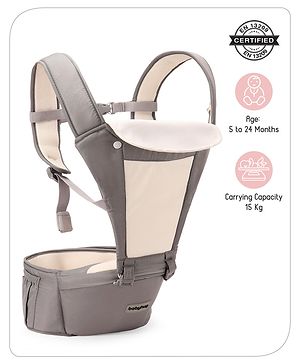
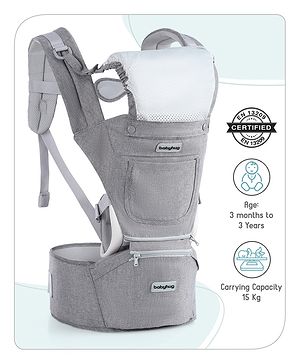
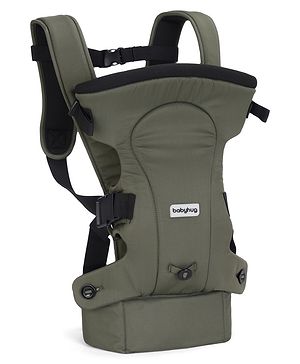
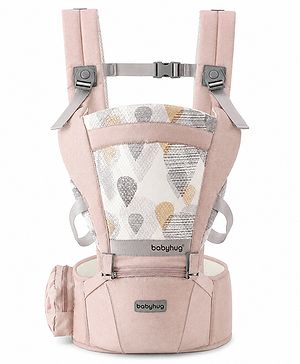
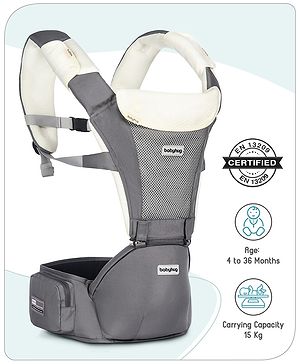
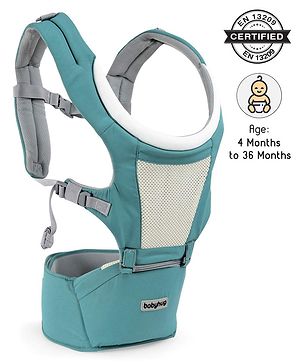
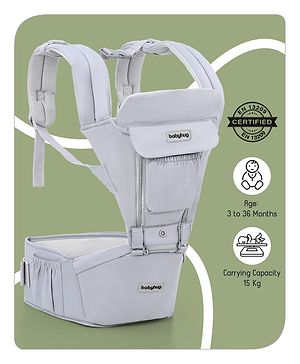
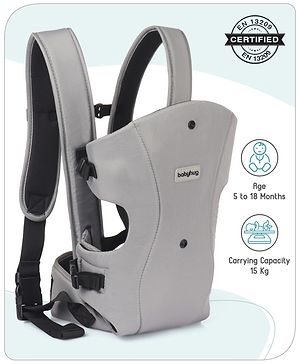
Baby Carriers Designed for Comfort, Closeness & Everyday Adventures
At Babyhug, we understand that parents want to keep their little ones close while still having the freedom to move through the day. Our baby carriers are designed to make everyday carrying more comfortable, convenient and reassuring—for both you and your baby.
Whether you're heading out for a walk, travelling, shopping or simply getting things done at home, a baby carrier can help you stay close to your little one while keeping your hands free. Explore Babyhug baby carriers in a range of designs, including ergonomic carriers, hip seat carriers and multi-position options, with features designed around the needs of growing babies and parents.
When choosing a baby carrier, consider your baby's age, weight, developmental stage and the carrying position you prefer. Look for a design that provides appropriate support, fits comfortably and is easy to adjust as your baby grows.
Why Do Parents Use Baby Carriers?
There are days when you want your baby close and your hands free. A baby carrier makes it easier to do both.
Parents choose baby carriers for everyday activities such as travelling, shopping, household tasks and outdoor walks. Depending on the design, a carrier can also offer different carrying positions as your baby grows.
Some of the benefits parents look for include:
- Hands-free convenience during everyday activities
- Keeping your baby close for bonding and interaction
- Comfortable carrying for both parent and baby
- Convenient support while travelling and exploring outdoors
- More even distribution of your baby's weight
- Different carrying options to suit changing needs
- Carrying positions designed for different stages of development
Always use your baby carrier according to the manufacturer's recommended age, weight limits and carrying positions. Proper positioning is especially important for younger babies who require adequate head and neck support.
Types of Baby Carriers
Choosing a baby carrier becomes easier when you know what each style offers. Babyhug offers different carrier designs to suit different stages, preferences and everyday routines.
Hip Seat Baby Carriers
Hip seat baby carriers feature a built-in seat that provides a supportive base for your baby while helping distribute weight more comfortably.
They can be particularly useful as babies grow and become more interested in looking around while being carried. Depending on the model, hip seat carriers may offer different carrying positions and additional features such as storage pockets, padded straps and adjustable support.
Always check the recommended age and weight range for the individual carrier before use. Make sure your baby is positioned securely and comfortably on the hip seat as instructed by the manufacturer.
Ergonomic Baby Carriers
Ergonomic baby carriers are designed with your baby's natural body positioning and your comfort in mind.
A well-designed carrier should provide appropriate support for your baby's back, hips and legs while allowing you to carry your little one comfortably. Adjustable straps, supportive waist belts and soft padding can also make a difference during everyday use.
As every baby develops differently, always follow the carrier's instructions regarding age, weight, head and neck support and carrying positions.
Multi-Position Baby Carriers
One carrier, different ways to carry. Multi-position baby carriers offer flexibility as your little one grows, with options that may include inward-facing, outward-facing, back-carry or hip-carry positions, depending on the design.
Not every position is suitable for every age or stage. Before changing the carrying position, check the manufacturer's recommendations for your baby's age, weight and developmental readiness.
For younger babies, appropriate head, neck and back support is especially important.
Features to Look for in Baby Carriers
The right baby carrier should feel comfortable, secure and easy to use. Depending on the model, baby carriers may include features such as:
- Ergonomic design
- Adjustable shoulder straps
- Wide, supportive waist belts
- Breathable fabric
- Multiple carrying positions
- Head and neck support
- Soft padding
- Secure buckles and fastening systems
- Age and weight suitability
- Support suited to your baby's developmental stage
- Adjustable support for the baby's back, hips and legs
- Carrying directions appropriate for the baby's age and development
Think about how you plan to use the carrier in your everyday routine. Features such as breathable fabrics may be useful for longer outings, while adjustable straps and waist belts can help you find a more comfortable fit.
Baby Carrier Certifications & Safety Standards
Safety certification is an important factor to consider when choosing a baby carrier.
Certification provides information about the safety requirements and testing applicable to a particular carrier, but it does not replace correct positioning or safe usage. Parents should always follow the product's recommended age, weight capacity, carrying position, facing direction, head support and fastening instructions.
Before purchasing, check the individual carrier for:
- Applicable safety certification or standard
- Recommended age and weight range
- Approved carrying positions
- Head and neck support
- Harness, buckles and fastening systems
- Manufacturer's safety and usage instructions
Many Babyhug baby carriers are certified or tested to applicable safety standards, with certification depending on the individual model.
For example, the Babyhug First Blossom 3-in-1 Baby Carrier is currently listed as EN 13209 certified. Other Babyhug carriers may have different certifications or testing specifications, so parents should check the individual product details before purchase.
How to Choose the Right Baby Carrier
The best baby carrier is one that fits your baby's current stage and works well with your everyday routine.
Start by considering your baby's age, weight and developmental stage. Then think about how you plan to use the carrier—whether for short everyday outings, longer walks, travel or regular use at home.
You may also want to consider:
- The carrying positions offered
- Head and neck support
- Adjustability for you and your baby
- Breathability and padding
- Waist and shoulder support
- Ease of putting on and taking off the carrier
- Storage features, where available
If you expect to carry your baby for longer periods, features such as padded shoulder straps and a supportive waist belt may help improve comfort. For shorter outings, you may prefer a lightweight and easy-to-use design.
Most importantly, make sure the carrier is suitable for your baby's current age and weight and that the carrying position you want to use is approved for that stage.
Baby Carrier Safety Guidelines for Everyday Use
A baby carrier is designed to make carrying easier, but using it correctly is just as important as choosing the right one.
Keep these simple safety guidelines in mind:
- Make sure your baby is securely positioned within the carrier's recommended age and weight limits.
- Ensure adequate head and neck support for younger babies, as recommended by the manufacturer.
- Keep your baby's face visible and make sure the nose and mouth are not covered.
- Avoid a position where your baby's chin is pressed tightly against their chest.
- Make sure your baby is sitting in the recommended position rather than hanging unsupported.
- Position your baby's hips and legs according to the carrier's instructions.
- Use only the carrying direction approved for your baby's age and developmental stage.
- Check the buckles, straps and waist belt before each use.
- Avoid activities such as running, cycling, climbing or other situations where a fall could cause injury.
Regularly inspect the carrier for worn or damaged straps, buckles, seams or other components. Always supervise your baby while using the carrier and follow the specific instructions provided with your Babyhug carrier. Age ranges, weight limits, carrying positions and support requirements can differ from one model to another.
What Is the Safest Carrying Position for a Baby?
There isn't one carrying position that works for every baby or every carrier. The right position depends on your baby's age, developmental stage, weight and the design of the carrier.
For younger babies, an inward-facing position with appropriate head, neck, back and hip support may be recommended, depending on the carrier. As your baby grows and develops, some carriers may allow outward-facing, back-carry or hip-carry positions.
Always check your carrier's instructions before changing your baby's carrying position or facing direction.
How Should a Baby Be Positioned in a Carrier?
Your baby should be securely supported while having enough room for comfortable breathing and natural positioning.
Head and neck: Younger babies need appropriate head and neck support based on their developmental stage.
Airway: Keep your baby's face visible and make sure the nose and mouth remain unobstructed.
Back: The carrier should provide appropriate support without leaving your baby unsupported.
Hips and legs: Follow the manufacturer's recommended position so your baby's hips and legs are comfortably supported.
Harness and straps: Fasten and adjust all straps securely. They should feel secure without being excessively tight or loose.
Facing direction: Use only the carrying positions approved for your baby's age and developmental stage.
A well-adjusted carrier should feel secure and supportive while allowing your baby to breathe comfortably and maintain an appropriate natural position.
When Should Parents Recheck a Baby Carrier?
Babies grow quickly, and their carrying needs change along with them. As your baby becomes bigger and develops better head control and posture, it's a good idea to regularly check whether the carrier is still suitable.
Recheck:
- Age and weight limits
- Head and neck support
- Carrying position
- Facing direction
- Hip and leg positioning
- Harness and buckle adjustment
- Shoulder straps and waist-belt fit
- Overall condition of the carrier
If your baby has reached the manufacturer's recommended limits, or the carrier no longer provides the support required for their stage, discontinue use or move to another approved configuration where applicable.
Frequently Asked Questions About Baby Carriers
What age can a baby start using a baby carrier?
The suitable age depends on the carrier. Some baby carriers are designed for use from the newborn stage, while others are intended for older infants. Always check the recommended age and weight range for the specific carrier before use.
Are ergonomic baby carriers better for babies?
Ergonomic baby carriers are designed to provide appropriate support and comfortable positioning for babies while also making carrying more comfortable for parents. The suitability of a carrier depends on your baby's age, developmental stage and the specific design.
What features should parents look for in a baby carrier?
Look for features that suit your baby's stage and your everyday needs. These may include ergonomic support, adjustable straps, breathable fabrics, secure buckles, head support, supportive waist belts and multiple carrying positions.
Are hip seat baby carriers worth buying?
Hip seat baby carriers can be a convenient option for parents who want additional support while carrying a growing baby. The built-in seat can help provide a supportive base and may make longer carrying sessions more comfortable. Always choose a model that is appropriate for your baby's age and weight.
Can baby carriers be used for travel?
Yes. Baby carriers can be particularly convenient during travel because they allow parents to keep their hands free while keeping their baby close. Choose a carrier that suits your baby's stage and is comfortable for both of you.
How do I choose the right baby carrier size?
Start with your baby's age, weight and developmental stage. Then consider the carrier's adjustability and how comfortably it fits you. Always check the individual product's recommended weight range and carrying positions before use.