
Baby Tricycles & Bikes
 This item is discontinued.
 Explore similar products from our collection.
-
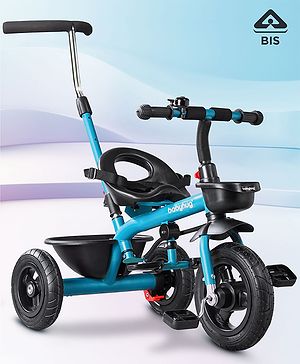
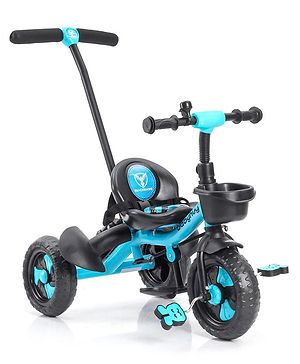
Babyhug Cruise Plug & Play Trike with Mild Steel Frame & Parental Handle Front & Rear Storage Basket with 3 Rubber Wheels with Foldable Foot Rest & Bell - Aqua Blue
Regular price₹7,495.00Regular price ₹4,047.30Regular priceUnit price per₹7,495.00Sale price ₹4,047.30 46% OFFSale -
Babyhug Cruise Plug N Play 2 in1 Multifunctional Kids Trike with Adjustable Parent Handle|Rubber Wheels with Brakes|Safety Harness|Storage Basket for Boys & Girls Ages 18 Months-4 Years-Blue
Regular price₹7,495.00Regular price ₹3,822.45Regular priceUnit price per₹7,495.00Sale price ₹3,822.45 49% OFFSale -
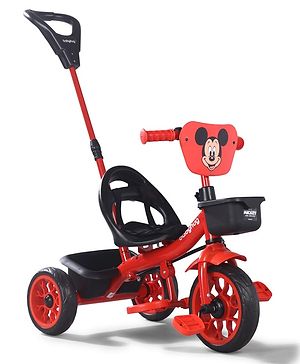
Babyhug Disney Mickey Kids Tricycle with Parental Push Handle- Red & Black| Antislip Pedals| Puncture Proof Wheels| Easy Assembling| Foldable Footrest| Toy for 2 to 5 year| Gifting Option
Regular price₹3,395.00Regular price ₹2,037.00Regular priceUnit price per₹3,395.00Sale price ₹2,037.00 40% OFFSale -
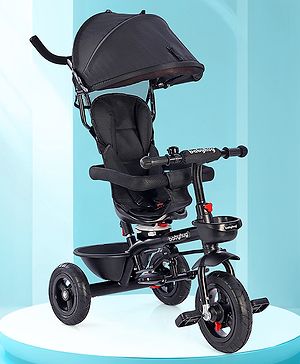
Babyhug Hermes Glider Plug & Play Trike with 360° Rotatable Seat & Parental Handle with Canopy Rubber Wheels & Storage Baskets with Bell - Black
Regular price ₹9,995.00₹9,995.00Unit price per -
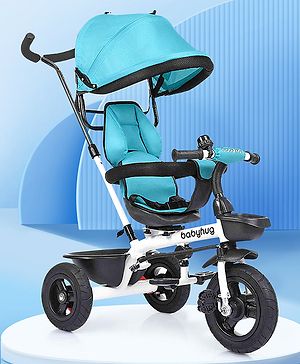
Babyhug Hermes Glider Plug & Play Trike with 360° Rotatable Seat & Parental Handle with Canopy Rubber Wheels & Storage Baskets with Bell - White Blue
Regular price₹9,995.00Regular price ₹5,397.30Regular priceUnit price per₹9,995.00Sale price ₹5,397.30 46% OFFSale -
Babyhug Hermes Glider Plug & Play Trike with 360° Rotatable Seat & Parental Handle with Canopy Rubber Wheels & Storage Baskets with Bell - White Red
Regular price₹9,995.00Regular price ₹5,397.30Regular priceUnit price per₹9,995.00Sale price ₹5,397.30 46% OFFSale -
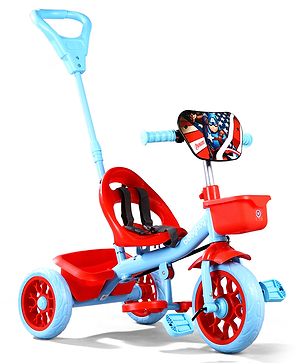
Babyhug Marvel Avengers Captain America Kids Tricycle with Parental Handle- Blue & Red| Antislip Pedals| Puncture Proof Wheels| Easy Assembling| Foldable Footrest| Toy for 2 to 5 year| Gifting Option
Regular price₹3,395.00Regular price ₹2,104.90Regular priceUnit price per₹3,395.00Sale price ₹2,104.90 38% OFFSale -
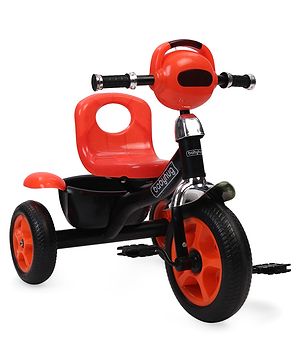
Babyhug Paramount Tricycle With Light & Music - Orange
Regular price₹3,895.00Regular price ₹1,986.45Regular priceUnit price per₹3,895.00Sale price ₹1,986.45 49% OFFSale -
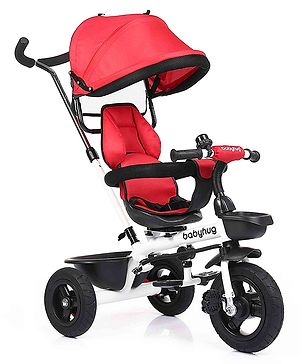
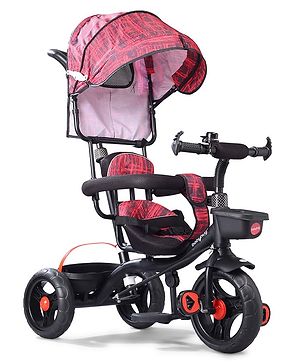
Babyhug Plug & Play Apache Tricycle with Parental Handle and Printed Canopy - Red
Regular price₹4,895.00Regular price ₹2,985.95Regular priceUnit price per₹4,895.00Sale price ₹2,985.95 39% OFFSale -
Babyhug Plug & Play Black Hawk Tricycle With Parental Push Handle & Storage Basket - Ice Blue
Regular price₹3,995.00Regular price ₹2,556.80Regular priceUnit price per₹3,995.00Sale price ₹2,556.80 36% OFFSale -
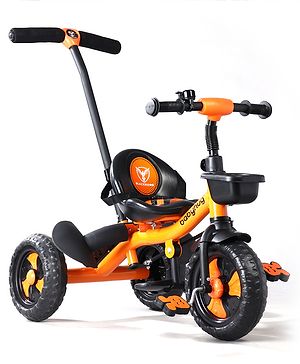
Babyhug Plug & Play Black Hawk Tricycle With Parental Push Handle & Storage Basket - Tiger Orange
Regular price₹3,995.00Regular price ₹2,556.80Regular priceUnit price per₹3,995.00Sale price ₹2,556.80 36% OFFSale -
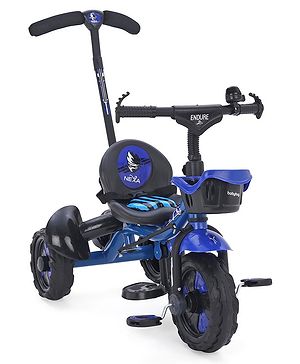
Babyhug Plug & Play Endure Tricycle with Parental Push handle & Storage Basket - Blue
Regular price₹3,995.00Regular price ₹2,836.45Regular priceUnit price per₹3,995.00Sale price ₹2,836.45 29% OFFSale
Baby & Kids Cycles for Active Outdoor Play
Tricycles, Balance Bikes & Bicycles for Kids
Cycling is a fun way for children to stay active while practising balance, coordination and movement skills. From a toddler's first tricycle to a balance bike or a bicycle for an older child, the right cycle can make outdoor play more engaging and help children build confidence as they learn to ride.
At Babyhug, our collection includes tricycles, balance bikes, kids bicycles and training-wheel cycles designed for different stages of riding. Depending on the model, you can find features such as adjustable seats, parental push handles, safety harnesses, training wheels, comfortable grips and durable frames.
When choosing a cycle, consider your child's height, weight, age, riding ability and the type of riding environment. A properly sized cycle is easier for a child to control and can make the learning experience more comfortable.
Parents often look for cycles that are:
- Lightweight and easy to handle
- Comfortable for everyday riding
- Suitable for their child's current stage
- Durable for regular outdoor use
- Equipped with appropriate braking or control features
- Adjustable as the child grows
Always check the individual product's specifications and recommended age or size before purchase.
Why Cycling Is Good for Kids
Cycling gives children an opportunity to stay active while learning new movement and riding skills.
Balance & Coordination
Riding involves balancing, steering, pedalling and controlling movement. These activities can help children practise coordination and body control.
Confidence & Independence
Learning to ride can give children a sense of achievement. As they become more comfortable with steering and movement, they can gradually develop greater riding confidence.
Active Outdoor Play
Cycles encourage children to spend time outdoors and participate in active play. Riding can also be a fun way for children to explore their surroundings with parents or family.
Physical Movement
Pedalling, steering and balancing involve different muscle groups and encourage children to stay physically active.
Confidence & Problem-Solving
Learning to ride involves practice, patience and adjusting to different movements. These experiences can help children build confidence as they learn a new skill.
Types of Baby & Kids Cycles
Different cycles are designed for different stages of riding development and levels of confidence.
Tricycles for Toddlers
Baby Tricycles are designed for younger children who are beginning to explore riding. Their three-wheel configuration can provide a stable base for early riding practice.
Depending on the model, Babyhug tricycles may include:
- Parental push handles
- Safety harnesses or guard rails
- Footrests
- Comfortable seats
- Baskets
- Bells
- Adjustable features
A tricycle can be a practical first riding option for a toddler who is ready to explore pedalling and steering.
Balance Bikes for Kids
Balance bikes do not have pedals and allow children to focus on balancing, steering and controlling their movement before moving on to a pedal bicycle.
They can help children practise:
- Balance
- Steering
- Coordination
- Confidence
- Independent movement
The appropriate age varies by child and product, so check the individual balance bike's specifications before use.
Bicycles for Kids
Baby Bicycles are available in different sizes and designs for children who are ready to progress to pedal riding.
Depending on the model, Babyhug bicycles may include:
- Durable frames
- Adjustable seats
- Training-wheel compatibility
- Braking systems
- Durable tyres
- Comfortable handlebars
Choose a bicycle based on your child's height and riding ability rather than age alone.
Training-Wheel Cycles
Training-wheel cycles provide additional side support while children learn to pedal, steer and control a bicycle.
They can be useful for:
- Beginner riders
- Early pedal practice
- Learning steering control
- Building riding confidence
As children become comfortable with balancing and controlling the bicycle, they may eventually be ready to transition to two-wheel riding.
How to Choose a Kids Cycle
The right cycle depends on your child's size, confidence and riding experience.
Check Height Before Age
Age can provide a general starting point, but height and the child's ability to comfortably use the cycle are important when choosing the right size.
Check Foot Position
Your child should be able to sit comfortably and maintain appropriate foot and pedal positioning for the particular cycle. For beginner products where the design allows it, being able to reach the ground can also help with confidence and control.
Choose a Manageable Weight
A cycle that is too heavy can be harder for a young child to steer, balance and move independently. Consider the child's strength and riding stage when comparing models.
Check Handlebar Comfort
Handlebars should be comfortable to grip and appropriately positioned for the child. Good control can make steering easier during riding practice.
Start with the Right Cycle
First-time riders may benefit from a tricycle, balance bike or training-wheel cycle depending on their stage and riding ability.
Kids Cycle Size Guide
| Age Group | Suggested Wheel Size |
|---|---|
| 1–3 years | 10–12 inches |
| 3–5 years | 12–14 inches |
| 5–8 years | 16–18 inches |
| 8+ years | 20 inches and above |
These ranges are only a general guide. Children of the same age can have different heights and riding abilities, so always check the product's sizing information before choosing a cycle.
Best Cycles by Age
| Age / Stage | Cycle Type |
|---|---|
| 1–3 years | Tricycles and suitable balance bikes |
| 3–5 years | Balance bikes and training-wheel cycles |
| 5–8 years | Kids bicycles |
| 8+ years | Larger bicycles and age-appropriate geared cycles |
The appropriate cycle should always be based on the child's size, riding ability and the manufacturer's recommended usage.
Kids Cycle Features
When choosing a children's cycle, look for features that support comfortable handling, appropriate control and everyday use.
Safety Features
Safety should be an important consideration when choosing a kids cycle.
Depending on the model, features may include:
- Reliable brakes
- Non-slip pedals
- Stable wheel configuration
- Reflectors
- Bells
- Secure handle grips
- Safety harnesses on applicable tricycles
- Parent-control handles on applicable models
A properly fitted helmet and appropriate protective gear are also important for children's cycling activities.
Adjustable Seats & Handlebars
Adjustable seats and handlebars can make it easier to maintain a suitable riding position as your child grows.
Depending on the model, adjustment can help with:
- Riding comfort
- Handlebar control
- Appropriate seating position
- Extended usability
Always make adjustments according to the manufacturer's instructions.
Durable Frame
A well-constructed frame can support regular use and everyday riding.
Depending on the model, children's cycles may use:
- Steel frames
- Aluminium frames
- Protective or rust-resistant finishes
Check the individual product specifications for the materials used.
Lightweight Design
A manageable cycle weight can make steering, balancing and movement easier, particularly for younger riders.
Benefits may include:
- Easier handling
- More comfortable steering
- Reduced effort
- Better control for beginner riders
The ideal weight depends on the child's size and riding ability.
Comfortable Riding
Comfort can make children more willing to practise riding and spend time outdoors.
Depending on the model, comfort-focused features may include:
- Padded seats
- Ergonomic grips
- Comfortable pedals
- Suitable riding position
Ride Safely: Falls & Head Protection
Tricycles and children's bicycles encourage active movement, but falls can happen while children are learning to balance, steer, pedal or control speed.
Parents can support safer riding by:
- Choosing a cycle appropriate for the child's age, size, weight and riding ability.
- Starting on flat, open surfaces away from traffic, stairs and other drop-offs.
- Checking wheels, pedals, steering components and brakes before riding.
- Ensuring the child wears a properly fitted helmet.
- Considering knee and elbow protection during beginner practice.
- Keeping young children away from traffic and other collision hazards.
- Teaching children to slow down before turns and stop when obstacles appear.
- Closely supervising younger or beginner riders.
A helmet can help reduce the risk or severity of some head injuries, but it cannot prevent every injury. Proper fit, suitable riding conditions and supervision remain important.
Safety Features by Riding Stage
The features that matter most can change as a child becomes more independent.
A toddler tricycle may include a parental push handle, safety harness, high backrest or footrest, depending on the model. As children progress towards independent riding, steering control, pedals, wheel stability and braking become increasingly important.
Babyhug tricycles may include features such as parental control handles, safety harnesses, non-slip pedals, high backrests and footrests on selected models.
Use these features according to the product's intended age, configuration and instructions. They are designed to support use but do not replace adult supervision.
Baby Cycle Safety Standards
Safety certification can provide information about the requirements a particular children's riding product has been designed or tested against.
Parents should check the individual product listing for its applicable certification, safety markings, weight capacity and manufacturer's specifications before purchase.
Along with certification, consider:
- Recommended age and child size
- Maximum weight capacity
- Seating and restraint features, where provided
- Wheel configuration and stability
- Steering control
- Braking system
- Pedal design
- Parent-control features on applicable tricycles
- Recommended riding environment
- Helmet and protective-gear requirements
Certification should be considered alongside correct assembly, age-appropriate use and supervision. It does not guarantee that a child cannot fall or be injured.
Babyhug tricycles, bicycles and training bikes are designed with safety and everyday riding needs in mind, with certification and safety specifications varying by model. For example, the Babyhug Little Leopard Tricycle features a BIS-certified seat.
Balance Bikes vs Training Wheels
| Feature | Balance Bike | Training-Wheel Cycle |
|---|---|---|
| Main focus | Balance and steering | Pedalling and supported balance |
| Best suited to | Early balance practice | Beginner pedal riding |
| Balance support | Child develops balance directly | Training wheels provide additional support |
| Transition | Can help prepare for a pedal bike | Gradual move towards two-wheel riding |
Both can be useful learning options. The better choice depends on your child's confidence, balance and readiness to learn pedalling.
Steel vs Aluminium Cycles
| Feature | Steel Cycle | Aluminium Cycle |
|---|---|---|
| Weight | Typically heavier | Typically lighter |
| Durability | Strong and durable | Lightweight and durable |
| Corrosion resistance | Depends on finish | Generally resistant to rust |
| Handling | Can feel more substantial | Often easier to handle |
The right frame material depends on the child's size, riding environment and the specific cycle design.
Indoor vs Outdoor Kids Cycles
Indoor Riding
Smaller tricycles and suitable balance bikes can be convenient for supervised riding on appropriate smooth surfaces and in sufficiently open spaces.
Best For:
- Apartments with adequate clear space
- Indoor activity
- Beginner movement practice
Always check that the product is suitable for the intended surface and provide enough space for safe movement.
Outdoor Riding
Larger children's bicycles and tricycles can be used in appropriate outdoor riding areas when permitted by the product's intended use.
Best For:
- Parks
- Cycling tracks
- Playgrounds
- Outdoor rides
- Active family time
Choose a controlled riding environment away from traffic and other hazards.
How to Teach a Child to Ride
Learning to ride is a gradual process. Keep practice sessions positive, age-appropriate and supervised.
Start with Balance
Before focusing on speed, allow children to become comfortable with balancing, steering and controlling their movement.
Choose Safe Surfaces
Flat, smooth and controlled surfaces can make beginner practice easier.
Keep Sessions Short
Short practice sessions can help children learn without becoming overly tired or frustrated.
Build Confidence Gradually
Encourage your child without rushing them. Every child develops riding confidence at their own pace.
Use Safety Gear
A properly fitted helmet should be used for bicycle riding. Knee and elbow protection may also be useful during beginner practice.
Kids Cycling Safety Tips
Safe riding habits are important from the very first practice session.
Important Tips
- Always wear a properly fitted helmet.
- Use appropriate protective gear during beginner practice.
- Avoid traffic-heavy roads.
- Check brakes and other moving components regularly.
- Choose smooth, controlled riding surfaces.
- Supervise toddlers and beginner riders closely.
- Teach children to slow down and stop before obstacles.
- Avoid riding in wet or poor-visibility conditions.
Children should also be taught basic road and pedestrian safety before riding near any traffic.
Best Surfaces for Kids Cycling
The riding environment can make a significant difference to a child's safety and confidence.
Recommended Surfaces
- Parks
- Cycling tracks
- Smooth pavements
- Open playground areas
Surfaces to Avoid
- Wet roads
- Loose gravel
- Uneven terrain
- Steep slopes
- Busy traffic areas
Choose a surface appropriate for your child's riding ability and the cycle's intended use.
Kids Cycle Maintenance
Regular checks can help keep a children's cycle in good working condition.
Maintenance Tips
- Check brakes regularly.
- Keep tyres inflated according to the manufacturer's recommendation.
- Tighten loose components.
- Check pedals and steering components.
- Clean the cycle regularly.
- Inspect wheels and tyres for damage.
- Store the cycle in a dry, suitable place.
If you notice damaged brakes, wheels, pedals, handlebars or other important components, stop using the cycle until it has been properly repaired or assessed.
Signs a Cycle Is Too Big
An oversized cycle can make it harder for a child to control their movement and may affect riding confidence.
Warning Signs
- Child struggles to reach the controls.
- Steering feels difficult.
- Child cannot maintain a comfortable riding position.
- Balance is difficult to control.
- Handlebars are difficult to reach.
- The cycle feels too heavy to manage.
Choosing the correct size can make riding more comfortable and easier to control.
Common Kids Cycle Buying Mistakes
Choosing the Wrong Size
A cycle that is too large or too small can make steering, balance and control more difficult. Prioritise the manufacturer's sizing guidance and your child's measurements.
Ignoring Cycle Weight
A heavy cycle may be harder for a young child to handle. Consider the child's size and strength before choosing a model.
Choosing Design Over Function
Colours and graphics can be fun, but features such as size, braking, stability, comfort and appropriate fit should come first.
Buying an Advanced Cycle Too Early
First-time riders may find a simpler tricycle, balance bike or training-wheel cycle easier to learn on than an advanced bicycle.
Skipping Adjustable Features
Adjustable seats and handlebars can make it easier to maintain a suitable fit as your child grows, where the product offers these features.
Kids Cycle Buying Checklist
- Correct cycle size – Helps improve comfort and control.
- Manageable weight – Makes steering and handling easier for younger riders.
- Reliable brakes – Supports stopping control on applicable bicycles.
- Adjustable seat – Helps accommodate growing children.
- Comfortable grips – Makes steering easier during riding.
- Stable wheel structure – Supports balance and control.
- Suitable pedals – Helps children practise pedalling comfortably.
- Durable construction – Useful for regular riding.
- Safety features – Look for appropriate reflectors, bells, harnesses or guards depending on the cycle type.
- Easy steering – Helps beginner riders develop control.
Use this checklist alongside the individual product's age, size, weight and safety specifications.
Baby & Kids Cycle FAQs
What is the best cycle for kids?
The right cycle depends on the child's height, age, riding ability and stage of learning. Toddlers may start with tricycles, while balance bikes and training-wheel cycles can suit children learning balance and pedalling.
What size cycle is best for a 4-year-old?
Wheel size should be based on the child's height and the manufacturer's sizing guidance rather than age alone. A 12–14 inch cycle may suit some children in this age range, but individual fit should always be checked.
Which is better: balance bike or training wheels?
Balance bikes focus on balance and steering, while training wheels provide additional support while a child learns to pedal. The better choice depends on your child's riding stage and confidence.
What is a suitable cycle for toddlers?
A tricycle with a stable three-wheel design can be a suitable starting point for toddlers who are ready to explore riding. Depending on the model, features such as a parental push handle, harness and footrest may provide additional support.
How do I choose the right cycle for kids?
Consider your child's height, weight, age, riding ability and the cycle's weight and features. Check that the child can comfortably use the controls and that the cycle falls within the manufacturer's recommended size and weight range.
What is the typical kids cycle price in India?
Kids cycle prices vary depending on the cycle type, size, materials and features. Instead of relying on a general price range, compare the features and specifications of the models that suit your child's stage.
Are balance bikes good for learning?
Balance bikes can help children practise balance and steering before progressing to a pedal bicycle. They can be particularly useful for children who are beginning to develop independent riding skills.
Can boys and girls use the same cycle?
Yes. Most children's cycles are suitable for all children. The main considerations should be size, fit, riding ability and the features offered by the cycle rather than the child's gender.
What safety gear is essential for kids?
A properly fitted helmet is an important piece of safety equipment for children riding bicycles. Depending on the child's experience and riding environment, knee and elbow protection may also be useful.
At what age can children start riding cycles?
The appropriate age varies by child and cycle type. Some toddlers may begin with tricycles, while balance bikes and pedal bicycles are introduced at different stages as children develop the necessary balance, coordination and control.
Always follow the individual product's recommended age and usage guidance.