
Kids Soft Toys
 This item is discontinued.
Explore similar products from our collection.
-
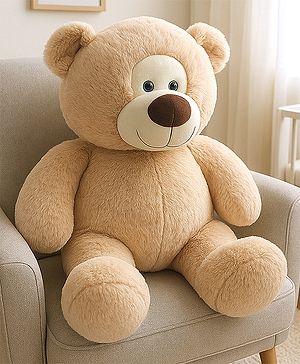
Babyhug Bear Soft Toy Cream - Height 65 cm
Regular price₹1,499.00Regular price ₹998.93Regular priceUnit price per₹1,499.00Sale price ₹998.93 33% OFFSale
Soft Toys for Kids: Teddy Bears, Plush & Stuffed Animal Toys
Soft toys are more than cuddly companions. For babies and kids, they can become part of imaginative play, everyday routines, travel and comforting moments. From classic teddy bears and animal plushies to soft balls, musical soft toys and character toys, Babyhug offers soft toys in different sizes, designs and age groups.
A soft toy can encourage pretend play, storytelling and emotional bonding while giving children a familiar companion to hold and play with. Parents can choose a design based on the child's age, interests, intended use and the toy's recommended age range.
What Are Soft Toys for Kids?
Soft toys are plush or stuffed toys made for cuddling, pretend play and imaginative activities. They are available in many forms, including teddy bears, animal toys, character toys, soft balls and interactive or musical plush toys.
For younger children, parents can choose simple, lightweight soft toys that are easy to hold. Older kids may enjoy larger stuffed animals, character toys or plush companions that become part of pretend-play stories.
What Are the Best Soft Toys for Babies?
The right soft toy for a baby should be age-appropriate, easy to handle and suitable for supervised play. Parents can look for lightweight designs with simple shapes, soft textures and features that encourage visual and sensory interaction.
Babyhug's collection includes soft balls, clip-on toys, musical rattles and other options suitable for different early age groups. Always check the recommended age and product safety information before use, particularly for toys with small or detachable components.
What Are the Best Soft Toys for Toddlers?
Toddlers can enjoy soft toys that encourage imaginative and pretend play. Animal plushies, teddy bears, soft balls and character toys can give children opportunities to create stories, name objects and act out everyday situations.
A soft animal such as a lion, elephant, monkey, rabbit or puppy can also be used to introduce animal names and sounds during parent-child play.
Why Do Kids Like Soft Toys?
Children often enjoy soft toys because they are comfortable to hold and can become familiar companions during play and everyday routines. A favourite teddy bear or stuffed animal can be included in pretend games, storytelling, travel or quiet time.
Soft toys can also give children an opportunity to express emotions through pretend play. For example, a child may pretend to feed, comfort or put their teddy bear to sleep.
What Are Teddy Bear Soft Toys?
Teddy bears are classic stuffed toys that can work as cuddly companions, pretend-play characters and gifting options. They are available in different sizes, colours and styles, from smaller bears for younger children to larger plush bears for older kids.
Parents can choose a teddy bear based on the child's age, preferred size and intended use, whether it is for cuddling, pretend play or gifting.
What Are Animal Soft Toys?
Animal soft toys are stuffed versions of familiar animals such as elephants, lions, monkeys, rabbits, pandas, dogs, penguins and cows. They can make pretend play more engaging while helping parents introduce children to different animals.
Animal plushies can also be used for simple learning activities. Parents can ask children to identify the animal, make its sound, name its colour or create a short story around it.
What Are Stuffed Animal Toys?
Stuffed animal toys are plush toys designed in the shape of animals. They can be used for cuddling, imaginative play, storytelling and gifting.
Babyhug's soft toy collection includes a wide range of stuffed animal designs, making it easier for parents to choose animals that match their child's interests.
Are Soft Toys Good for Imaginative Play?
Yes. Soft toys can become characters in a child's pretend-play world. A child can create conversations between different animals, pretend to care for a teddy bear or make up stories involving their favourite plush toy.
Parents can participate by asking open-ended questions such as "Where is the teddy going?" or "What does the elephant want to eat?" This encourages children to use language while developing their own stories.
Can Soft Toys Help With Emotional Development?
Soft toys can become familiar companions that children include in everyday routines. Pretend play with a teddy bear or stuffed animal can also give children a simple way to act out feelings and social situations.
Parents can use soft toys during role-play to talk about emotions, caring, sharing, kindness and everyday experiences in a way that feels natural to the child.
What Are Soft Toys for Gifting?
Soft toys can be suitable gifts for birthdays, baby celebrations and other occasions because they are available in different sizes, characters and animal designs.
For toddlers, a small or medium-sized animal plush can be easy to carry and include in everyday play. For older children, larger teddy bears, character plushies or themed soft toys can make memorable gifts.
When choosing a soft toy as a gift, consider the child's age, interests, size of the toy and recommended usage.
Are Soft Toys Good for Travel?
A small, lightweight soft toy can be a convenient travel companion for a child. A familiar teddy bear or animal plush may also make long journeys more comfortable by giving the child something familiar to hold and play with.
For travel, consider a soft toy that is easy to carry and does not take up too much space. Larger plush toys can be more suitable for home play or room decoration.
What Are Musical Soft Toys?
Musical soft toys combine the cuddly nature of plush toys with sounds, melodies or other interactive features. They can add another layer of engagement to playtime.
For younger children, parents should check the recommended age and ensure that any interactive or musical components are suitable for the child's stage.
What Are Soft Balls for Babies and Kids?
Soft balls are lightweight plush or fabric balls designed for babies and young children. They can encourage children to hold, roll, pass and interact with an object during supervised play.
Soft balls can be useful for early movement and hand-eye coordination activities, especially when parents roll the ball back and forth with the child.
What Skills Can Kids Develop Through Soft Toy Play?
Soft toys can support different skills through everyday interaction and pretend play.
Imagination and Creativity
Children can invent characters, stories and situations around their favourite stuffed animals.
Language Skills
Parents can use soft toys to encourage children to name animals, describe colours, make sounds and participate in simple conversations.
Social and Emotional Skills
Pretend play can allow children to act out caring, sharing, comforting and other everyday social situations.
Motor Skills
Holding, carrying, hugging and manipulating soft toys can provide opportunities for different hand and body movements.
Eye-Hand Coordination
Children practise coordination when they reach for, pick up, pass or roll suitable soft toys.
How Do I Choose the Right Soft Toy for My Child?
Start with the child's age and developmental stage. A toy suitable for a toddler may not be appropriate for a younger baby, so always check the recommended age.
Consider the child's interests as well. Children who love animals may enjoy an elephant, panda, rabbit or lion, while children interested in cartoons may prefer a character plush.
Other factors to consider include:
- Recommended age
- Toy size
- Weight and ease of handling
- Material and softness
- Wash and care instructions
- Interactive features
- Detachable parts
- Intended use
- Child's interests
What Size Soft Toy Should I Buy?
The right size depends on the child's age and how the toy will be used. Smaller soft toys can be easier for babies and toddlers to hold, carry and move around.
Larger plush toys can be suitable for older kids, room décor, cuddling and pretend play. Parents should consider whether the child can comfortably handle the toy before choosing a larger design.
How Do I Choose a Soft Toy for a Baby?
For babies, prioritise age suitability, simple construction and easy handling. Avoid choosing a toy solely because it looks cute or soft. Check the product's recommended age and safety information.
Parents should also consider whether the toy has any detachable accessories, loose parts or interactive components that may not be suitable for a younger baby.
How Can Parents Use Soft Toys for Learning?
Soft toys can be incorporated into simple learning activities without making play feel like a lesson.
Parents can use an animal plush to teach:
- Animal names
- Animal sounds
- Colours
- Simple descriptive words
- Counting
- Pretend-play vocabulary
- Basic emotions
For example, parents can place three soft animals together and ask the child to count them, or ask which animal is bigger, smaller, soft or brown.
How Can Parents Keep Soft Toys Clean?
Care instructions depend on the material and construction of the individual toy. Before cleaning, check the product label or manufacturer's instructions.
For everyday maintenance, parents can keep soft toys away from unnecessary moisture, inspect them regularly and clean them according to the recommended method. Toys used frequently by babies may require more regular cleaning.
Are Soft Toys Suitable for Bedtime?
Some children enjoy taking a favourite soft toy into their bedtime routine. However, suitability depends on the child's age and the specific toy.
For younger babies, parents should follow safe-sleep guidance and the product's recommended age. Do not assume that a soft toy is suitable for unsupervised sleep simply because it is marketed for babies.
Baby Soft Toys vs Kids Soft Toys
Soft toys for babies and older kids can look similar, but their features and intended use may differ.
Baby-focused toys generally prioritise easy handling, simple sensory interaction and age-appropriate construction. Soft toys for older children can have more elaborate designs, larger sizes, character themes or features intended for imaginative play.
Choosing according to age is more important than choosing based only on appearance.
Soft Toy Buying Checklist
- Recommended age
- Size and weight
- Softness and material
- Ease of handling
- Wash and care requirements
- Presence of detachable parts
- Interactive or musical features
- Child's interests
- Intended use
- Safety information
Soft Toys FAQs
What are the best soft toys for kids?
The right soft toy depends on the child's age and interests. Teddy bears, animal plushies, character toys, soft balls and interactive soft toys are popular options for different types of play.
Are soft toys good for babies?
Age-appropriate soft toys can provide opportunities for sensory interaction, grasping and supervised play. Always check the recommended age and safety information before giving a toy to a baby.
What is the best soft toy for a toddler?
Animal plushies, teddy bears, soft balls and simple character toys can be suitable choices for toddlers, depending on their age and interests.
Are teddy bears good gifts for kids?
Yes. Teddy bears are popular gifting options because they can be used for cuddling, pretend play and companionship.
Which soft toy is best for a baby?
Choose an age-appropriate soft toy that is easy to handle and does not have unsuitable detachable or small parts. Always follow the product's recommended age.
What are stuffed animal toys?
Stuffed animal toys are plush toys designed in the shape of animals such as bears, elephants, rabbits, pandas, lions and dogs.
Are soft toys good for imaginative play?
Yes. Children can use stuffed animals as characters in stories, role-play games and pretend-care activities.
Can soft toys help children learn animal names?
Yes. Parents can use animal plushies to teach children animal names, sounds, colours and simple facts through interactive play.
Are musical soft toys good for babies?
Musical soft toys can add sounds and melodies to play, but parents should choose products specifically suited to the child's age and follow the manufacturer's usage instructions.
What should I check before buying a soft toy?
Check the recommended age, size, material, construction, care instructions and any detachable or interactive components. Choose a design that matches the child's interests and stage.
Can soft toys be used for travel?
Yes. Smaller and lightweight soft toys can be convenient travel companions for children and can provide a familiar object during journeys.
How do I clean a soft toy?
Follow the individual product's care instructions. Some soft toys may be suitable for surface cleaning or gentle washing, while others may require specific care.
Are large soft toys suitable for toddlers?
Large soft toys may be suitable for some toddlers, but parents should consider the child's age, ability to handle the toy and the manufacturer's recommended age before buying.
Shop Soft Toys Online at Babyhug
Parents can shop soft toys online at Babyhug across a wide range of teddy bears, stuffed animals, plush toys, soft balls, cartoon characters and musical soft toys.
Whether you are looking for a teddy bear for cuddles, an animal soft toy for pretend play, a soft ball for early movement or a plush toy for gifting, choose one based on your child's age, interests and intended use.