
Role & Pretend Play Toys
 This item is discontinued.
 Explore similar products from our collection.
-
Babyhug Pretend Play Doctor Set with LED Lights&Realistic Medical Instruments| Wheeled Suitcase with Storage Tray for Role Play Fun|Durable ABS Plastic|2+ Years|Ideal for gifting|15 Pcs|BIS Certified
Regular price₹945.00Regular price ₹599.04Regular priceUnit price per₹945.00Sale price ₹599.04 37% OFFSale -
Babyhug Chef's Home Kitchen Suitcase Playset - 28 Pieces | Compact Kitchen-In-A-Suitcase | Tools Sized For Small Hands | Enhances Role play, Creativity & Communication Skills | BIS Certified
Regular price₹945.00Regular price ₹869.40Regular priceUnit price per₹945.00Sale price ₹869.40 8% OFFSale -
Babyhug Fruit & Vegetable Cutting Play Set | Realistic Sliceable Play Food Toys with Chopping Board & Knife | Kitchen Pretend Play Set | Enhances Motor Skills & Creativity | Multicolor | BIS Certified
Regular price₹795.00Regular price ₹731.40Regular priceUnit price per₹795.00Sale price ₹731.40 8% OFFSale -
Babyhug Vegetables Cutting Playset with Frypan - 16 Pieces | Realistic Pretend Play Kitchen Set for Kids | Boosts Creativity & Role-Play Learning | BIS Certified
Regular price₹695.00Regular price ₹419.02Regular priceUnit price per₹695.00Sale price ₹419.02 40% OFFSale -
Babyhug Hello Doctor Suitcase Playset -21 Pieces | Portable Role-Play Doctor Kit | Pretend Care & Social Play | Boosts Eye-Hand Coordination And Empathy | BIS Certified
Regular price₹945.00Regular price ₹599.13Regular priceUnit price per₹945.00Sale price ₹599.13 37% OFFSale -
Babyhug Roleplay Home Appliances Set Washing Machine Iron Vacuum Cleaner Sewing Machine- Pink
Regular price₹1,299.00Regular price ₹774.33Regular priceUnit price per₹1,299.00Sale price ₹774.33 40% OFFSale -
Babyhug Fruits & Vegetable Set of 40 - Multicolour | Realistic Pretend Food Collection | Teaches Healthy Eating Habits & Role-Play | Durable & Child-Safe | BIS Certified
Regular price₹595.00Regular price ₹358.19Regular priceUnit price per₹595.00Sale price ₹358.19 40% OFFSale -
Babyhug Kitchen Tea Party Toy Set of 31 - Pink | Pretend Cooking & Tea Party Playset | Sparks Social Skills & Creative Play | Vibrant & Child-Safe | Perfect For Gifting | BIS Certified
Regular price₹925.00Regular price ₹399.04Regular priceUnit price per₹925.00Sale price ₹399.04 57% OFFSale -
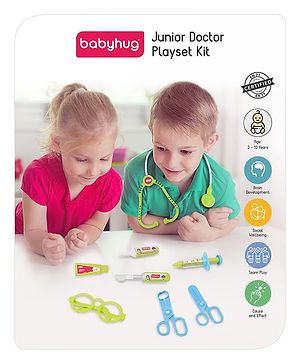
Babyhug Junior Doctor Play Set 15 Pieces - Pink | Pretend Care & Social Play | Inspires Empathy & Imaginative Role-Play | BIS Certified
Regular price₹745.00Regular price ₹473.82Regular priceUnit price per₹745.00Sale price ₹473.82 36% OFFSale -
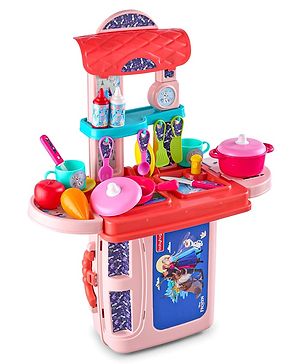
Babyhug Disney Frozen Sisters Theme Kitchen Play Set - Pink| 3 in 1 Portable Pretend Food Party Role Play| Kids Cooking Set| Toy for Kids with 32 Pcs & 2 Sticker Set| Gift for Girls
Regular price₹995.00Regular price ₹488.94Regular priceUnit price per₹995.00Sale price ₹488.94 51% OFFSale -
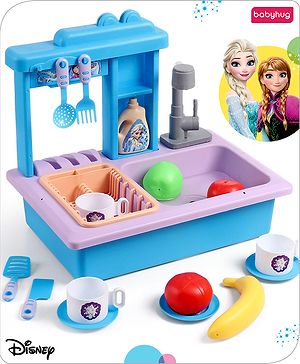
Babyhug Disney Frozen Toy Kitchen Sink Set| Battery Operated Pretend Play Electric Dishwasher with Tap Water Sound Kids Kitchen Accessories Utensils Realistic Light & Sound| BIS Certified - Multicolor
Regular price₹1,299.00Regular price ₹976.98Regular priceUnit price per₹1,299.00Sale price ₹976.98 25% OFFSale -
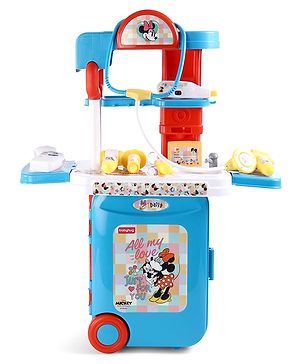
Babyhug Disney Mickey & Friends Doctor Trolley for Kids| Kids Doctors Play Set trolley, Medical Trolley Cart for Kids with 18 Pcs - Blue & Red
Regular price₹1,488.00Regular price ₹1,278.64Regular priceUnit price per₹1,488.00Sale price ₹1,278.64 14% OFFSale
Role & Pretend Play Toys for Creative Learning and Imaginative Play
Role and pretend play toys allow children to explore their imagination while acting out real-life scenarios. These toys encourage kids to pretend they are doctors, chefs, shopkeepers, or parents, helping them understand everyday activities in a playful way. Through imaginative storytelling and role-playing, children develop creativity while having fun during playtime.
Many parents choose pretend play toys for kids because they combine entertainment with learning. These toys help children mimic real-world roles such as cooking, caring for others, or running a store. Pretend play activities support cognitive, emotional, and social development while encouraging creativity and problem-solving skills.
Modern role play toys for kids come in many forms including doctor kits, kitchen play sets, toy food sets, beauty play kits, and household appliance toys. These toys allow children to create their own stories and explore imaginative worlds during playtime.
Types of Role & Pretend Play Toys
Doctor Play Sets
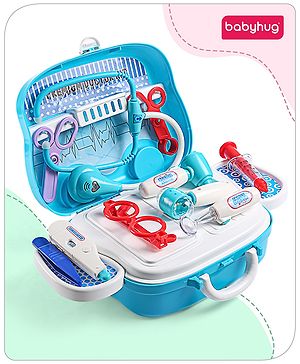
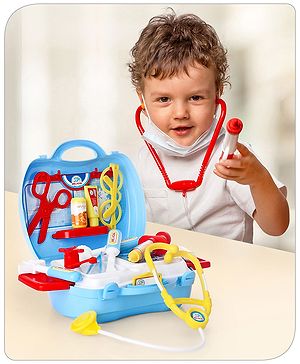
Doctor play sets are among the most popular pretend play toys. These sets usually include toy medical tools such as stethoscopes, thermometers, syringes, and doctor bags. Children enjoy pretending to care for patients, which helps them understand basic healthcare roles. Playing with a doctor kit can also help reduce fear of real doctor visits while encouraging nurturing behaviour. These toys are commonly used by toddlers and preschool children during imaginative play sessions.
Kitchen Play Sets
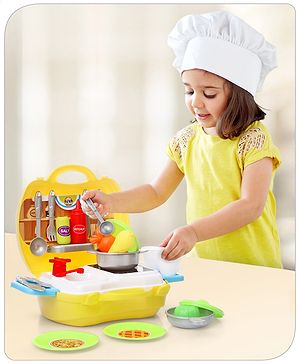
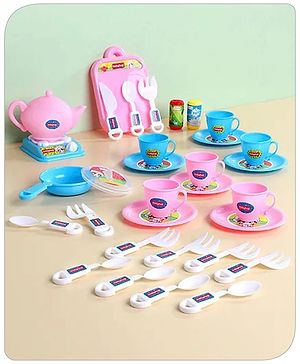
Kitchen play sets allow children to pretend they are cooking meals or running their own kitchen. These toys often include miniature utensils, pans, pretend food items, and cooking accessories. Through kitchen play, children learn about everyday household activities such as cooking and serving food. Pretend cooking games encourage creativity and social interaction when children play together.
Pretend Food and Vegetable Cutting Sets
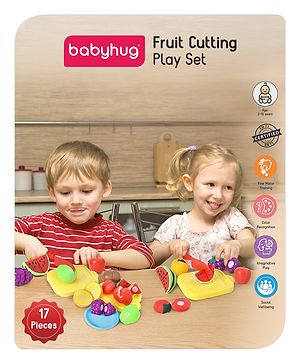
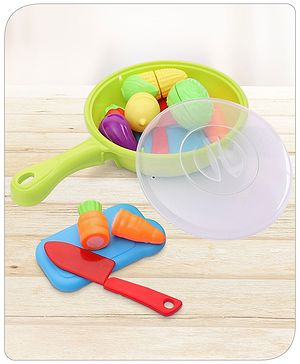
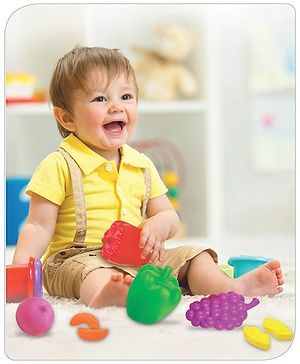
Pretend food toys allow children to simulate grocery shopping, cooking, and food preparation activities. These sets often include toy fruits, vegetables, chopping boards, and plastic knives. Children enjoy slicing toy vegetables and preparing pretend meals. These activities help improve hand-eye coordination and fine motor skills while introducing children to different food items.
Beauty and Makeup Play Sets
Beauty and makeup pretend play toys allow children to explore creative role-playing scenarios such as running a salon or styling hair. These sets usually include toy mirrors, combs, pretend makeup items, and grooming accessories. Kids enjoy acting out everyday routines while developing creativity. Beauty play sets are especially popular for imaginative storytelling and social play among children.
Home Appliance Pretend Play Toys
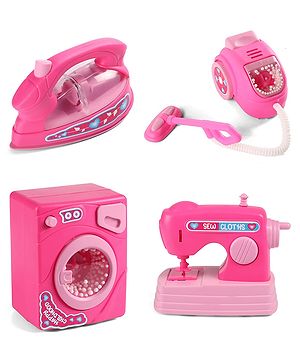
Some pretend play toys simulate household appliances such as washing machines, vacuum cleaners, or ironing sets. These toys allow children to mimic everyday chores in a playful way. Children often enjoy copying adult activities they observe at home. Pretend appliance toys encourage role play while helping kids understand daily routines.
Benefits of Role & Pretend Play Toys
Encourages Imagination and Creativity
Pretend play allows children to create their own stories and characters during playtime. Acting out different roles encourages creative thinking and imaginative storytelling. Children may pretend to run a restaurant, care for a patient, or organise a shop. These imaginative scenarios help develop creativity and flexible thinking.
Supports Social and Emotional Development
Role-playing helps children understand emotions and relationships. When children pretend to be doctors, teachers, or parents, they begin to understand different perspectives. These activities also encourage cooperation when children play together in groups and help strengthen empathy and emotional awareness.
Improves Communication Skills
Pretend play often involves storytelling, conversations, and sharing ideas with others. Children practise language skills while describing situations or assigning roles during play. Imaginative play helps improve vocabulary, communication, and expressive language abilities.
Builds Problem-Solving Skills
During pretend scenarios, children often create solutions to imaginary challenges. They may pretend to treat a patient, prepare a meal, or organise a shop. These activities help develop logical thinking and decision-making skills while encouraging independent thinking and confidence.
Skills Developed Through Pretend Play Toys
Fine Motor Skills
Handling small toy tools such as cooking utensils or toy medical instruments improves hand coordination. These activities strengthen finger muscles and help children control small hand movements.
Social Interaction Skills
Role play often involves multiple participants who share roles and cooperate during games. Children practise teamwork and learn how to take turns. Playing together also encourages communication and social confidence.
Creative Thinking
Imaginative toys allow children to invent their own stories and scenarios. Open-ended play encourages experimentation and creative expression. Children can transform simple toys into imaginative adventures that stimulate curiosity and exploration.
Age Guide for Role & Pretend Play Toys
Toddlers (2–3 Years)
Toddlers enjoy simple pretend toys such as kitchen sets, toy phones, or basic household play items. These toys help them imitate everyday activities they observe at home. Large and colourful toys are easier for toddlers to handle safely.
Preschool Kids (3–5 Years)
Preschool children enjoy more detailed role play toys such as doctor kits or cooking sets. They begin creating stories and acting out different roles. Pretend play becomes more interactive at this stage as children play together with friends or siblings.
Older Kids (5+ Years)
Older children enjoy more complex role-playing games with multiple characters and scenarios. They may combine different play sets to create imaginative stories. These toys encourage creativity, leadership, and deeper storytelling during playtime.
How to Choose the Right Pretend Play Toys
Choosing the right pretend play toy depends on the child’s interests, age, and creativity level. Some children enjoy doctor kits while others prefer cooking toys or beauty play sets.
Parents should also consider toy safety, durability, and material quality when selecting toys. Toys made from non-toxic materials and smooth edges ensure safe play.
Selecting toys that encourage open-ended play helps children explore imagination while developing important skills.
Popular Role & Pretend Play Toys for Kids
Role play toys come in many themes that allow children to explore different professions and daily activities. Popular options include doctor kits, kitchen play sets, makeup kits, grocery shopping sets, and cooking toy sets.
Many pretend play sets include multiple accessories such as toy utensils, pretend food items, medical tools, or beauty accessories. These toys encourage children to build imaginative stories and role-playing situations.
Educational Value of Pretend Play Toys
Pretend play toys are widely used in early childhood learning because they support cognitive and emotional development. Through imaginative play, children experiment with different roles and situations while developing critical thinking skills.
Educators often consider dramatic play toys important for developing creativity and problem-solving abilities. These toys encourage children to think creatively while interacting with others.
Pretend Play Toys by Age Group
Pretend Play Toys for Toddlers
Toddlers enjoy simple pretend toys such as kitchen sets, toy phones, or basic household play items. These toys help young children imitate everyday activities they observe at home.
Pretend Play Toys for Preschool Kids
Preschool children enjoy more detailed role play toys such as doctor kits, cooking sets, and beauty play sets. These toys allow children to create more elaborate stories during play.
Pretend Play Toys for Older Kids
Older children enjoy more advanced pretend play scenarios where they combine different toys to create imaginative stories. These toys support storytelling and leadership skills.
FAQs Asked by Parents Around Role & Pretend Play Toys
What are pretend play toys for kids?
Pretend play toys allow children to act out real-life roles such as doctors, chefs, shopkeepers, or parents through imaginative play.
At what age can children start playing with role play toys?
Children can begin simple pretend play activities from around two years of age using age-appropriate toys.
How do pretend play toys help child development?
These toys encourage creativity, communication, social interaction, and problem-solving skills.
Are role play toys educational?
Yes, they support learning by helping children understand everyday activities while improving cognitive and social skills.
What are the most popular pretend play toys?
Popular pretend play toys include doctor sets, kitchen play sets, toy food sets, beauty kits, and household appliance toys.
Can pretend play toys improve communication skills?
Yes, children often practise storytelling and conversations during role play, which improves language skills.
Are pretend play toys suitable for group play?
Yes, many pretend play toys encourage cooperative play where children interact and share roles.
Do pretend play toys help build confidence?
Yes, acting out different roles allows children to express themselves and build confidence.
How should pretend play toys be cleaned?
Most toys can be cleaned using a damp cloth and mild detergent depending on the material.
What should parents check before buying role play toys?
Parents should check safety certifications, age suitability, and durable materials before purchasing toys.