
Kids Puzzles
 This item is discontinued.
 Explore similar products from our collection.
-
Babyhug 4 in 1 Animal Transportation Jigsaw Puzzle Set - 90 pcs| 4 Difficulty Levels| Beautifully Illustrated| Improves Hand -Eye Coordination & Problem Solving| BIS Certified| Gifting Idea for 3+ yrs
Regular price₹295.00Regular price ₹213.99Regular priceUnit price per₹295.00Sale price ₹213.99 27% OFFSale -
Babyhug 5 in 1 Premium Wooden Jigsaw Aquatic 20 pcs puzzle - Set of 5| Educational Toy for Cognitive Development| Montessori Learning Toy| BIS Certified| 2 Years+
Regular price₹545.00Regular price ₹298.99Regular priceUnit price per₹545.00Sale price ₹298.99 45% OFFSale -
Babyhug 5 in 1 Premium Wooden Jigsaw Fruits 20 pcs puzzle - Set of 5| Educational Toy for Cognitive Development| Montessori Learning Toy| BIS Certified| 2 Years+
Regular price₹545.00Regular price ₹298.99Regular priceUnit price per₹545.00Sale price ₹298.99 45% OFFSale -
Babyhug 24 Pcs Aquatic Theme Jigsaw Puzzle| 4 in 1 Double Side 6 Puzzle Set Montessori Learning and Educational Toy for 2-4 Years Kids| Improves Motor Skills and Hand Eye Co-ordination| Gifting Toy| BIS Certified
Regular price₹345.00Regular price ₹211.83Regular priceUnit price per₹345.00Sale price ₹211.83 39% OFFSale -
Babyhug 24 Pcs Aquatic Theme Jigsaw Puzzle| 4 in 1 Double Side 6 Puzzle Set Montessori Learning and Educational Toy for 2-4 Years Kids| Improves Motor Skills and Hand Eye Co-ordination| Gifting Toy| BIS Certified
Regular price₹345.00Regular price ₹149.01Regular priceUnit price per₹345.00Sale price ₹149.01 57% OFFSale -
Babyhug 5 in 1 Premium Wooden Jigsaw Fruits 20 pcs puzzle - Set of 5| Educational Toy for Cognitive Development| Montessori Learning Toy| BIS Certified| 2 Years+
Regular price₹545.00Regular price ₹328.31Regular priceUnit price per₹545.00Sale price ₹328.31 40% OFFSale -
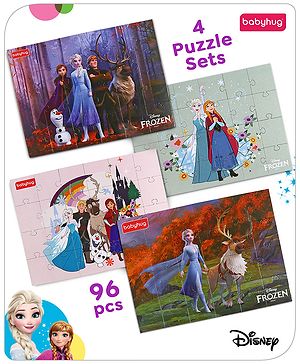
Babyhug Disney 96 pcs 4 in 1 Frozen Princess Jigsaw Puzzle |Montessori Learning and Educational Puzzle for 2-4 Years Kids| Pre-School and Early Learning Gifting Toy| BIS Certified
Regular price₹399.00Regular price ₹222.64Regular priceUnit price per₹399.00Sale price ₹222.64 44% OFFSale
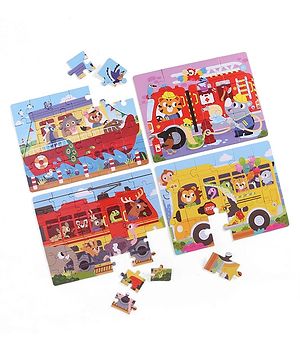
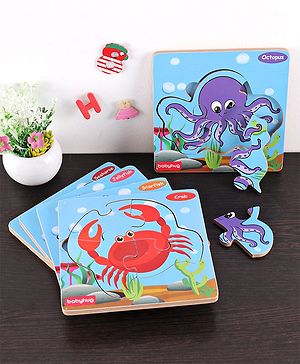
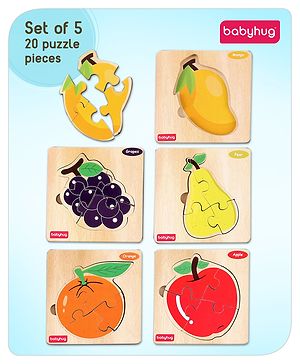
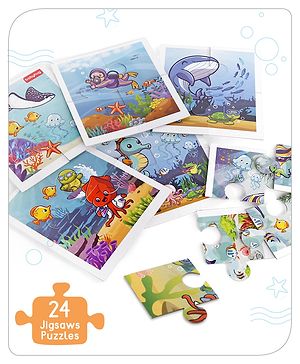
Kids Puzzles for Fun Learning and Skill Development
Kids puzzles are engaging toys that combine entertainment with learning, making them a popular choice for children of all ages. Introducing puzzles during early childhood helps develop important skills such as problem-solving, logical thinking, and hand-eye coordination. Puzzle toys encourage children to think critically while enjoying interactive playtime.
From simple wooden puzzles for toddlers to complex 3D puzzles for older kids, puzzles are designed to match different age groups and learning levels. These toys provide children with an opportunity to explore shapes, colours, patterns, and concepts in a fun and interactive way. Playing with puzzles also helps children build patience and persistence as they work towards completing each challenge.
Types of Kids Puzzles
Jigsaw Puzzles
Jigsaw puzzles are one of the most common types of puzzle toys for kids. These puzzles consist of interlocking pieces that come together to form a complete image. Jigsaw puzzles are available in different difficulty levels, starting with simple puzzles containing a few large pieces for toddlers and progressing to puzzles with many smaller pieces for older children.
3D Puzzles
3D puzzles allow children to build three-dimensional structures such as buildings, landmarks, or objects. These puzzles are ideal for older children who enjoy more challenging activities. Solving 3D puzzles helps improve spatial awareness and critical thinking skills.
Wooden Puzzles
Wooden puzzles are commonly designed for toddlers and younger children. They feature larger pieces that are easier to grasp and are usually made from durable materials. Wooden puzzles often include themes such as animals, alphabets, numbers, or shapes.
Floor Puzzles
Floor puzzles are larger puzzles designed to be assembled on the floor. These puzzles usually include big, colourful pieces and are ideal for group activities or playtime with friends and family.
Puzzle Games
Puzzle games combine traditional puzzles with game elements that require logic and problem-solving skills. These puzzles may include board games, logic puzzles, or activity-based puzzle sets.
Educational Puzzles
Educational puzzles are designed to teach children concepts such as alphabets, numbers, geography, animals, or shapes. These puzzles make learning interactive and enjoyable while supporting early childhood education.
Benefits of Kids Puzzles
Enhances Cognitive Skills
Puzzles help improve memory, logical thinking, and problem-solving abilities. Children learn how pieces fit together while developing critical thinking skills.
Develops Fine Motor Skills
Handling puzzle pieces helps strengthen finger muscles and improves hand-eye coordination, which is important for writing and other daily activities.
Encourages Patience and Persistence
Completing puzzles requires patience and focus. Children learn to keep trying until they successfully solve the puzzle.
Promotes Teamwork
When children work together on puzzles, they practice cooperation and communication skills while achieving a shared goal.
Boosts Confidence
Completing a puzzle gives children a sense of accomplishment, helping improve self-confidence and motivation.
Supports Learning Through Play
Educational puzzles help children learn letters, numbers, animals, and other concepts through fun and interactive activities.
Key Features to Look for in Kids Puzzles
Age Appropriateness
Choosing puzzles that match a child's age and skill level helps ensure the puzzle remains engaging without being too difficult or too easy.
Material Quality
High-quality puzzles made from durable and non-toxic materials ensure safety and long-lasting play.
Puzzle Piece Size
Larger pieces are suitable for toddlers, while older children can handle smaller and more detailed puzzle pieces.
Theme and Design
Puzzles with engaging themes such as animals, vehicles, cartoons, or nature keep children interested and motivated to complete the puzzle.
Complexity Level
Parents can start with simple puzzles and gradually introduce more complex puzzles as the child develops better problem-solving abilities.
Educational Value
Puzzles that include alphabets, numbers, shapes, or geography can support early learning and cognitive development.
Buying Considerations for Kids Puzzles
Age and Skill Level
Parents should choose puzzles that match the child’s developmental stage. Younger children benefit from simple puzzles, while older children may enjoy more challenging designs.
Safety
Puzzle pieces should be large enough to avoid choking hazards and should be made from non-toxic materials suitable for children.
Child’s Interests
Selecting puzzles based on a child’s interests helps maintain engagement. Themes like animals, vehicles, space, or cartoons often attract children’s attention.
Durability
High-quality puzzle materials ensure the toy can withstand frequent handling and repeated use.
Price and Value
Parents should consider quality and educational value while selecting puzzles that fit within their budget.
Reviews and Recommendations
Checking reviews or recommendations from other parents can help identify puzzles that are popular and well-liked by children.
Puzzle Toys by Age Group
Toddlers (1–3 Years)
Toddlers usually enjoy simple puzzles with large wooden pieces, bright colours, and basic shapes. These puzzles help develop early motor skills and recognition abilities.
Preschool Kids (3–5 Years)
Children in this age group can handle puzzles with slightly more pieces and enjoy educational puzzles featuring alphabets, animals, or numbers.
School-Age Kids (5–8 Years)
Kids in this age group often enjoy jigsaw puzzles with more pieces and complex images. These puzzles help improve logical thinking and problem-solving skills.
Older Kids (8+ Years)
Older children may prefer challenging puzzles such as large jigsaw puzzles, 3D puzzles, or logic puzzles that require advanced thinking and patience.
FAQs Asked by Parents Around Kids Puzzle
What age is appropriate for kids to start doing puzzles?
Children as young as one year old can begin solving simple wooden puzzles with large pieces. As they grow older, they can gradually move on to more complex puzzles.
How do puzzles benefit my child’s development?
Puzzles help improve cognitive skills, problem-solving abilities, fine motor skills, and patience while providing an engaging learning activity.
Are wooden puzzles better than cardboard puzzles?
Wooden puzzles are generally more durable and suitable for younger children, while cardboard puzzles are often used for larger and more detailed designs.
How do I choose the right puzzle difficulty for my child?
Parents should start with simpler puzzles and gradually increase difficulty as the child develops stronger problem-solving skills.
Can puzzles be used as educational tools?
Yes, many puzzles are designed to teach concepts such as alphabets, numbers, shapes, and geography while making learning fun.
What should I do if my child loses interest in puzzles?
Choosing puzzles with interesting themes and participating in puzzle activities together can help keep children engaged.
Are digital puzzles as beneficial as physical puzzles?
Digital puzzles can be helpful, but physical puzzles are often better for developing hands-on motor skills and spatial awareness.
How can I store puzzle pieces properly?
Puzzle pieces can be stored in boxes, containers, or resealable bags to keep them organised and prevent pieces from getting lost.
What should I consider when buying a puzzle as a gift?
Parents should consider the child’s age, interests, puzzle difficulty level, and safety features before purchasing.
Can puzzles help children with special learning needs?
Yes, puzzles can support cognitive development and motor skills while allowing children to learn at their own pace.