
Baby Dolls & Dollhouses
 This item is discontinued.
 Explore similar products from our collection.
-
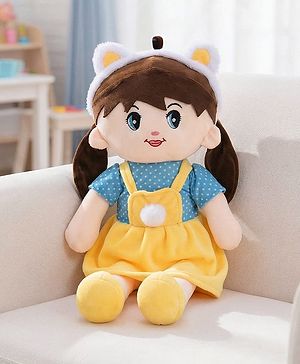
Babyhug 70cm Daisy Doll with Cute Dress & Stitched Shoes - Yellow| Ideal Snuggle Toy| Super Soft Fabric| Cuddle & Travel Partner| Toddler Gifting| BIS Certified| Room & Car Decor
Regular price₹1,299.00Regular price ₹698.99Regular priceUnit price per₹1,299.00Sale price ₹698.99 46% OFFSale -
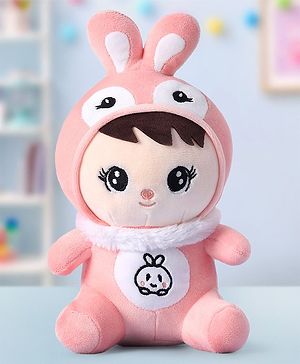
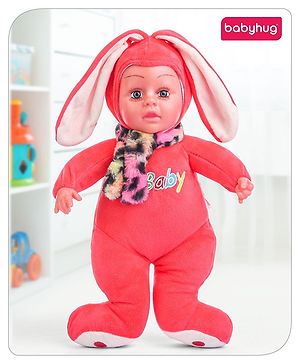
Babyhug Bunny Soft Plush Candy Doll Baby Pink - Height 30 cm
Regular price₹695.00Regular price ₹438.89Regular priceUnit price per₹695.00Sale price ₹438.89 37% OFFSale -
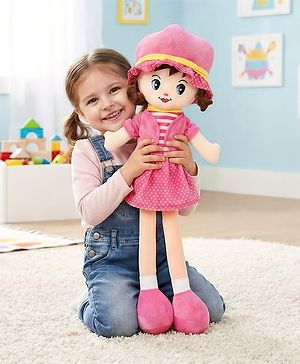
Babyhug Winky Doll with Cute Dress, Matching Hat & Stitched Shoes Height 80 cm - Pink| Ideal Snuggle Toy| Safe & Interactive| Removable Dress| Imaginative Play & Storytelling| BIS Certified
Regular price₹1,399.00Regular price ₹849.05Regular priceUnit price per₹1,399.00Sale price ₹849.05 39% OFFSale -
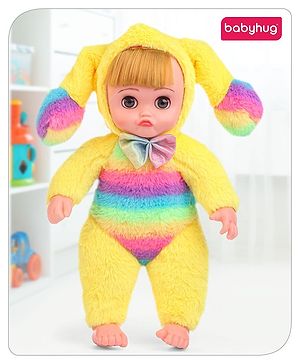
Babyhug Ear Moving Doll with Music - Yellow
Regular price₹1,499.00Regular price ₹1,010.33Regular priceUnit price per₹1,499.00Sale price ₹1,010.33 33% OFFSale -
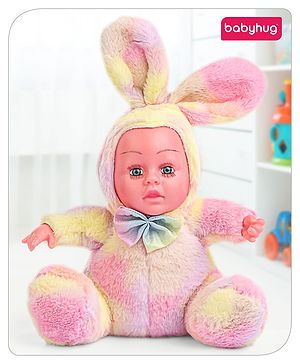
Babyhug Cute Kitten Ear Doll Pink & Yellow - Height 23.5 cm
Regular price₹999.00Regular price ₹691.31Regular priceUnit price per₹999.00Sale price ₹691.31 31% OFFSale -
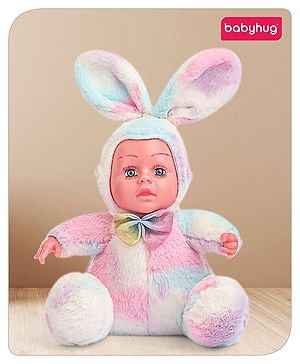
Babyhug Cute Kitten Ear Doll White & Yellow - Height 23.5 cm
Regular price₹999.00Regular price ₹691.31Regular priceUnit price per₹999.00Sale price ₹691.31 31% OFFSale -
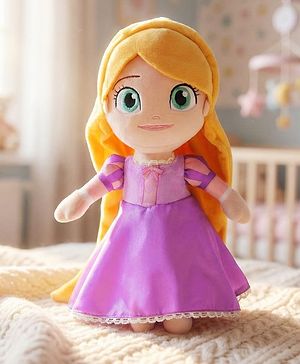
Babyhug Disney Rapunzel Doll 10 Inch Princess Doll for Kids Ideal for Gifting, Imaginative Play & Emotional Development Plush & Soft Lightweight & Perfect for Pretend Play BIS Certified.
Regular price₹1,099.00Regular price ₹598.95Regular priceUnit price per₹1,099.00Sale price ₹598.95 46% OFFSale -
Babyhug Ear Moving Doll with Music - Yellow
Regular price₹1,499.00Regular price ₹1,010.33Regular priceUnit price per₹1,499.00Sale price ₹1,010.33 33% OFFSale -
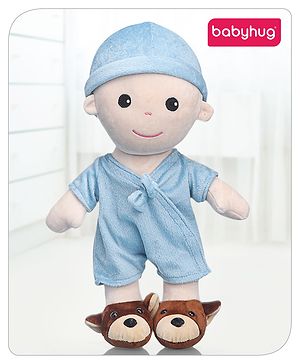
Babyhug Huggable Baby Doll Blue - Height 40 cm
Regular price₹945.00Regular price ₹302.40Regular priceUnit price per₹945.00Sale price ₹302.40 68% OFFSale -
Babyhug Rabbit Standing Doll (Colour may Vary) - Height 35.5 cm
Regular price₹999.00Regular price ₹640.96Regular priceUnit price per₹999.00Sale price ₹640.96 36% OFFSale -
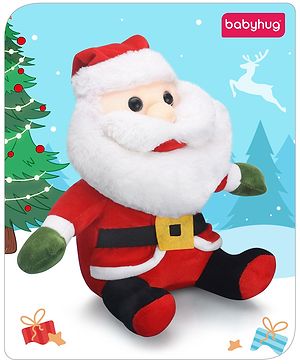
Babyhug Santa Claus Soft Toy Red - Height 20 cm
Regular price₹699.00Regular price ₹327.13Regular priceUnit price per₹699.00Sale price ₹327.13 53% OFFSale -
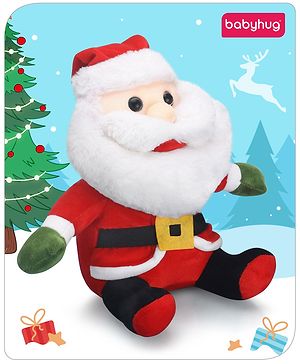
Babyhug Santa Claus Soft Toy Red - Height 30 cm
Regular price₹999.00Regular price ₹467.53Regular priceUnit price per₹999.00Sale price ₹467.53 53% OFFSale
Dolls & Dollhouses for Kids – Creative, Imaginative & Role-Play Fun
Dolls and dollhouses encourage imaginative play, storytelling, emotional expression, and creative role-play. These toys help children explore routines, relationships, communication, and problem-solving through pretend play activities.
Looking for the Best Dolls & Dollhouses for Kids Online in India?
Dolls and dollhouses are more than just toys for kids. They help children explore imagination, storytelling, emotional expression, and role-play through everyday pretend play activities. Whether a child is caring for a baby doll, creating fashion stories, or arranging miniature dollhouse furniture, these play experiences encourage creativity, communication, and independent thinking.
Different types of dolls and dollhouses support different stages of child development. Soft baby dolls are often preferred for toddlers because they encourage nurturing play and emotional bonding, while fashion dolls and character dolls inspire imaginative storytelling and creative role-play. Dollhouses and miniature furniture sets help children build interactive play worlds that improve problem-solving and social interaction skills.
Parents often prefer dolls and dollhouse toys that are:
- Safe and age-appropriate
- Durable for everyday play
- Designed with child-friendly materials
- Helpful for imaginative and social development
- Suitable for independent and group play
The Babyhug Dolls & Dollhouses collection includes a wide range of:
- Baby dolls for nurturing play
- Fashion dolls for creative storytelling
- Character dolls inspired by imaginative adventures
- Dollhouse playsets with furniture and accessories
- Soft dolls for toddlers
- Wooden and plastic dollhouses
- Pretend play accessories for interactive learning
These toys are designed to support creativity, emotional learning, storytelling, role-play, social interaction, and engaging screen-free play experiences for children across different age groups.
Why Are Dolls & Dollhouses Important for Child Development?
Dolls and dollhouses are more than entertainment toys. They support emotional, social, communication, and cognitive development through imaginative role-play.
Encourages Imaginative Play
Children create stories, adventures, and pretend situations that improve creativity and imaginative thinking.
Supports Emotional Development
Caring for dolls helps children understand emotions, empathy, nurturing behaviour, and social interaction.
Improves Communication Skills
Role-playing conversations with dolls encourages storytelling confidence and language development.
Enhances Problem-Solving Skills
Arranging dollhouse furniture and organizing pretend-play situations helps children practice planning and decision-making.
Encourages Independent & Cooperative Play
Children can enjoy dolls independently or engage in collaborative storytelling with siblings and friends.
Are Dolls Good for Child Development?
Yes, dolls and dollhouses support emotional learning, communication skills, creativity, empathy, storytelling, social interaction, and imaginative thinking through pretend play activities.
What Types of Dolls Are Available for Kids?
Different dolls support different styles of imaginative and developmental play.
Baby Dolls
Baby dolls are designed to resemble real babies and often include soft bodies, movable limbs, feeding accessories, and realistic features.
Best for:
- Nurturing play
- Emotional development
- Pretend caregiving
- Toddlers and preschoolers
Why Parents Choose Baby Dolls
Baby dolls help children imitate real-life caregiving routines while encouraging empathy and emotional bonding.
Fashion Dolls
Fashion dolls focus on styling, dress-up play, and imaginative storytelling.
Best for:
- Fashion creativity
- Dress-up play
- Role-play activities
- Creative storytelling
Why Kids Enjoy Fashion Dolls
Children can mix and match outfits, accessories, shoes, and hairstyles while creating imaginative adventures.
Character Dolls
Character dolls represent movie, cartoon, or storybook characters loved by children.
Best for:
- Story recreation
- Character-based adventures
- Imaginative play
- Fans of animated stories
Why Character Dolls Are Popular
Children enjoy recreating favourite scenes or inventing new stories using familiar characters.
What Are Dollhouses Used For?
Dollhouses create miniature play environments where children can arrange rooms, furniture, and dolls creatively.
Benefits of Dollhouse Play
Encourages Storytelling
Children create imaginative family routines, adventures, and pretend-play situations inside dollhouses.
Improves Spatial Awareness
Arranging furniture and organizing rooms supports planning and spatial understanding.
Supports Social Interaction
Shared dollhouse play encourages teamwork and cooperative storytelling.
Improves Organizational Skills
Children learn how to arrange and organize miniature environments creatively.
Are Dollhouses Educational?
Yes, dollhouses help children improve creativity, organization, storytelling, communication, and social interaction through imaginative role-play activities.
What Types of Dollhouses Are Available?
Wooden Dollhouses
Wooden dollhouses are known for durability, premium finishing, and long-lasting quality.
Best for:
- Long-term use
- Durable play
- Premium playrooms
- Multi-child usage
Plastic Dollhouses
Plastic dollhouses are lightweight, colorful, and easier to move or clean.
Best for:
- Everyday play
- Lightweight handling
- Easy maintenance
- Younger children
Portable Dollhouses
Portable dollhouses are compact and easy to carry during travel or storage.
Best for:
- Smaller homes
- Compact storage
- Travel play
- Easy portability
What Is Doll Furniture Used For?
Doll furniture helps children create realistic miniature living spaces inside dollhouses.
Common Doll Furniture Includes:
- Beds
- Sofas
- Dining tables
- Chairs
- Kitchen sets
- Wardrobes
- Bathroom accessories
Why Doll Furniture Improves Playtime
Furniture accessories add realism, customization, creativity, and storytelling possibilities to dollhouse play.
How to Choose the Right Doll or Dollhouse for Your Child
Choosing the right dolls or dollhouses depends on your child’s age, interests, play style, and available play space.
Choose Based on Age
Younger children usually benefit from soft dolls with simple designs, while older kids may enjoy detailed dollhouses and fashion dolls.
Consider Child Interests
Children interested in nurturing play may prefer baby dolls, while children who enjoy storytelling may prefer dollhouses or character dolls.
Check Available Play Space
Large dollhouses require dedicated play areas, while compact portable dollhouses work better in smaller homes.
Look for Safe Materials
Parents should choose toys made using non-toxic and child-safe materials with smooth rounded finishing.
Consider Interactive Features
Movable limbs, opening doors, dress-up accessories, and furniture improve engagement and imaginative play.
Best Dolls for Different Play Styles
Best for Emotional & Nurturing Play
Baby dolls help children practice caregiving and emotional bonding.
Best for Dress-Up & Styling Play
Fashion dolls encourage outfit matching, styling creativity, and role-play.
Best for Storytelling Adventures
Character dolls support imaginative storytelling and pretend scenes.
Best for Shared Group Play
Dollhouses encourage cooperative play and interactive storytelling.
Best for Independent Play
Soft dolls and portable dollhouses support quieter solo play activities.
Best Dolls & Dollhouses by Age Group
| Age Group | Recommended Toys |
|---|---|
| Toddlers | Soft baby dolls |
| Preschoolers | Baby dolls & simple dollhouses |
| 4–6 Years | Fashion dolls & doll furniture |
| 6+ Years | Large dollhouses & character dolls |
Choosing age-appropriate toys improves safety, engagement, and developmental value.
Best Dolls for Toddlers vs Older Kids
Best Dolls for Toddlers
Toddlers usually benefit from soft dolls, lightweight construction, rounded edges, washable materials, and simple accessories. These features improve safety and comfort during everyday play.
Best Dolls for Older Kids
Older children often enjoy fashion dolls, character dolls, detailed dollhouses, doll furniture sets, and interactive accessories that encourage storytelling and creative role-play.
How Pretend Play Helps Child Development
Pretend play helps children understand emotions, relationships, routines, and communication through imagination-based activities.
Improves Creativity
Children create new stories, adventures, and imaginative scenarios independently.
Supports Emotional Intelligence
Pretend caregiving helps children understand empathy and emotional responses.
Builds Social Skills
Role-play activities encourage sharing, communication, and teamwork.
Encourages Independent Thinking
Children make decisions, organize stories, and solve pretend-play challenges creatively.
Educational Benefits of Dollhouse Play
Dollhouse play combines imagination with learning-based activities that support multiple areas of child development.
Supports Storytelling Skills
Children create conversations and sequences that improve narrative thinking.
Improves Organization Skills
Arranging rooms and furniture supports planning and organization abilities.
Encourages Problem Solving
Children experiment with layouts, pretend situations, and role-play decisions.
Helps Develop Communication
Interactive play encourages conversations and social interaction.
Wooden Dollhouses vs Plastic Dollhouses – Which Is Better?
| Feature | Wooden Dollhouses | Plastic Dollhouses |
|---|---|---|
| Durability | Strong and long-lasting | Lightweight and flexible |
| Appearance | Premium and realistic | Bright and colorful |
| Weight | Heavier | Easier to carry |
| Maintenance | Moderate | Easy to clean |
| Best for | Long-term use | Everyday lightweight play |
Wooden dollhouses are preferred for durability, while plastic dollhouses are popular for lightweight handling and colorful designs.
Soft Dolls vs Plastic Dolls – Which Should Parents Choose?
| Feature | Soft Dolls | Plastic Dolls |
|---|---|---|
| Best for | Toddlers | Older children |
| Texture | Soft and cuddly | Structured and durable |
| Safety | Gentle for younger kids | Better for detailed accessories |
| Play Style | Comfort play | Fashion & role-play |
Soft dolls are usually preferred for toddlers, while plastic dolls are more suitable for detailed pretend play.
What Features Should Parents Look for in Dolls & Dollhouses?
Child-Safe Materials
Parents should choose toys made using non-toxic and child-safe materials.
Durable Construction
Strong materials improve long-term durability during frequent play.
Smooth Rounded Edges
Rounded finishing improves safer handling for younger children.
Easy-to-Clean Materials
Washable and wipe-clean surfaces improve hygiene and maintenance.
Age-Appropriate Accessories
Parents should avoid small detachable accessories for younger children.
Interactive Play Features
Movable limbs, opening doors, furniture accessories, and dress-up options improve play engagement.
Quick Buying Checklist for Dolls & Dollhouses
-
Age suitability
Choose dolls and dollhouses designed for your child’s developmental stage and safety needs. -
Child-safe materials
Look for non-toxic and skin-friendly materials suitable for children. -
Rounded edges
Smooth edges help improve safer handling for toddlers and younger kids. -
Durable construction
Strong build quality supports long-term everyday play. -
Washable surfaces
Easy-to-clean materials improve hygiene and maintenance. -
Storage space availability
Consider available room space before buying larger dollhouses. -
Interactive accessories
Furniture, movable parts, and dress-up accessories improve engagement. -
Educational value
Pretend-play toys help support storytelling, creativity, and communication skills. -
Easy maintenance
Simple cleaning and durable materials improve long-term usability. -
Strong build quality
Well-built toys are safer and more durable during regular use.
Why Dolls Still Matter in Modern Play
In today’s digital world, dolls and dollhouses continue to encourage offline imaginative play and reduce excessive screen dependency.
Encourages Screen-Free Play
Pretend-play toys help children stay creatively engaged without digital devices.
Supports Emotional Learning
Children use dolls to understand relationships, routines, and social situations.
Improves Parent-Child Interaction
Role-play activities often encourage family engagement and interactive storytelling.
Helps Build Creativity Naturally
Unlike passive entertainment, dolls encourage active imagination and creative thinking.
Common Mistakes Parents Make While Buying Dolls & Dollhouses
Ignoring Age Recommendations
Small accessories may not be suitable for toddlers.
Choosing Oversized Dollhouses Without Space Planning
Large dollhouses require dedicated storage and play areas.
Prioritizing Looks Over Safety
Parents should check material safety and build quality before appearance.
Buying Fragile Accessories for Younger Kids
Delicate accessories may not withstand rough everyday play.
Ignoring Child Interests
Choosing toys based on child interests improves long-term engagement and play value.
FAQs Asked by Parents Around Dolls & Dollhouses
Are dolls safe for toddlers?
Yes, toddler-friendly dolls are usually designed using soft materials and child-safe features suitable for younger children.
What age is suitable for dollhouses?
Most dollhouses are commonly suitable for children aged three years and above because they may include smaller accessories.
How do dolls help child development?
Dolls support emotional learning, creativity, role-play, storytelling, and communication development.
Are wooden dollhouses better than plastic dollhouses?
Wooden dollhouses are preferred for durability, while plastic dollhouses are lighter and easier to maintain.
Can dolls and dollhouses be educational?
Yes, these toys support storytelling, communication, emotional learning, and imaginative play.
How do I clean dolls and dollhouse toys?
Most dolls and dollhouses can be cleaned using a soft cloth and mild detergent depending on the material.
What should parents check before buying dolls or dollhouses?
Parents should check safety certifications, age suitability, material quality, and accessory size.
Are dollhouses suitable for shared play?
Yes, dollhouses encourage cooperative storytelling and interactive group play.
Which dolls are best for toddlers?
Soft baby dolls with lightweight construction and child-safe materials are commonly preferred for toddlers.
Are dolls good for imaginative play?
Yes, dolls help children create stories, role-play situations, and imaginative adventures that support creativity and emotional expression.