
 This item is discontinued.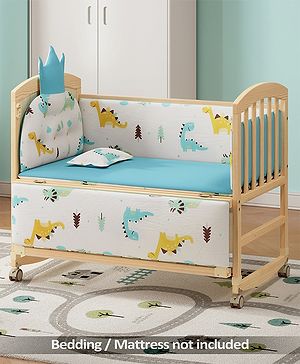
Baby Cots & Cribs for Safe, Comfortable & Peaceful Sleep
Baby cots and cribs are essential nursery furniture designed to provide babies with a safe and comfortable sleeping space. A well-designed baby cot or baby crib helps create a secure sleep environment where infants can rest peacefully throughout the night. Many parents choose baby sleeping cots because they provide dedicated sleeping space while supporting safe sleep routines.
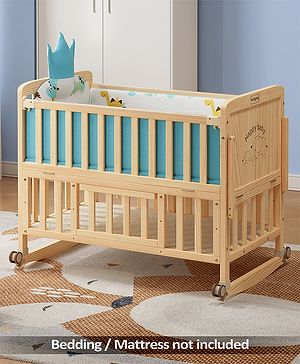
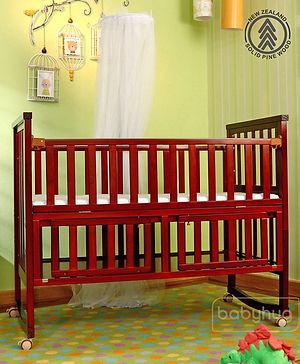
Modern baby cots and cribs are designed with sturdy frames, comfortable mattresses, and protective side rails that help keep babies secure while sleeping. From wooden baby cots to convertible baby cribs, these sleeping solutions are created to support babies during their early months and growing stages.
Parents often prefer baby bed cots and cribs because they help establish consistent sleep routines for infants. With proper design and safety features, baby cots provide both comfort and convenience for everyday nursery use.
Types of Baby Cots & Cribs
Standard Baby Cots
Standard baby cots are traditional sleeping beds designed specifically for infants and toddlers. These cots usually include protective side rails and sturdy frames to ensure babies remain safe while sleeping. A baby cot bed provides a comfortable space where babies can sleep, nap, and relax throughout the day. These cots are often placed in nurseries or bedrooms for convenient access during nighttime care.
Baby Cribs
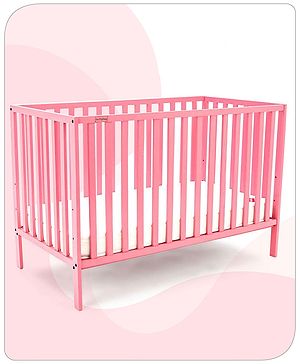
Baby cribs are compact sleeping beds designed for newborns and young infants. Cribs usually feature high side rails and secure frames that help prevent babies from rolling out during sleep. A crib for baby sleeping is commonly used during the first few months because it provides a cozy and protected sleeping environment.
Wooden Baby Cots
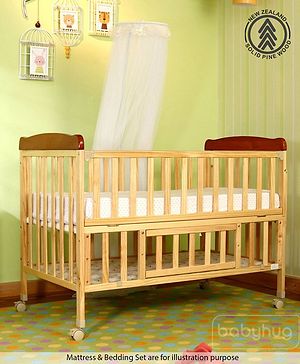
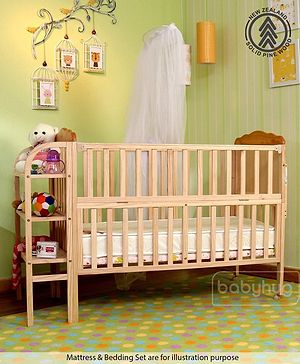
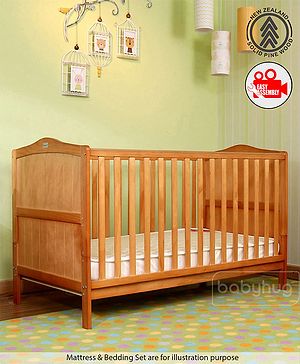
Wooden baby cots are among the most popular nursery furniture options due to their durability and classic design. These cots are made with sturdy wooden frames that provide long-lasting stability. Many parents prefer wooden baby cots because they blend well with nursery décor while providing a safe and strong sleeping structure.
Convertible Baby Cots
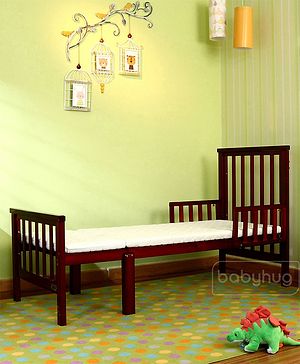
Convertible baby cots are designed to adapt as babies grow. These cots can often be converted into toddler beds or small child beds after the baby outgrows the crib stage. Convertible cots are considered practical furniture because they can be used for a longer period during a child’s early years.
Portable Baby Cots
Portable baby cots are lightweight sleeping beds designed for easy movement and travel. These cots are useful for families who frequently travel or need flexible sleeping arrangements. Portable cots can be easily placed in different rooms, allowing babies to sleep comfortably while parents stay nearby.
Benefits of Baby Cots & Cribs
Provides a Safe Sleeping Environment
Baby cots and cribs are designed with protective side rails and stable frames that help prevent babies from rolling or falling during sleep.
Supports Healthy Sleep Routines
Using a dedicated baby sleeping cot helps babies develop consistent sleep habits and bedtime routines.
Comfortable Space for Rest
Baby bed cots provide a comfortable mattress area that allows babies to rest and sleep peacefully.
Helps Organize Nursery Spaces
Cots and cribs help create a dedicated sleeping area in the nursery, keeping the baby’s sleeping environment organized.
Long-Term Usability
Some baby cots can be converted into toddler beds, making them useful for several years.
Skills & Development Supported by Baby Cots
Sleep Routine Development
A baby crib helps establish consistent sleep patterns, which are important for healthy growth and development.
Sense of Security
A dedicated sleeping cot provides babies with a familiar environment that promotes comfort and emotional security.
Self-Soothing Habits
Babies often learn to settle themselves when placed in a comfortable crib or cot for sleep.
Key Features to Look for in Baby Cots & Cribs
Strong and Stable Frame
A durable frame ensures that the baby cot remains stable and safe during everyday use.
Protective Side Rails
Side rails help prevent babies from rolling out of the cot while sleeping or moving.
Adjustable Mattress Height
Some baby cribs include adjustable mattress heights that allow parents to lower the mattress as the baby grows.
Breathable Design
Proper spacing between crib rails helps maintain airflow around the sleeping baby.
Comfortable Mattress Support
A well-supported mattress base helps ensure babies sleep comfortably throughout the night.
Materials Used in Baby Cots & Cribs
Solid Wood Frames
Many baby cots are made from durable wood materials that provide strong support and long-lasting stability.
Engineered Wood
Some baby cribs use engineered wood panels designed to offer durability while maintaining lightweight construction.
Metal Frames
Certain portable baby cots use metal frames for added strength and foldable designs.
Buying Considerations for Baby Cots & Cribs
Baby’s Age and Growth
Parents should choose cots that match the baby’s current age while allowing space for growth.
Safety Standards
Cots and cribs should meet safety guidelines and include secure rail spacing to protect babies.
Room Space
The size of the cot should fit comfortably within the nursery or bedroom layout.
Ease of Cleaning
Materials that are easy to clean help maintain hygiene in the baby’s sleeping area.
Convertible Features
Convertible cots provide long-term value because they can adapt as the child grows.
Baby Cots & Cribs by Age Group
Newborn Baby Cribs (0–6 Months)
Newborn cribs provide a cozy sleeping environment designed specifically for infants. These cribs often include higher side rails and comfortable mattress bases.
Infant Baby Cots (6–18 Months)
Infant cots provide additional sleeping space as babies grow and begin moving more during sleep.
Toddler Convertible Cots (18 Months+)
Convertible baby cots can transition into toddler beds once the child becomes more active and mobile.
Baby Cots & Cribs for Nursery Comfort
Baby cots and cribs are essential pieces of nursery furniture that help create a comfortable and organized sleeping area for infants. Many parents place baby cots near their beds during the early months to monitor the baby during sleep. A well-chosen baby cot or crib provides babies with a secure and peaceful sleeping environment while helping parents maintain consistent bedtime routines.
FAQs Asked by Parents Around Baby Cots & Cribs
What is the difference between a baby cot and a baby crib?
A baby cot is usually a larger baby bed that can be used for longer periods, while a baby crib is often designed for newborns and younger infants.
At what age can a baby sleep in a crib?
Babies can start sleeping in a crib from birth if the crib meets proper safety standards.
Are wooden baby cots safe for infants?
Yes, wooden baby cots are commonly used because they provide strong support and durability.
How long can babies use a baby cot?
Many babies use cots until they transition to toddler beds, usually around two to three years of age.
What mattress is best for a baby cot?
A firm and well-fitted mattress is recommended for safe baby sleep.
Are convertible baby cots worth buying?
Convertible baby cots can be used longer because they can transform into toddler beds.
How should baby cots be cleaned?
Cots should be cleaned regularly using mild cleaning solutions to maintain hygiene.
Can baby cots be used for newborns?
Yes, baby cots designed with proper mattress height adjustments can be used for newborn babies.
Are portable baby cots suitable for travel?
Portable baby cots are lightweight and designed for easy travel or temporary sleeping arrangements.
What safety features should a baby crib have?
Parents should look for strong frames, safe rail spacing, and stable mattress support.