
Childproofing & Safety
 This item is discontinued.
 Explore similar products from our collection.
-
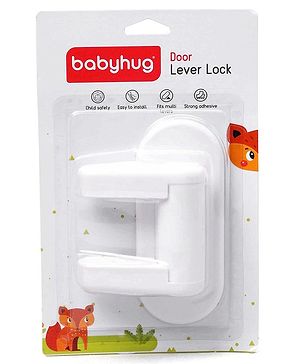
Babyhug Door Lever Lock
Regular price₹245.00Regular price ₹102.90Regular priceUnit price per₹245.00Sale price ₹102.90 58% OFFSale -
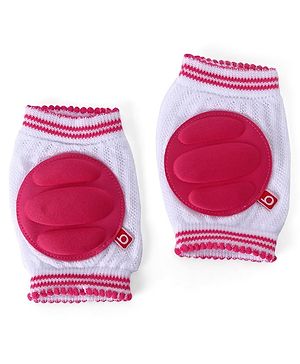
Babyhug Elbow & Knee Protection Pads White Pink (Design May Vary)
Regular price₹195.00Regular price ₹165.75Regular priceUnit price per₹195.00Sale price ₹165.75 15% OFFSale -
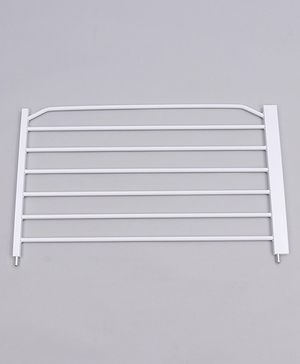
Babyhug Safety Gate Extension - White
Regular price₹1,995.00Regular price ₹837.90Regular priceUnit price per₹1,995.00Sale price ₹837.90 58% OFFSale -
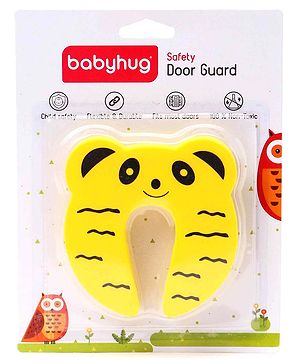
Babyhug Door Stopper - Yellow
Regular price₹195.00Regular price ₹150.15Regular priceUnit price per₹195.00Sale price ₹150.15 23% OFFSale -
Babyhug Baby Knee & Elbow Pads Blue (Design May Vary)
Regular price₹225.00Regular price ₹162.00Regular priceUnit price per₹225.00Sale price ₹162.00 28% OFFSale -
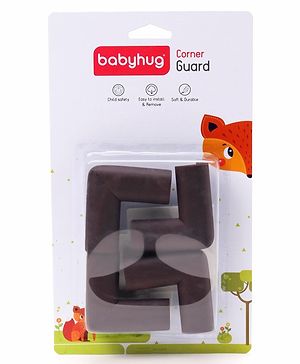
Babyhug Corner Edge Protector Pack Of 4 - Brown
Regular price₹225.00Regular price ₹191.25Regular priceUnit price per₹225.00Sale price ₹191.25 15% OFFSale -
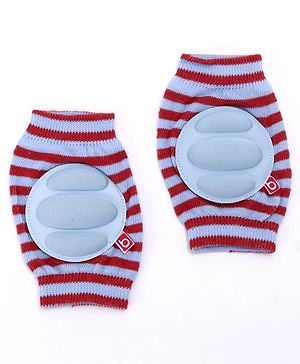
Babyhug Elbow & Knee Protection Pads Blue Red (Design May Vary)
Regular price₹195.00Regular price ₹150.15Regular priceUnit price per₹195.00Sale price ₹150.15 23% OFFSale -
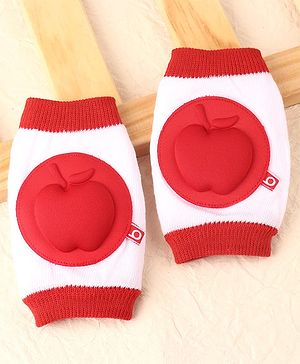
Babyhug Elbow & Knee Protection Pads Red White (Design May Vary)
Regular price₹195.00Regular price ₹165.75Regular priceUnit price per₹195.00Sale price ₹165.75 15% OFFSale -
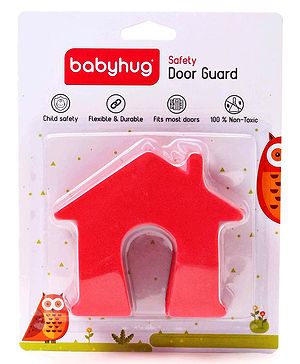
Babyhug EVA House Shape Door Stopper Pack of 2 (Colour May Vary)
Regular price₹195.00Regular price ₹150.15Regular priceUnit price per₹195.00Sale price ₹150.15 23% OFFSale -
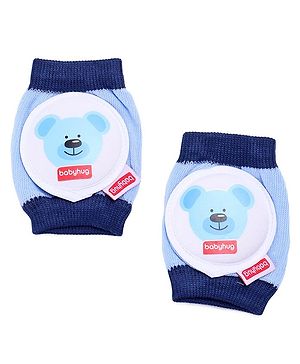
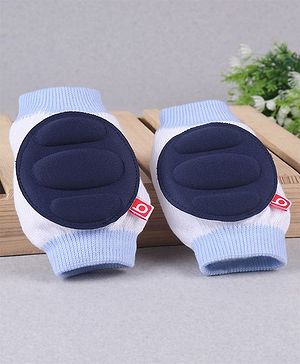
Babyhug Elbow & Knee Protection Pads White and Navy Blue (Design May Vary)
Regular price₹195.00Regular price ₹165.75Regular priceUnit price per₹195.00Sale price ₹165.75 15% OFFSale -
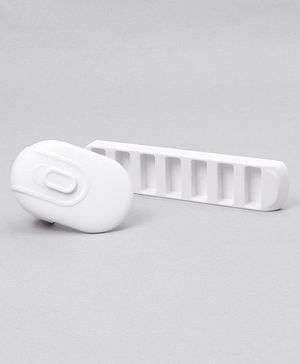
Babyhug Mirror Slide Lock - White
Regular price₹295.00Regular price ₹94.40Regular priceUnit price per₹295.00Sale price ₹94.40 68% OFFSale -
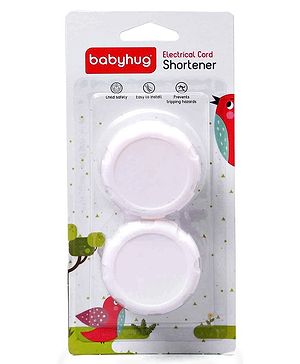
Babyhug Electric Cord Shortener Pack Of 2 - White
Regular price₹195.00Regular price ₹62.40Regular priceUnit price per₹195.00Sale price ₹62.40 68% OFFSale
Childproofing & Safety Products for Babies and Kids – Safer Homes for Everyday Parenting
Childproofing and baby safety products help reduce household injury risks for babies and toddlers by securing unsafe areas, sharp furniture edges, electrical outlets, cabinets, staircases, and slippery surfaces. These products help parents create safer indoor environments while supporting independent exploration and movement.
Looking for the Best Childproofing & Safety Products Online in India?
As babies begin crawling, standing, walking, and exploring independently, everyday household spaces can become unsafe without proper protection. Childproofing products help reduce common household risks while improving indoor safety and peace of mind for parents.
Parents Commonly Search For
- Safety gates for stairs
- Corner guards for furniture
- Cabinet locks for babies
- Socket covers for electrical safety
- Bed rails for toddlers
- Child safety locks for drawers
- Anti-slip bathroom safety products
The Babyhug Childproofing & Safety collection includes:
- Safety gates
- Corner guards
- Cabinet & drawer locks
- Bed rails
- Socket covers
- Edge protectors
- Door stoppers
- Anti-slip products
- Multi-purpose child safety locks
These products are designed for bedrooms, kitchens, bathrooms, staircases, balconies, and living rooms.
Why Are Childproofing Products Important for Babies & Toddlers?
Babies and toddlers naturally explore through touching, climbing, crawling, opening drawers, and moving independently. Childproofing products help reduce everyday household dangers while supporting safer learning and movement.
Helps Prevent Accidental Falls
Safety gates, bed rails, and anti-slip products help reduce staircase falls, slipping accidents, and bed-related injuries.
Restricts Access to Unsafe Areas
Cabinet locks and safety gates help prevent babies from entering kitchens, staircases, balconies, and unsafe storage areas.
Protects Against Sharp Furniture Edges
Corner guards and edge protectors help cushion hard furniture surfaces and reduce accidental bump injuries.
Improves Electrical Safety
Socket covers help block electrical outlets and reduce accidental electric shock risks.
Supports Independent Exploration
Safer indoor spaces help babies crawl, stand, and walk more confidently during developmental stages.
Provides Peace of Mind for Parents
A properly childproofed home helps parents supervise active babies and toddlers more comfortably.
Signs Your Home May Need Childproofing
Parents often start childproofing once babies begin showing curiosity and independent movement.
Common Signs Include:
- Baby has started crawling
- Toddler is opening drawers
- Child is climbing furniture
- Baby is pulling household objects
- Toddler is reaching electrical sockets
- Child is moving near staircases
- Baby is exploring kitchen cabinets
Early childproofing helps reduce avoidable household injuries.
Which Childproofing Products Do Parents Need Most?
| Safety Product | Main Purpose |
|---|---|
| Safety Gates | Restrict unsafe area access |
| Corner Guards | Protect from sharp furniture edges |
| Cabinet Locks | Prevent unsafe storage access |
| Bed Rails | Reduce sleeping fall risks |
| Socket Covers | Improve electrical safety |
| Door Stoppers | Prevent finger injuries |
| Edge Protectors | Cushion hard furniture edges |
| Anti-Slip Mats | Improve bathroom safety |
What Are Baby Safety Gates Used For?
Safety gates help create controlled movement zones for babies and toddlers indoors.
Best for:
- Staircases
- Kitchens
- Hallways
- Balcony entrances
- Restricted rooms
Why Parents Use Safety Gates
Helps Reduce Staircase Fall Risks
Safety gates help block unsupervised access to stairs and elevated spaces.
Supports Safer Crawling & Walking
Babies can move more safely within supervised indoor areas.
Useful for Open Home Layouts
Safety gates work especially well in open kitchens and connected living spaces.
Creates Safe Play Zones
Parents can create safer movement areas for babies and toddlers indoors.
Why Are Corner Guards Important for Babies?
Corner guards help cushion sharp furniture edges and reduce accidental injury risks during crawling and walking stages.
Commonly Used On:
- Tables
- TV units
- Shelves
- Beds
- Cabinets
Benefits of Corner Guards
Helps Reduce Forehead Injuries
Soft cushioning helps reduce impact during falls and accidental bumps.
Improves Indoor Safety
Corner protection supports safer movement around furniture-heavy areas.
Easy to Install
Most corner guards use adhesive systems for quick installation.
Useful for Active Toddlers
They help improve safety during active movement and climbing stages.
What Are Cabinet & Drawer Locks Used For?
Cabinet and drawer locks help prevent children from accessing harmful household items.
Helps Restrict Access To:
- Medicines
- Cleaning products
- Sharp kitchen tools
- Glass items
- Choking hazards
Benefits of Cabinet Locks
Improves Kitchen Safety
Locks help secure harmful kitchen tools and chemicals.
Helps Prevent Unsafe Exploration
Restricted storage access reduces household injury risks.
Easy for Adults to Operate
Modern locks are designed for convenient parent usage.
Useful Across Multiple Rooms
Cabinet locks work in kitchens, bathrooms, and bedrooms.
Why Are Bed Rails Useful for Toddlers?
Bed rails help reduce sleeping fall risks during the transition from cribs to regular beds.
Best for:
- Active sleepers
- Toddler bed transitions
- Co-sleeping setups
Benefits of Bed Rails
Helps Improve Sleep Safety
Bed rails create safer sleeping boundaries for toddlers.
Reduces Nighttime Falls
Protective side barriers help prevent accidental rolling.
Supports Crib-to-Bed Transition
Bed rails help toddlers adjust comfortably to regular beds.
Easy to Attach & Remove
Most bed rails support quick installation and removal.
What Are Socket Covers Used For?
Socket covers help improve electrical safety for crawling babies and toddlers.
Benefits of Socket Covers
Prevents Direct Electrical Access
Socket covers block babies from inserting fingers or objects into outlets.
Improves Everyday Indoor Safety
Electrical outlet protection supports safer movement indoors.
Easy Installation
Most socket covers fit easily without tools.
Suitable for Multiple Rooms
They work well in bedrooms, playrooms, and living spaces.
What Are Baby Safety Helmets Used For?
Baby safety helmets, also called baby head protector helmets, are designed to help cushion accidental head bumps and minor falls during crawling, standing, and walking stages. These soft protective helmets help reduce impact while babies learn balance and movement indoors.
Why Do Parents Use Baby Safety Helmets?
Helps Protect During Walking Practice
Babies learning to stand and walk may lose balance frequently. Safety helmets help cushion minor head impacts during early movement stages.
Supports Safer Crawling & Exploration
Head protector helmets help improve safety while babies explore furniture, walls, and indoor spaces independently.
Useful for Active Babies
Active babies who move frequently around hard furniture and flooring may benefit from additional head protection support.
Lightweight & Comfortable Design
Most baby safety helmets are designed using soft, lightweight, and breathable materials for comfortable daily use.
What Features Should Parents Look for in a Baby Safety Helmet?
- Soft impact cushioning
- Lightweight construction
- Adjustable head fitting
- Breathable fabric materials
- Wide head coverage
- Comfortable chin support
- Washable fabric design
- Baby-safe non-toxic materials
When Are Baby Safety Helmets Most Useful?
- During crawling stages
- While learning to walk
- For active toddlers
- On hard flooring surfaces
- Around furniture-heavy spaces
- During indoor play activities
Baby safety helmets work best as supportive protective accessories alongside proper home childproofing solutions like corner guards, safety gates, and edge protectors.
Which Childproofing Products Are Best for Different Rooms?
| Room | Recommended Products |
|---|---|
| Kitchen | Cabinet locks, drawer locks, corner guards |
| Bathroom | Anti-slip mats, toilet locks |
| Bedroom | Bed rails, corner guards |
| Living Room | Edge protectors, socket covers |
| Staircases | Safety gates |
| Balcony | Safety gates & locks |
Different household spaces contain different risks, so room-by-room childproofing improves overall home safety.
Best Childproofing Products by Age Group
| Age Group | Recommended Products |
|---|---|
| 6–12 Months | Socket covers, corner guards, safety gates |
| 1–2 Years | Cabinet locks, door stoppers, bed rails |
| Toddlers | Safety gates, anti-slip mats, multi-purpose locks |
Choosing products based on developmental stage improves overall safety effectiveness.
Magnetic Locks vs Adhesive Locks – Which Is Better?
| Feature | Magnetic Locks | Adhesive Locks |
|---|---|---|
| Best for | Premium setups | Rental homes |
| Installation | Hidden fitting | Easy adhesive setup |
| Appearance | Cleaner look | Visible lock design |
| Removal | More permanent | Easier removal |
Magnetic locks are often preferred for cleaner aesthetics, while adhesive locks are popular for quick installation and flexible usage.
Foam Corner Guards vs Silicone Corner Guards
| Feature | Foam Guards | Silicone Guards |
|---|---|---|
| Cushioning | Softer cushioning | Firmer protection |
| Durability | Moderate | Long-lasting |
| Appearance | Simple finish | Premium transparent finish |
| Best for | Budget setups | Long-term use |
Foam guards are useful for basic setups, while silicone guards are commonly preferred for durability and premium appearance.
Budget vs Premium Childproofing Products
Budget-Friendly Safety Products
Good for:
- Basic home safety
- Small apartments
- Temporary setups
Usually include:
- Basic cabinet locks
- Foam corner guards
- Standard adhesive fittings
Budget-friendly childproofing products are suitable for everyday safety needs and smaller household setups.
Premium Childproofing Products
Good for:
- Larger homes
- Long-term usage
- Advanced safety needs
Usually include:
- Better locking systems
- Stronger materials
- Enhanced durability
- Advanced safety designs
Premium safety products are designed for stronger protection, long-term reliability, and heavy everyday usage.
Why Is Room-by-Room Childproofing Important?
Different household spaces contain different safety risks for babies and toddlers. Room-by-room childproofing helps parents identify hidden dangers more effectively and improve overall home safety.
Kitchen Safety
Kitchens contain sharp tools, hot surfaces, and cleaning chemicals that require cabinet locks and restricted access systems.
Bathroom Safety
Bathrooms often require anti-slip products and secure storage for medicines, toiletries, and cleaning products.
Staircase Safety
Safety gates help reduce climbing and falling risks around staircases and elevated areas.
Living Room Safety
Edge protectors and socket covers improve safer movement in active family spaces where babies crawl and walk frequently.
Bedroom Safety
Bed rails and corner guards help support safer sleeping and indoor movement for toddlers.
How Do Childproofing Products Support Independent Exploration?
Babies and toddlers learn through movement, touching, and exploration. Childproofing products help create safer environments that support healthy physical and cognitive development.
Supports Safer Crawling
Floor-level safety products help babies move more confidently during crawling stages.
Encourages Independent Walking
Safer surroundings improve balance, mobility, and walking confidence.
Helps Reduce Everyday Injuries
Childproofing products help minimize avoidable household accidents during active movement.
Improves Parent Supervision
Parents can supervise active toddlers more comfortably in safer indoor environments.
Common Mistakes Parents Make While Childproofing Homes
Ignoring Electrical Outlets
Uncovered sockets increase electrical safety risks for crawling babies and toddlers.
Leaving Drawers Unsecured
Accessible drawers may contain harmful objects, medicines, or sharp tools.
Delaying Childproofing
Late installation increases avoidable household injury risks during early movement stages.
Ignoring Furniture Edges
Sharp furniture corners increase bump and impact injury risks.
Not Securing Staircases
Open staircase access increases falling risks for toddlers and active babies.
Ignoring Bathroom Safety
Wet bathroom floors increase slipping risks without anti-slip protection.
Quick Childproofing Buying Checklist
-
Safety-Certified Materials
Choose childproofing products made using baby-safe and non-toxic materials for safer everyday use. -
Strong Adhesive Quality
High-quality adhesive systems improve stability and help products remain securely attached. -
Non-Toxic Construction
Non-toxic materials help reduce exposure to harmful chemicals during daily contact. -
Easy Installation
Simple installation systems help parents childproof important areas quickly and conveniently. -
Child-Resistant Locks
Strong locking systems help prevent babies and toddlers from opening unsafe storage spaces. -
Smooth Rounded Finishing
Rounded edges and soft cushioning help reduce accidental impact injuries. -
Durable Build Quality
Durable construction supports long-term everyday usage and active toddler movement. -
Secure Fitting Support
Proper fitting improves product stability and safety performance. -
Suitable Room Compatibility
Different safety products work better in kitchens, bedrooms, bathrooms, and staircases. -
Easy Adult Access
Safety products should remain convenient for adults while restricting child access.
FAQs Asked by Parents Around Childproofing & Safely
What are childproofing products used for?
Childproofing products help improve home safety for babies and toddlers by reducing access to unsafe household areas and objects.
When should parents start childproofing the home?
Most parents begin childproofing once babies start crawling or showing signs of independent movement.
Are safety gates necessary for homes with stairs?
Yes, safety gates help reduce fall risks and restrict staircase access for babies and toddlers.
What are corner guards used for?
Corner guards help cushion sharp furniture edges and reduce accidental injury risks.
Why are cabinet locks important for babies?
Cabinet locks help prevent access to medicines, cleaning products, sharp objects, and unsafe household items.
Are socket covers important for baby safety?
Yes, socket covers help block electrical outlets and reduce accidental electric shock risks.
What are bed rails used for?
Bed rails help reduce the risk of children falling from beds during sleep.
Which childproofing products are best for toddlers?
Safety gates, bed rails, cabinet locks, anti-slip products, and door stoppers are commonly recommended for toddlers.
Are adhesive childproofing products easy to install?
Most modern childproofing products are designed for quick installation using strong adhesive systems.
Which rooms should parents childproof first?
Parents commonly prioritize kitchens, staircases, bathrooms, bedrooms, and living rooms while childproofing homes.
At what age should parents start childproofing the house?
Most parents begin childproofing once babies start crawling, usually around 6–9 months of age.
Are safety gates necessary for toddlers?
Yes, safety gates help restrict access to unsafe areas like staircases, kitchens, and balconies.
Do corner guards really help prevent injuries?
Yes, corner guards help soften sharp furniture edges and reduce impact injuries during falls or movement.
Which childproofing products are most important?
Safety gates, cabinet locks, socket covers, and corner guards are among the most commonly used child safety products.
Are adhesive childproofing products safe for furniture?
Most modern childproofing products are designed with furniture-safe adhesives for easier installation and removal.
How do cabinet locks improve child safety?
Cabinet locks help prevent children from accessing medicines, sharp tools, cleaning liquids, and unsafe household items.
Are bed rails necessary for toddlers?
Bed rails are commonly used to reduce fall risks when toddlers transition from cribs to regular beds.
Which rooms should parents childproof first?
Kitchens, staircases, bathrooms, bedrooms, and living rooms are usually the highest-priority areas for childproofing.
How often should parents check childproofing products?
Parents should regularly inspect locks, gates, adhesives, and safety fittings to ensure proper functionality.
Can childproofing products damage furniture?
Most modern products are designed for minimal surface damage when installed and removed correctly.